Most of us have been carefully watching the weather all winter. Whether it was snow and freezing temperatures dipping deep into the south, the series of snow/sleet/ice events across the mid-west and northeast or the winds that fueled wild fires on the west coast, the weather impacts everything we do.
The weather also impacted the fighting during World War II. Forecasting helped with planning, but it didn’t change the weather. All the armed forces had to endure the weather while trying to achieve their goals.
The most famous military operation impacted by the weather was the D-Day invasion of Europe. Originally planned for June 5, 1944, to take advantage of the favorable tides, bad weather made chances of success unlikely. General Eisenhower, Supreme Commander, ordered a one day delay. Why only one day? The weather forecasters told him that there would be a break in the storm which would allow the invasion to take place. The Germans didn’t know about the possible break in the weather due to their limited weather information so they did not expect the invasion at that time. .

Another famous battle impacted by the weather was the Battle of the Bulge. Imagine being a soldier fighting in snow and freezing conditions. In the winter of 1944-45 Hitler’s attack surprised the Allies. Both sides fought in freezing temperatures and feet of snow. Ice and snow made roads near impassible. Armored vehicles slid on the ice, despite their tracks. Thick clouds blanketed the area preventing any air operations.
At the center of the “bulge” sat Bastogne, a cross-roads town the Germans needed. As the Germans surrounded the town and its American defenders, the weather prevented resupply of food and ammunition. Despite the freezing, overcast conditions and lack of air support, the Americans held out. When the sky finally cleared, Allied planes dropped much needed supplies and the siege was over.
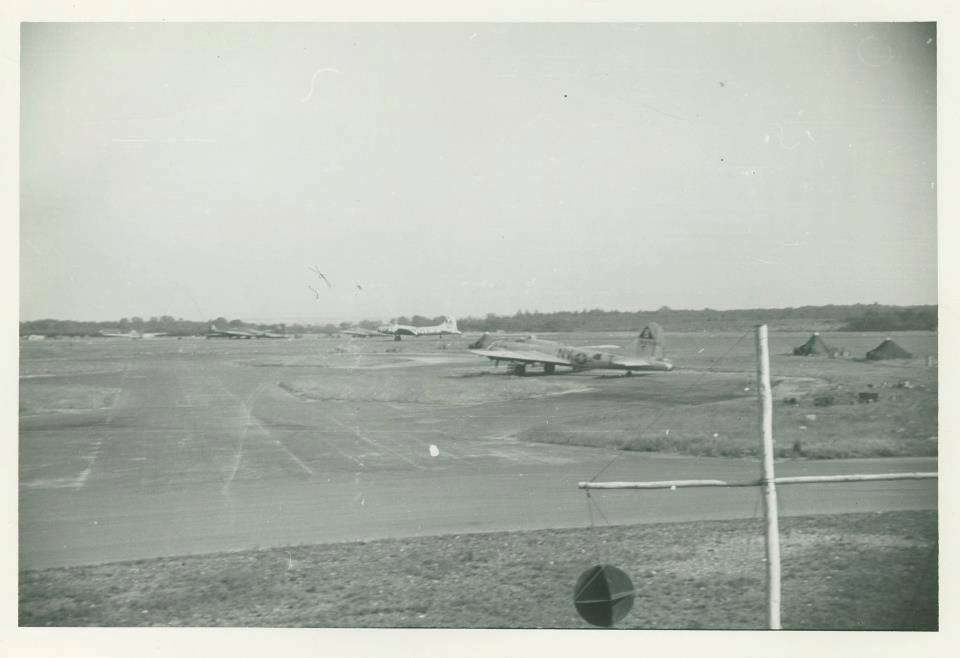
Weather, both over England and over Europe, impacted operations of the Eighth Air Force in England. Bad weather over England grounded them and over Europe blocked their view of their planned targets.
Let’s not forget the war in the Pacific. The battle for the Aleutian Islands, part of the American territory of Alaska, lasted from June, 1942, when the Japanese captured Attu and Kiska islands, until August, 1943, when the Americans and Canadians recaptured them. Severe storms halted operations on the sea, in the air and on the ground. Fog and low clouds interfered with air navigation, targeting and reconnaissance. Sudden powerful wind gusts called “Williwaws” disrupted air operations. Rough seas and storms impacted naval operations for both sides, affecting resupply and troop transport. The rough terrain and terrible weather made land operations very difficult. The severe cold caused many casualties from frost bite and pneumonia.

During the Allied invasion of the Philippines in December 1944, Typhoon Cobra almost destroyed Admiral Halsey’s task force. Halsey had incorrect information so did not attempt to evade the storm. The typhoon strengthened and headed straight toward the Americans. The 140 mph winds and accompanying waves wrecked havoc on the Navy. Three destroyers sank and nine other ships were badly damaged. Waves swept airplanes from the decks of aircraft carriers. A total of 790 sailors died.

War causes havoc with untold damage and loss of lives. Fighting the weather makes it worse. Although we have progressed in weather forecasting, the weather will continue to impact our lives.


















 .
.







 Barbara Whitaker