Company Commander by Charles B. MacDonald

I’m a writer. So when I read a memoir or a historical account I’m always looking for something I can use in my writing. Sometimes it’s a story idea. Sometimes it’s how the person reacts to the situation. Sometimes it’s how two people meet. And sometimes it’s very specific details of the combat experience that can be used to recreate a realistic combat scene in a story.Company Commander book cover
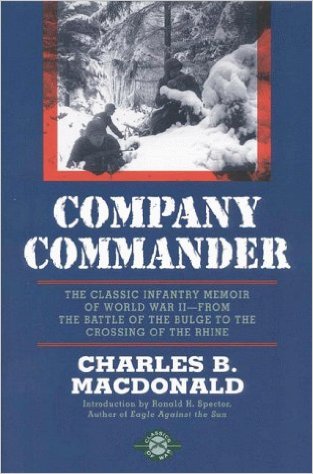
In reading Company Commander by Charles B. MacDonald I discovered incredibly rich detail about his combat experience. In addition to detailed descriptions of terrain, weather and military procedures, MacDonald relayed his feelings during each episode, not just saying “I was frightened,” but saying “My body began to shake uncontrollably. My voice trembled despite my efforts to control it.” These realistic and vivid descriptions are all through the book.

Captain MacDonald joined I Company, 23rd Infantry Regiment, 2nd Infantry Division in September, 1944, as a replacement Company Commander just after they had captured Brest on the French coast. Almost immediately they were loaded in French forty-and-eight freight cars and transported across France to Longuyon. From there they convoyed by truck to Belgium where they relieved elements of the 28th Division along the Siegfried Line near St.Vith.  Along the way MacDonald got to know his more experienced men, both his platoon leaders and the men who would man his Command Post, and worried about gaining their acceptance.

MacDonald describes the procedure of taking over the positions including the guides assigned to walk them to their positions, the discussion with the Company Commander he was relieving, and an account of the defensive positions themselves. My writer’s eye marveled at the detailed description of the interior of the pillbox used as their command post, at the explanations of the deployment of his men, at his impressions of how the combat veterans accepted their new, twenty-two-year-old, inexperienced captain who felt so insecure in his first combat experience. Then later, during German attacks, he describes the process of communicating with the battalion to call in artillery fire to protect the riflemen in forward foxholes and the problems with broken phone lines and dying radio batteries at critical times.

The book follows MacDonald’s journey from the pill boxes on the Siegfried Line on to other defensive positions along the Belgium-German border as the autumn progressed and the weather deteriorated. In early December, the 2nd Division was ordered further north for an offensive against the Roer River dams. They were relieved by the 106th Division, newly arrived from the U.S. MacDonald describes them as “equipped with the maze of equipment that only replacements fresh from the States would have dared to call their own… and horror of horrors, they were wearing neckties!”  The 106th took over positions in the proximity of St. Vith, Belgium, on December 11, just five days before the German offensive known as the Battle of the Bulge would begin.

The 23rd’s new positions were located in “a giant fir forest” where they de-trucked “half-frozen from a five-hour nightmare of cold, snow and hazardous blackout driving.” They were greeted by “a foot of frozen whiteness covering the ground.” They then hiked a mile along an icy highway, crossed a small, icy stream and up-hill on a one-way trail to a point in the snow-covered forest designated as their new home. MacDonald said “I felt like crying.” This was a far cry from the comforts of their last positions. Yet their kitchen truck was able to follow them and provide a hot breakfast.

After word filtered in about a German attack, MacDonald tells of his meeting at battalion headquarters where he received orders to move to an assembly area in support of the 99th Division whose area had been penetrated. “We would take blanket rolls, three meals of K-rations and packs.” These scenes of meetings with commanding officers and discussions of details about deploying his men on short notice along with his anxiety about going on the offensive after only defensive action bring the reader into the moment. And they help me as a writer, and non-military person, visualize the situation.

I Company would go on to frantically try to hold their assigned positions against the German onslaught and ultimately have to scatter and withdraw. In the mêlée MacDonald is wounded and berates himself for not holding while worrying about his men who he can’t account for.  Again the reader is right with them.

In March, after recovering from his wounds and receiving a medal, MacDonald is reassigned to Company G as the Americans push into Germany and cross the Rhine. He recounts the anxiety as they enter each German village never knowing whether they would meet gunfire, surrendering German soldiers or gawking civilians. More than once large anti-aircraft guns fired at them as a few Germans tried to desperately fight on.

MacDonald had an extraordinary memory to be able to recall so many details included in the book, written in 1947, three years after the events. It was not surprising to learn that MacDonald became a military historian after the war. He wrote two of the U.S. Army’s official histories of the European campaign.

I’ll mention what I thought was an interesting tidbit. MacDonald mentions many men by name along with their hometowns. At one point he mentions meeting Captain John M. Calhoun of Athens, Tennessee, who was then commander of F Company 23rd Regiment. Knowing that Athens, Tenn. was the headquarters of B Company, 117th Regiment, 30th Infantry Division when they were federalized in 1940, I went to their history which lists all the members of B Company at the time of federalization. Sure enough, John M. Calhoun was listed as a Private First Class. The B Company history states that in 1942 twenty-two of its enlisted men were sent to Officers Training School. Captain Calhoun was apparently one of those and he ended up in the 2nd Division as a Company Commander.
117th Regiment 30th Infantry Division – Siegfried Line to Aachen

Many historical accounts or discussions about the Second World War in Europe skim over the events of the fall of 1944. They focus on the D-Day Landings and the battle in Normandy. Next comes the liberation of Paris and the race across France to the German border. From there they jump to the Battle of the Bulge and cover the terrible winter of 1944-45. Yet from the first of October through mid-December, 1944, intense battles raged all along the German border.

Until my husband got me interested in researching the 30th Infantry Division, I knew little about the fight to breach the Siegfried Line. I had heard of Aachen but didn’t really understand what happened there or its significance. So in this post, I will continue my discussion of the 30th Division’s combat experiences beginning where I left them along the infamous Siegfried Line not far from the historic city of Aachen.

30th Infantry Division Patch

At the beginning of October, 1944, the 30th Infantry Division faced the German border from southernmost Holland only a few miles from Belgium. Before them lay a section of what the Germans called the West Wall, a series of pill boxes, trenches, tank traps and dragon’s teeth built in the 1930’s to defend Germany from the French. The West Wall, also known as the Siegfried Line, was intended to provide a defensive position from which the Germans would attack, rather than fortifications to defend like the French Maginot Line.

After the German invasion of France, Belgium and Holland, the Third Reich no longer needed the West Wall defenses, so they stood unused and neglected. But when the Germans rapidly withdrew to their borders in the summer of 1944, the Wehrmacht again occupied the West Wall fortifications. They quickly repaired and reinforced the last line of defense of their homeland. In the area around Aachen the West Wall extended from the north around both the eastern and western sides of the ancient city.

Aachen held great significance as a symbol of German supremacy. The city had been Charlemagne’s capital during the time of the Holy Roman Empire or the “First Reich.” Determined to hold the city, Hitler and his henchmen moved more troops into the area for its defense. On the other side, the Allies were just as determined to make Aachen the first German city captured.

In the last half of September the 1st Infantry Division and the 3rd Armored Division crossed into Germany from Belgium south of Aachen and attacked through a gap in the West Wall fortifications. By the end of September they reached the southern edge of the city, but determined German resistance brought them to a stand-still. To relieve the pressure on the forces of VII Corps the XIX Corps attacked from the north through the heavily fortified Siegfried Line or West Wall. The 30th Infantry Division led the way followed by the 2nd Armored Division while the 29th Infantry Division guarded their flanks.

On October 2, 1944, the 117th and 119th Regiments of the 30th launched the attack. The 117th on the left attacked through Marienberg while the 119th on the right went through Rimburg. The Americans crossed the Wurm River under heavy German fire. After crossing the narrow, steep-banked stream, they climbed up to the railroad track just beyond. Ahead lay the numerous pill boxes of the Siegfried Line. One by one the 30th captured or destroyed the German fortifications which were barely touched by the pre-attack bombing. Old Hickory sharpshooters took out numerous German machine gunners by firing through the narrow pillbox ports. On October 3rd the 117th took Palenberg and controlled much of Ubach. By October 7th the 117th occupied much of the city of Alsdorf opening the way to Aachen.

The 2nd Armored Division followed the 30th’s initial attack and swept north and east to Frelenberg and Beggendorf expanding the bridgehead into Germany. With their objectives met the 30th and 2nd Armored hoped for a break to rest and regroup. It was not to be. XIX Corps and VII Corps wanted to press on and link up thus surrounding Aachen and forcing its surrender. So Old Hickory pressed on southward to Wurselen where the intense German resistance halted their progress. Both sides utilized everything they had from artillery barrages to bombing to tanks and anti-tanks to house-to-house fighting.
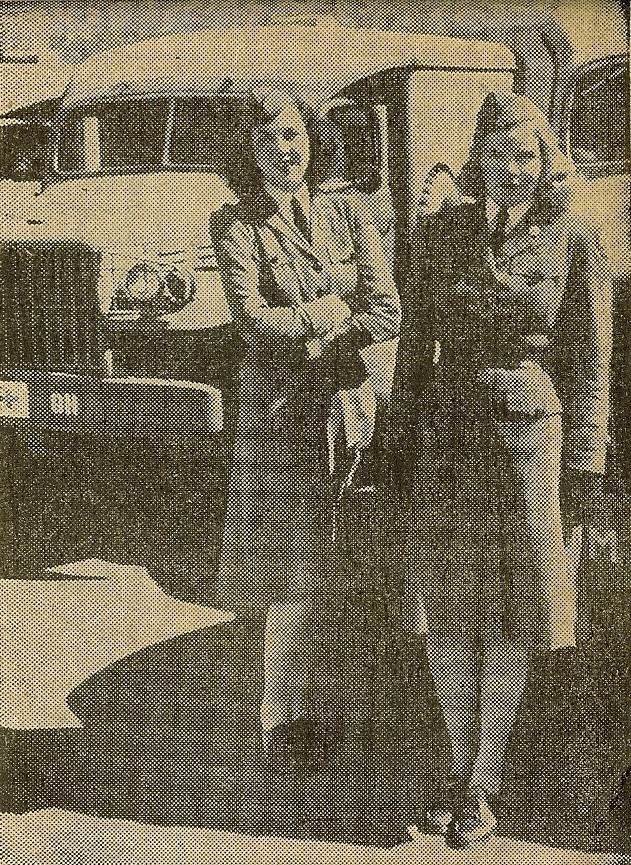
Meanwhile the 1st Division fought off repeated counter attacks to hold on to the ground already taken. On Oct. 8th the First Division began an offensive to take the high ground southwest of Aachen including a high point dubbed “Crucifix Hill,” where they were to link up with the 30th Division.

To break up the 30th’s stalemate, on Oct. 16th the 117th and the 120th Regiments undertook a diversionary attack east of the main force which successfully drew the German artillery fire away from the 119th and 116th Regiments. That afternoon Company E 117th Regiment attacked through a wooded area held by the Germans toward a railroad. The intent was to convince the enemy that it was the main attack. Despite heavy casualties the 117th repeatedly attacked the German forces successfully diverting them away from the 119th pushing south toward the 1st Division positions.

Elements of the 30th from XIX Corp and the 1st from VII Corp finally linked up on October 16th. Street fighting continued in Aachen for another week. Finally, on October 21st, the last garrison in Aachen surrendered.

From the kickoff on October 2 to the final surrender of Aachen the 30th Infantry Division suffered approximately 3,000 casualties. Few of the old National guardsmen remained. Not many who landed with the Division on Omaha Beach were still with the division. Some who had been wounded along the way and sent to hospitals to recover would rejoin the 30th in later battles. Despite the turnover in personnel the 30th Infantry Division proved to be a formidable force in Europe. For their “Diversionary attack in the Battle of Aachen Gap” Company E, 117th Infantry Regiment received a Presidential Citation.

The first breach of the Siegfried Line and the battle to capture the first German city, Aachen, in October gave the Allies hope that the war could be won by Christmas. Little did they know what Hitler had planned.

Read more about the battle for Aachen on the following sites:

https://en.wikipedia.org/wiki/Battle_of_Aachen

http://www.history.army.mil/books/wwii/Siegfried/Siegfried%20Line/siegfried-ch13.htm

http://www.oldhickory30th.com/Aachen%20Gap%20Closing.htm

In Memory of Pfc. Herman E. Connell, Jr. – Killed in Action March 6, 1945

In honor of Memorial Day I decided to write about my cousin who was killed in action during the Second World War. So many Americans died in that war, over 400,000 gave their lives. Another 670,000 were wounded. The war touched nearly every family in the country. My family was no different.Herman Connell Jr Grave Marker

Pfc. Herman E. Connell Jr. was my father’s first cousin, his mother’s sister’s boy. Herman Jr. was born March 2, 1926. He turned eighteen in March 1944. Only four days after his nineteenth birthday, on March 6, 1945, Herman E. Connell, Jr., died – killed fighting the Germans.

According to Ancestry.com, he enlisted in the Army on June 6, 1944. Did he know about the Normandy invasion that took place the same day? It was front page news and broadcast on radio across the country. Perhaps that spurred him to join the Army. Or maybe he knew he would be drafted and decided to go ahead and enlist. We will never know. What I do know is that Herman Jr. enlisted and reported to Fort Benjamin Harrison in Indiana for training.

Herman Jr. was the only son of Herman E. and Hattie L. (Roby) Connell. His only sister, Elizabeth, was four years his senior. Although the 1940 Census shows their residence as Paris, Henry County, Tennessee, Herman Jr.’s enlistment record states that his place of residence in 1944 was Warren County, Kentucky. The county seat is Bowling Green. At that time Bowling Green was just a train ride up the L&N Railroad toward the northeast from Paris, Tennessee. Since his father, Herman Sr. worked as a brakeman on the railroad, it makes sense to me that Herman Jr. would have traveled to Bowling Green to find work.

I have fond memories of visiting Aunt Hat and Uncle Herman in Paris, along with Elizabeth, her husband Milton, and their two sons Randy and Donnie. I vaguely remember a photo of a soldier and being told he had been killed in the war. Years later I found myself wondering what happened to him.

Unfortunately many of the service records for World War II veterans were lost in a fire. I found his name listed on the U.S. Roster of War Dead. The only information given there is his name, rank and serial number. Thanks to someone who photographed Herman Jr.’s grave marker and uploaded it to Findagrave.com, we know that when he died he was with Company L, 310th Infantry, 78th Division. I don’t know where he received his training after Fort Benjamin Harrison. I don’t know when he shipped out to Europe or when he was assigned to the 78th Division. After the war my father made some inquiries about Herman Jr. for his parents. I remember my father saying that Herman Jr. was in a group of replacements needed because so many men were being killed and wounded.

The information on Herman’s grave marker gave me a starting point to search for where his Company and Regiment would have been at the time of his death. I discovered a very detailed account of the 310th Infantry Regiment online as part of the Bangor Public Library’s digital collection. “The story of the 310th infantry regiment, 78th infantry division in war against Germany, 1942-1945” tells of their combat activities. In an appendix a list of men killed in action includes Herman Jr.’s name.

310th Infantry Regiment Unit Insignia

At the beginning of March, 1945, the 78th Infantry Division, as part of First Army, had reached  the Roer River and was poised for the attack east toward the Rhine. On March 2, the 310th crossed the Roer River in support of the 9th Armored Division. The 3rd Battalion, which included Company L, was attached to CCA (Combat Command A) with Wollersheim their first objective. The men had not rested for 40 hours by the time they cleared the Wollersheim woods. The next day the 3rd Battalion captured three towns with Company L taking Merzenich while Company K took Sizenich and Company I captured Florin. Then on March 4, they attacked the important road, rail and communications center of Euskirchen, the largest city encountered by the 78th Division to that date. Thick mud in the recently plowed fields and steady rain made the five miles to the objective difficult and exhausting. During the advance they were subjected to artillery fire, mortars, machine guns, small arms fire and snipers.

“Even when the enemy fire was heaviest and casualties highest, the men kept moving toward their objective, seldom hitting the ground and urging one another on with shouts and jests. Not one squad scattered, and not a man dropped out, unless severely wounded. Most of the weapons became clogged with mud. There was neither time nor place to stop. The men attempted to clean them while marching.”

Company L’s casualties were extremely heavy. (Herman Jr. could have been mortally wounded during this advance on March 4th.) With friendly artillery out of range, 3rd Battalion continued with some tank support. They reached the city by dark and then fought their way through the night. By eleven Company I had reached the southwest edge of town. On the morning of March 5 the 3rd Battalion continued to mop up Euskirchen.

Still with no rest, elements of the 3rd Battalion moved on to the Erft Canal and Roitzheim, taking the vital crossing point on the canal. Other elements remained in Euskirchen to search every room in every building. Due to an expected counter-attack during the night of March 5 no one slept, instead they manned defensive positions throughout the night. On March 6, with Euskirchen and Roitzheim secure, the 3rd Battalion finally got their much deserved rest, their first since the beginning of their attack on March 2nd.

Although Herman Jr. died on March 6th, it is important to know what his unit accomplished in the days following his death. The 1st Battalion of the 310th Regiment was attached to CCB while the 2nd and 3rd Battalions were part of CCA. On March 7th CCB captured the intact Ludendorff bridge at Remagen. With that fortuitous event all plans changed with the Americans focusing on getting troops across the bridge and into the heart of Germany. The 1st Battalion of the 310th was the first infantry battalion across the bridge. The 3rd Battalion followed a few days later on March 10th. The 310th helped establish and hold the vital bridgehead on the eastern bank of the Rhine.

For their action against the enemy from the Roer River to the Rhine during the period from March 1, 1945, to March 15, 1945, the Third Battalion of the 78th Division received a Presidential Unit Citation. Reading this high military award gave me goose bumps knowing that my cousin gave his life in this action. A young, nineteen-year-old with his whole life ahead of him sacrificed that future for his country and for the world. I am sure that the Presidential Unit Citation did little to comfort his mother’s grief or to make his family’s life without him any easier. But it made me very proud, of Herman Jr., of my father and my father-in-law, and of all my uncles and cousins who served in the military during that terrible and truly world-wide war.

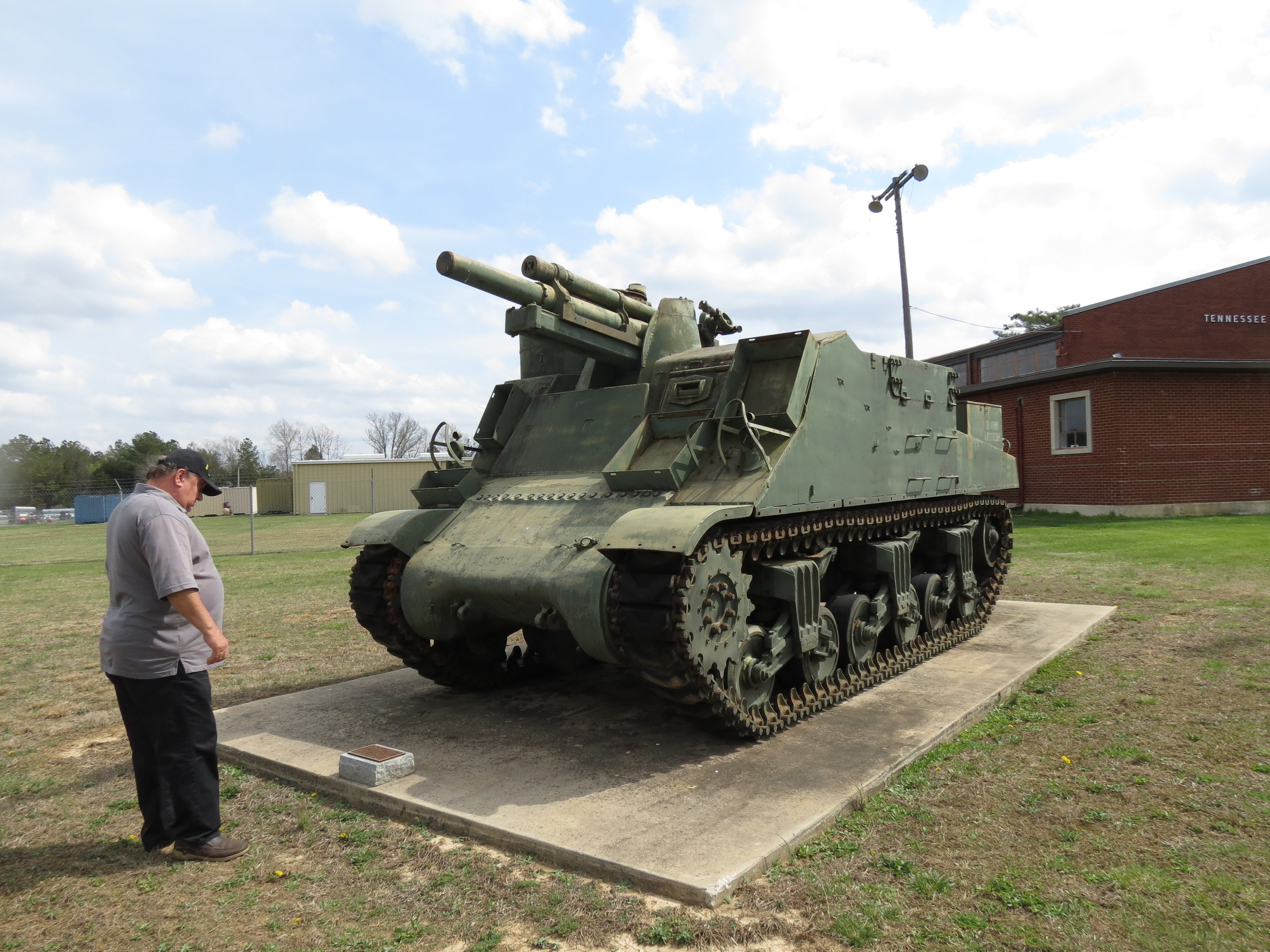
An M-7 “Priest” in Tullahoma

IMG_1361My husband and I recently traveled to Tennessee for a sad event – a family funeral. While driving through Tullahoma, we passed the Tullahoma Army National Guard Armory and out front sat an M-7 track-mounted 105 mm artillery piece like my father-in-law’s gun from WWII. Of course, we stopped and looked it over and took pictures.IMG_1352

This was only the second time we have seen an M-7, also called the “Priest,” in person and needless-to-say we were excited. We never imagined seeing my father-in-law’s gun so close to home. We quickly spread the word among the family members so that they too could share the experience. My father-in-law, Paul Whitaker, trained on the M-7 at Fort Campbell, Kentucky, then shipped out to Europe where he was in combat from July 1944 until the end of the war in Europe in May 1945.

Finding the gun in Tullahoma was ironic because in early 1944 my father-in-law’s outfit was taking part in the “Tennessee Maneuvers” in the Tullahoma/Coffee County area near Camp Forrest, Tennessee. They were pulled out of the maneuvers and sent to Fort Campbell where they were converted from a standard field artillery battalion to a mobile field artillery battalion. As part of the 276th Armored Field Artillery Battalion my father-in-law fought his way across Europe for the most part under the command of Patton’s Third Army. IMG_1363

The M-7 is in front of the “old” Army National Guard Armory in Tullahoma. This facility is utilized by the 1176th Transportation Company of the Tennessee National Guard. Nearby stands the brand-new Tullahoma Readiness Center dedicated in August 2012. This new facility houses the 30th Troop Command of the Tennessee Army National Guard, the latest generation of the “Old Hickory” legacy, descendants of the WWII era 30th Infantry Division.IMG_1353

The plaque in front of the M-7 in Tullahoma describes the gun pretty well. It states – “The M7 “Priest” 105mm howitzer had a 7 man crew that fired artillery rounds to a range of 11,500 meters during WWII and the Korean War. It was powered by a 9 cylinder Continental engine and had a range of 200 miles. A total of 3,490 M7’s were built from 1942 to 1945.”

Several years ago we saw an M-7 at a VFW near Flint, Michigan. We were visiting my sister and brother-in-law when he told us about seeing the gun at the VFW. He wasn’t sure if the gun was the same as my father-in-law’s gun so he took us out to see it.  That time my husband climbed up on top just to get a feel for what it was like up there. He didn’t attempt to climb aboard the one in Tullahoma. I’m afraid we’ve gotten too old for such adventures. Never-the-less we were both thrilled to see the gun.IMG_1360

I have written about this gun and the 276th Armored Field Artillery Battalion several times before. If you are interested, check out my posts in the Category “276th AFA.”

117th Regiment 30th Infantry Division – From Mortain to the Siegfried Line

This is the second post in a series following the 117th Regiment (originally the Tennessee National Guard) of the 30th Infantry Division through their World War II combat experiences. My primary reference has been an excellent and detailed account of the 30th entitled “Workhorse of the Western Front – The Story of the 30th Infantry Division in World War II” by Robert L. Hewitt. I have also gleaned valuable information from the Unit History of Company B, 117th Regiment and the 30th Division Old Hickory websites. As I continue to research the 30th, I find their story more and more fascinating. I hope you do, too.aubel-30th-inf-div-0003

The fighting around Mortain ended on August 13, 1944. With no time to rest the 117th Regiment and the entire 30th Infantry Division moved northeast encountering some enemy opposition but nothing substantial. After crossing the Seine near Mantes-Gassicourt, some 25 miles west of Paris, the 117th relieved the 79th Division. It took them two days to clear the German defenders from the high ridges on the north bank. By August 30 enemy opposition along that section of the river collapsed.

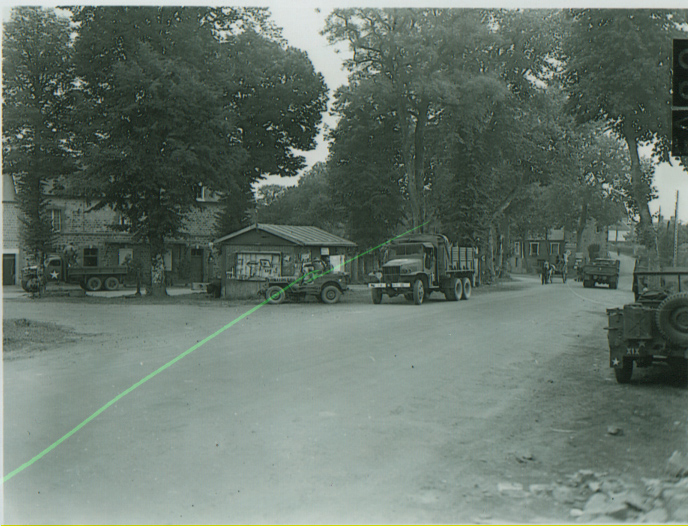
Orders came for the 30th to proceed to the French-Belgium border as part of a First Army task force commanded by Brigadier General William K. Harrison Jr. Without enough trucks to transport the entire division, the 117th remained behind in reserve while the 119th and 120th along with various support units – 125th Calvary Squadron, 30th Reconnaissance Troop, 743rd Tank Battalion, 118th Field Artillery Battalion, Company “A” 105th Engineer Battalion, and Company “A” 823rd Tank Destroyer Battalion –  headed for Tournai, Belgium.  After beating back the German rear guard, who attempted to delay the Americans while the bulk of their army retreated, the 30th Infantry Division became the first American division to enter Belgium on September 2, 1944.30th Inf Div artillery

The 117th Regiment followed on September 4, camping near the famous Waterloo battlefield. Assuming the Germans would take a stand at the Meuse River, command ordered “Old Hickory” to proceed across Belgium toward the Meuse and the southern border of Holland. Lack of gasoline forced the soldiers to go on foot, slogging through the rain and mud for the over one hundred mile trek. What would have taken one day by truck became an exhausting three-day march.

Anti Tank gun going to MaastrichtOn the west bank of the parallel waterways of the Meuse/Maas River and the Albert Canal, the 30th poised west and south of Maastricht, Holland, readying their attack on the most heavily fortified area along the border between Belgium and Holland. Organizing the scattered units of their retreating forces, the Germans scrambled to man the natural and man-made defenses in an effort to slow the Allies advance.Crossing Meuse near Vise

Attacking on September 10, “Old Hickory’s” regimental columns moved forward with the 117th to follow the 119th. Despite the enemy blown bridges at Vise, Belgium, south of Maastricht,  the 119th managed to cross the dual waterways. At the same time the 120th took the locks on Maastricht Island, further north, and then proceeded to capture the famous Fort Eben Emael finding the Germans had deserted it. By the morning of the 12th the 117th streamed across the river at Vise. Company A of the 117th pushed northward and became the first Allied unit to cross the Belgium-Holland border and enter Holland.30th Crosses Meuse

Lieutenant Elwood G. Daddow, Company B, 117th Regiment, defied the danger of a German counter-attack to retrieve a dispatch case from a damaged German command car. The case contained papers and maps indicating the German plans for withdrawal and deployment of their forces along the Siegfried line as well as other pertinent data. With the extensive enemy reorganization due to their rapid retreat to the German border, this intelligence proved invaluable.

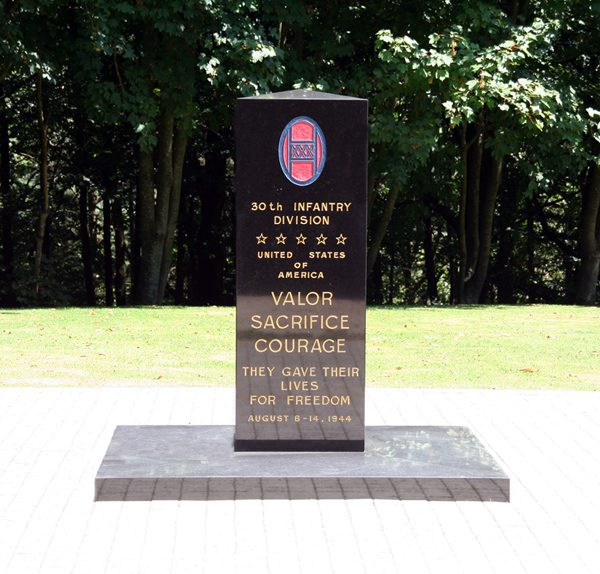
The battle for Maastricht and the surrounding area continued through September 14th with ongoing counter-attacks by the Germans. Pressing eastward “Old Hickory” pushed on toward the Siegfried Line also known by the Germans as the West Wall. Significant enemy artillery fire greeted the Americans for the first time since Normandy. On September 18 the 117th took up positions facing the Siegfried Line near Scherpenseel.Monument to 30th at Maas River

In the weeks since leaving Mortain, the fighting and the casualties had been light compared to Normandy. The demonstration of welcome in the towns liberated along the way was different as the 30th moved from France and its wild hugs and kisses to Belgium with its enthusiastic greetings to Holland with its smiles and waves. All were equally glad to be freed from the German occupation but the Americans learned quickly that the cultural differences between the countries meant there were differences in how they showed their gratitude.

In mid-September, with supplies still being brought ashore on the landing beaches of Normandy and supply lines stretched for hundreds of miles across France and Belgium, the shortage in all essentials from fuel to ammunition to food forced the Allies to halt their advance. An attack on the German homeland called for not only sufficient men and equipment but also the essential supplies to sustain the push into Germany. So the 30th settled in waiting for the Red Ball Express to deliver the much-needed materiel. They utilized the time in planning and training for the coming battle, along with a little rest and relaxation for the men, including hot showers, hot food and movies.

Although the 30th had trained in the U.S. for three and a half years before embarking for England and had trained for months in England before landing in France, the tremendous casualty rates left few men who had specialized training in weapons like the flame-throwers, bazookas, or demolition charges that would be needed in assaulting the Siegfried Line pill boxes. Command decided that everyone should be trained in all weapons and instituted an intense training program. This training allowed the replacements and the recently promoted non-com’s and officers to forge themselves into effective fighting units.

To prepare for the assault on the Siegfried Line specific information on the terrain ahead was compiled utilizing aerial photographs and reconnaissance patrols into dangerous enemy territory. With this information an elaborate sand table model was constructed in the command post. The sand table gave the men a visual representation of what lay ahead and what their specific objectives were. Men were rotated off the line to study the terrain depicted on the sand table. This detailed preparation would prove invaluable in the assault into Germany.

The 117th would breach the Siegfried Line and go on to help take Aachen, but more about that in the next post.


117th Regiment 30th Infantry Division – Tennessee National Guard

The 30th Infantry Division’s record in World War II garnered them the title of “Workhorse of the Western Front” by the Allies and “Roosevelt’s SS” by the German high command. Since the “SS” were Germany’s most elite troops, this reference by the enemy was high praise. The 30th’s nickname “Old Hickory,” in honor of Andrew Jackson, and their distinctive patch originated during their service in World War One where they fought with distinction. Since the division was originally created from National Guard units and since I am from Tennessee, I’ll focus my comments on the 117th Regiment made up of the Tennessee National Guard.

30th Infantry Division Patch


The unit history of Company B of the 117th Regiment, based in Athens, Tennessee, provides an interesting insight into the men who made up the Tennesseans in the 117th Regiment of “Old Hickory.” These were men who grew up together, some were related and many had fathers or uncles who had served in the 30th Division during WWI. In 1938 Company B had an authorized strength of three officers and sixty-one enlisted men. Federalization came in September 1940 and the strength increased to five officers and one hundred men.  There were eight groups of brothers on Company B’s roster at that time.

Originally authorized for one year under Federal control, world unrest led to an extension. When the Japanese attacked Pearl Harbor in December, 1941, the National Guard remained part of the U.S. Army for “the duration.” Under federalization enlistees, draftees and officers transferred from other divisions diversified “Old Hickory” with men from all over the country.

In September, 1940, the 30th Infantry began three and a half years of training, preparing for the fight everyone knew would eventually come. During this time many of the 30th’s officers and non-coms were transferred to other divisions as cadre (experienced soldiers responsible for turning new recruits into battle-ready soldiers). All of Company B’s original five officers were sent to officers training and reassigned to other divisions. In addition twenty-two of the company’s enlisted men were trained as officers and reassigned. These reassignments spread the influence of this small company of Tennessee National Guardsmen throughout the Army.

117th Regiment in NormandyThe 117th Regiment arrived in England in February, 1944, along with the rest of the 30th Infantry Division and its support units. They landed in France on Omaha Beach in mid-June. Although they came under enemy artillery fire in their assembly area, Company B’s first real combat came in early July, 1944, with the crossing of the Vire River. They fought through the hedgerows of Normandy learning the essentials of live combat that could not be taught in training. Due to casualties four different officers commanded Company B 117th Regiment  in the nine day period July 7-16. On July 20th St. Lo was taken and the Allies took this opportunity to “break out” of the small area they held along the Normandy Coast.

In the Normandy hedgerows

On July 24, 1944, three divisions, the 30th, 4th and 9th, comprised “Operation Cobra.” The 30th lined up its regiments for the attack – the 119th and 120th Regiments and two battalions of the 117th, with the remainder of the 117th held in reserve. The massive bombing by the Army Air Force preceding the infantry’s attack went badly. Bombs fell short and landed on the 30th, causing 152 casualties. Command stopped the main body of bombers and delayed the attack for a day. On the next day the Army Air Force made the same disastrous mistake, bombing short and causing 662 more casualties for the 30th. That day the operation proceeded with the remnants of the 30th plus reserves attacking in their sector as planned. Despite heavy casualties from “friendly fire,” the remaining men of “Old Hickory” pulled together and did their job. Although the Germans survived the bombing with little damage, the American attack was successful. By the end of July the Allied armies had “broken out” of their limited foothold on French soil and had opened a narrow corridor along Normandy’s western coast allowing Patton’s Third Army tanks to pour into the interior.

In the three weeks from the crossing of the Vire to the capture of Tessy-sur-Vire, the 30th Infantry Division suffered the most casualties of their entire combat experience in WWII. Other more famous battles lay ahead for the division but none would be as deadly. After the fight for Tessy-sur-Vire, the 30th rested for a few days. Replacements arrived but not near enough to make up for the men who had been lost.

On August 6th, orders came for “Old Hickory” to take over 1st Division positions in and around Mortain so the 1st could pursue the Germans further south. The American lines faced the German-held territory to the east with the 30th’s position around Mortain  on the southern end. Beyond Mortain small, mobile Americans units chased the Germans further inland.

A short distance to the west of the 30th’s position was Avranches and the narrow corridor supplying the Third Army and elements of the First Army pushing further into France. Unknown to the Allies, the Germans were massing forces for a counter-attack. They saw their chance to cut off Patton’s army by attacking west to the coast at Avranches, cutting the American supply lines, and thus bottling up Patton in Brittany and restricting the rest of the Allies to Normandy.  The German plan could have worked – if the 30th Infantry Division hadn’t stood in their way, blocking key roads and holding the only high point in the area.

Location of Road Block Near Mortain - Current
Location of Road Block Near Mortain – Current
Road block Near Mortain - 1944
Road block Near Mortain – 1944

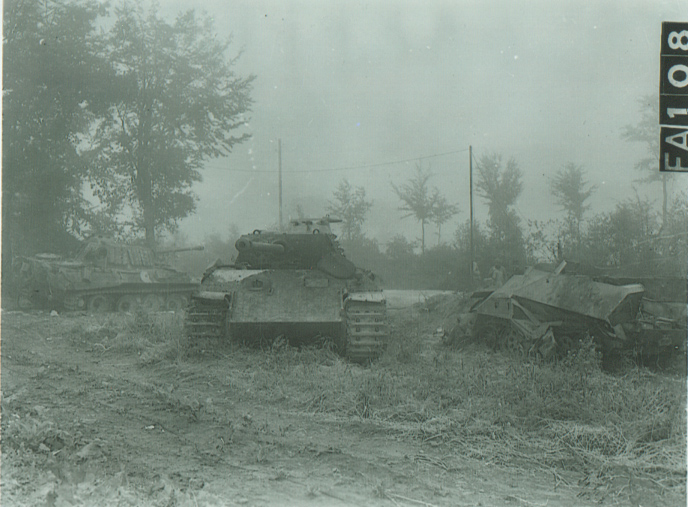
The 117th Regiment took up positions around St. Barthelemy just north of Mortain. They set up road blocks using anti-tank guns, established their headquarters, and occupied positions vacated by the 1st Division. No tanks were available. German aircraft attacked before the 117th could settle in, followed by heavy artillery bombardment. Early on August 7 the tanks of the 1st SS Adolf Hitler Division encountered the road blocks and knocked out the anti-tank guns, but not before some of their tanks and other mobile equipment were destroyed. The 1st Battalion of the 117th took the brunt of the attack. Although the Americans scattered and sought shelter, they did not withdraw. Without tank support, the infantry men used bazookas, machine guns, mortars and rifles to fight off the German onslaught and blocked one of the main routes to the coast. With limited communication with each other or their headquarters, small units fought ferociously. A squadron of British Typhoons provided the only effective air support by flying low and destroying German tanks, troops and vehicles. Read a fascinating account from the RAF at http://www.oldhickory30th.com/RAFatMortain.htm.

Hill 314
Hill 314

Meanwhile, the 2nd Battalion of the 120th Regiment occupied Hill 314 (named for its height) which overlooked the plain east and south of Mortain. Surrounded by the Germans, artillery Forward Observers called in fire almost continuously and men fought hand-to-hand as the Germans repeatedly attempted to take the hill. Isolated and low on supplies, the Americans held out on the hill for six days without reinforcement or resupply.

Photo NARA Mortain 12 Mark V & TDPhoto NARA Mortain 2 Mark V at St. BThe 117th stopped the German advance in the area around St. Barthelemy, an action for which they received a Presidential Citation. The 119th defended the road  through Juvigny and the ridge road through Le Mesnil-Adiele which represented the deepest German penetration toward the sea, while the 120th clung to the high ground on Hill 314.

By August 12th the German offensive lost steam and they pulled back. The 30th drew a deep breath of relief as reinforcements rolled in. But there would be no rest. With only a day to regroup and receive replacements, “Old Hickory” pushed eastward chasing the withdrawing Germans.

After the war the importance of the battle surrounding Mortain became clear. Surviving German commanders cited the loss at Mortain as critical to holding France and defeating the Allies. The German counter-offensive was their last chance to stop the invasion. Afterwards their focus became the defense of their homeland.

Monument Near Mortain

The exciting story of the 117th Regiment 30th Infantry Division continued on until the final German surrender. In my next post I will continue to discuss the 30th and their exploits after Mortain.


Audie Murphy American Hero

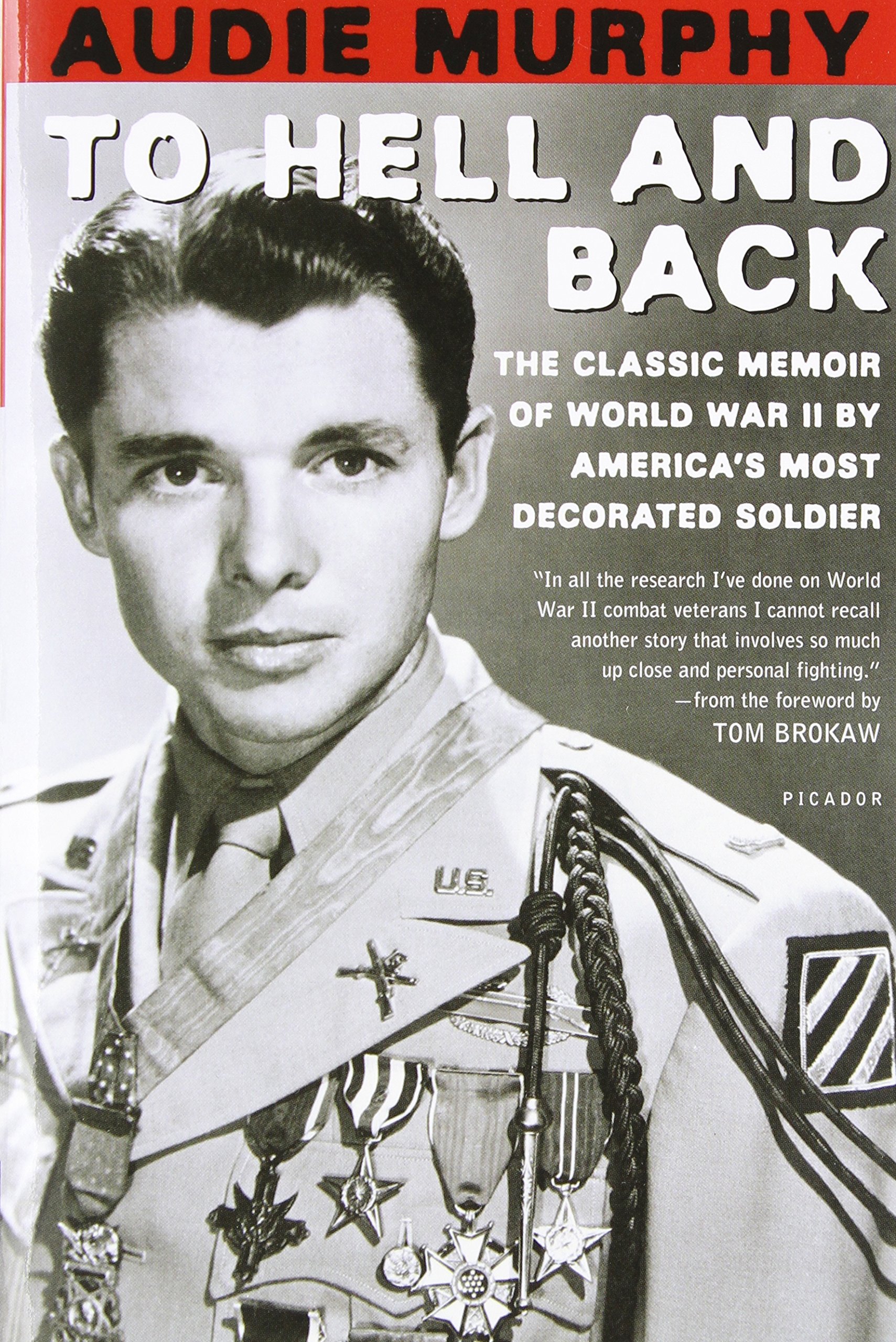
Audie Murphy was the most decorated American soldier in World War II, yet many Americans have never heard of him. That’s because most are too young to remember him or his war story or the many movies he made in the 1940’s, 50’s and 60’s. Today as we honor all our service men and women, we should not forget a hero like Audie Murphy.To Hell and Back

I remember watching the handsome young cowboy in westerns and the civil war soldier in Red Badge of Courage. Stories about Audie’s combat heroism must have come from my parents who, like I try to do with my children and grandchildren, tried to explain what this actor had done during the war. He seemed too young and too handsome to have fought in the war much less be a hero. When I was older I watched “To Hell and Back,” the movie made from his combat autobiography. It’s a good war movie with Audie playing himself – the young boy from Texas who became an unlikely hero. That movie made me see him as a soldier who did what he had to do in combat, not expecting to survive much less be honored for his heroism.

Recently I kept a promise to myself by purchasing and reading the Audie Murphy’s book. “To Hell and Back” is an excellent and realistic account of a soldier’s war experiences. Published in 1949, the account began on the beaches of Sicily and ended on VE Day, the end of the war in Europe, when Audie accepted the fact that he was alive and going home. Yet he knew he would never be the same.

Audie had listened to stories of World War I and always wanted to be a soldier. He changed the date on his birth certificate to add a year so that when he turned seventeen he could join the military. After being turned down by the Marines and the Paratroopers (a new branch of the Army that sounded tough to Audie), he ended up in the Infantry. From a large, share-cropper family he’d worked in the fields from an early age so he thought he could do anything. Boot camp was harder than he expected and he struggled to make it through. His baby-face and youthful appearance prompted his commander to suggest he go to Cooks and Bakers School rather than remain in the Infantry. Determined to see combat, Audie refused the reassignment and continued to insist he be assigned to overseas combat. That landed him in North Africa as a replacement in March 1943 but too late to fight there.
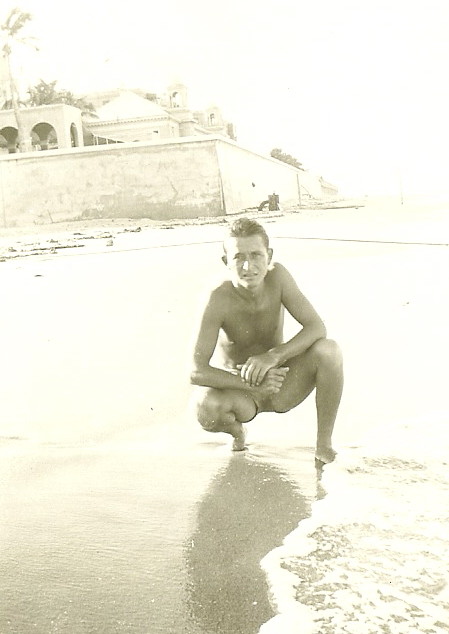
The invasion of Sicily followed in July and gave Audie his first taste of combat. It wasn’t what he expected. Nothing glamorous, no man-to-man tests of bravery. Instead he found himself hitting the dirt to avoid shrapnel from artillery shells, trudging over dusty roads and seeing death delivered suddenly and unexpectedly. Attacks into withering machine gun fire where fellow soldiers crumpled while he had to continue the advance were sobering experiences. Soldiers from different backgrounds and locales forged bonds of friendship as they lived together, cursed the war and protected each other, making each death or injury heart wrenching.

Audie landed at Salerno, Italy, and fought his way up the Italian peninsula to Cassino. Pulled from the fighting, Audie’s outfit, the 3rd Division 15th Infantry regiment, trained for another landing. They went ashore at Anzio in January 1944. Months of relentless fighting followed, including thousands of casualties, before they reached Rome in June. Again Audie’s unit went into training, this time for a landing in southern France in August, 1944. They fought their way north pushing the Germans back toward Germany. In a particularly difficult series of battles against the Germans holding an area west of the Rhine river called the Comar Pocket, Audie’s heroic actions earned him the Congressional Medal of Honor.

Audie Murphy was wounded three times in addition to contracting Malaria in Sicily. He received a “battlefield” commission in October, 1944. Earlier he had turned down the opportunity to go to Officers Candidate School because he felt he lacked the education needed. By the fall of 1944, experienced officers were badly needed. Audie’s natural leadership abilities and his combat experience made him an obvious choice.To Hell and Back Movie

After the war Audie made his way to Hollywood and became an actor. Among his credits are his own autobiographic war story “To Hell And Back,” “The Red Badge of Courage” (based on Stephen Crane’s story and including Bill Maudlin of WWII comic fame), and dozens of westerns including “Destry” and “The Unforgiven.” He made over 40 movies in his short life. Sadly, Audie died in a plane crash in 1971 at age 45.audie-murphy-photo

The Audie L. Murphy Memorial website provides a wealth of information about Audie. I learned that he spoke out about PTSD in the 1960’s when the subject of mental problems of veterans was taboo. He spoke of his own problems and worked to get the government to acknowledge the problem and provide help for the veterans.  There are pictures, details about all his medals and awards, a list of his movies, books about Audie and so much more.

The Mighty Eighth Air Force Museum

We recently traveled to Savannah, Georgia, and decided to stop in at the Mighty Eighth Air Force Museum. It is right off I-95 at Pooler, Ga. I’d seen their website but wasn’t sure what to expect. Wow! Were we impressed!

The museum is housed in a beautiful facility that includes the extensive exhibits, research facilities, gift shop and a small cafe. The fees are extremely reasonable, especially since you could spend an entire day and not see all the exhibits. For anyone interested in World War II or in the history of the U. S. Air Force, this is the place to visit.8th AF Museum Rotunda

With the research that I have done on the WWII era for my novels, I probably knew more about the 8th Air Force than most visitors. Both my husband and I have always had an avid interest in the Second World War, the politics, the fighting, the men and women who fought, and those who stayed behind on the home front. We went from exhibit to exhibit looking at the artifacts and reading the explanations starting in the rotunda where busts of important 8th AF individuals  include Jimmy Stewart, the actor/movie star who piloted a B-24 on missions over Europe, and Jimmy Doolittle, who gained fame by leading the raid on Tokyo before taking command of the 8th.

The exhibits are set up so that the visitor is led through the war starting with the events that led up to the U.S. involvement. The origin of the 8th Bomber Command in January, 1942, just a month after the United States had declared war on Japan and Germany, at Hunter Field in Savannah, Ga., explains the museum’s location. In February, 1942, the 8th relocated to England where the English assigned them to air fields in southeastern England. Later, in February, 1944, the 8th was redesignated the 8th Air Force, still part of the Army Air Corp. The war would be over before the Air Force would separate from the Army as a separate entity.

In 1942 the 8th began flying missions over German occupied Europe. During the next three years the 8th would suffer more than 47,000 casualties, over 26,000 deaths and its men would be awarded numerous medals including seventeen Medals of Honor.

One of the most impressive exhibits is the B-17 bomber currently being restored named the City of Savannah. The plane takes up an enormous exhibition space. Although it is not open for visitors to climb aboard, just walking under its huge wings gave me goose-bumps. You can see the engines up close, read and watch videos of each crew members responsibilities, step inside a booth to experience the waist gunner’s position, and look in the ball turret to wonder how a grown man could fit in the small space. A B-24’s tail with its 50 caliber machine gun shows the cramped, awkward space occupied by the tail gunner.B17 Tail with Fighter

I enjoyed sitting in the tent watching and hearing the crew briefings before they embarked on a bombing mission. The equipment, uniforms, various insignia and personal memorabilia of many of the squadrons, both bombers and fighters, were displayed in a series of glass cases. Another fascinating section was the replica of a German prison camp where 8th AF crews that had been shot down were held. Stories of evasion and escape as well as artifacts and pictures of those interred help the visitor understand the experiences of the prisoners.

I don’t want to give the impression that the 8th AF Museum only deals with World War II. Other exhibits tell of Korea, the Strategic Air Command and the conversion to jets. Additional exhibits honor the Tuskegee Airmen, the women of the WASP (Women’s Airforce Service Pilots), an art gallery and even the girl scouts.

Outside we found even more. A B-47 Stratojet sits beyond the grounds of the Memorial Garden. A replica of a British chapel provides a place for quiet reflection similar to that available to the men of the Mighty 8th while in England. Out front an F-4C Phantom Jet and a MIG 17-A stand guard.

B47 StratojetBy the end of our allotted time my husband and I both agreed that we had to come back. We felt we had only skimmed the surface of the vast amount of information available. When we return we will be armed with the names of at least two WWII 8th AF veterans who lived in our home town. We will also plan to stay overnight in one of the nearby motels so that we can spend as much time as possible in the museum.

For anyone interested in World War II, the history of the Air Force or of aviation, this is a must-see museum.

Oak Ridge – Secret City of WWII

My research into Tennessee’s contribution to WWII is not complete without a chapter on Oak Ridge, undoubtedly the largest and most significant war project in Tennessee. And the most secretive.

The first atomic bomb was detonated over Hiroshima, Japan, on August 6, 1945. The uranium isotope U-235 used in that bomb was produced at the Clinton Engineering Works in Oak Ridge, Tennessee. Yet a mere three years before that ominous event the town of Oak Ridge and its massive plants did not exist.

Much has been written about the Manhattan Project and the atomic bomb. There are the scientific aspects and the military aspects. But my interest lies in the people – who they were, where they came from, how the war affected their lives, what their lives were like at Oak Ridge, and of course the possibilities of romance.

Recently I read two books about Oak Ridge that provided fascinating insight into the town and the people who lived there. “City Behind a Fence, Oak Ridge, Tennessee 1942-1946” by Charles W. Johnson and Charles O. Jackson tells of the origin of the town and how the people lived in Oak Ridge. “The Girls of Atomic City, the Untold Story of the Women Who Helped Win World War II” by Denise Kiernan recounts the stories of several women who worked at Oak Ridge during the war while relaying the tale of the progress of the atomic bomb during the war years. Both books are fascinating and I highly recommend them to anyone interested in Oak Ridge.

City Behind A Fence

In the fall of 1942 the Army Corp of Engineers began acquisition of 59,000 acres in Roane and Anderson counties, about twenty miles from Knoxville, Tennessee. With no negotiation, the Army informed land owners that their land was to be taken for a government project and gave them from two to six weeks to vacate. No information was provided about the project. When Tennessee Governor Prentice Cooper learned of the government actions construction was already under way.  He was understandably furious and accused the Army of establishing a New Deal experiment in socialism disguised as a war project. This sentiment persisted among people of the area for years.

All types of workers made their way to Tennessee to work at Site X for the Clinton Engineering Works or one of their contractors. The original estimate of 13,000 residents grew until the population reached 75,000 in 1945 making Oak Ridge the fifth largest city in Tennessee. Recruitment advertising for workers was of necessity intentionally vague. Scientists and construction workers, guards and secretaries, and many more traveled to an unknown non-existent destination to work on a war project. Soldiers preparing to go overseas were reassigned to the project with no explanation. Many young women from Tennessee and the surrounding states sought the good paying jobs without questioning what they would be doing. To these workers the secrecy of the project meant it was important to the war effort.

Johnson and Jackson describe the development of the town of Oak Ridge, with planning for housing, shopping, schools and recreation. As the demands of the project grew the challenges of running a town increased, especially with the tight security. With housing a constantly increasing need and continuously under construction, many workers lived off-site and either drove or rode the extensive bus system to and from work. The Oak Ridge bus system became one of the largest in the entire country. Housing within the reservation consisted of pre-fab single-family homes, small apartments, dormitories, trailers and hutments.

This is only a sampling of the fascinating information in the book “City Behind a Fence.” Definitely worth the read.

The Girls of Atomic City“The Girls of Atomic City” is also fascinating and well worth the read. Kiernan tells the stories of several women from different places doing different jobs all brought together in this one very unusual place. The writing style resembles that of a novel with plenty of personal detail and emotions from the viewpoint of the women themselves. Two secretaries, a leak tester, a chemist and a statistician are some of the ladies who tell their stories of a place where the one question they couldn’t ask a new acquaintance was “where do you work?” Limits on what could be discussed didn’t prevent friendships from forming or romances from blossoming.

Kiernan alternates chapters about the women with chapters about “tubealloy,” the code name for uranium. As in a mystery or thriller, Kiernan unveils the story of the scientists, the research and the conversion of theory to production under the pressure of war.

The locals often commented on how much material went into the site and nothing came out, no planes or ships or tanks or anything. Another memorable feature of the town to those who lived and worked there was the mud. Everywhere the workers went, the mud covered shoes and trousers identifying them as being from behind the fence.

Information was so compartmentalized that workers only knew what they needed to do their job. Very few knew the overall purpose of the project and the veil of secrecy prevented any open discussion or speculation. So most were as surprised as the rest of the country when President Truman announced that the bomb had been dropped on Japan and mentioned Oak Ridge’s contribution.

Both books provided me with much food for thought as I craft my love stories during World War II. Don’t be surprised if Oak Ridge shows up in a future romance novel.

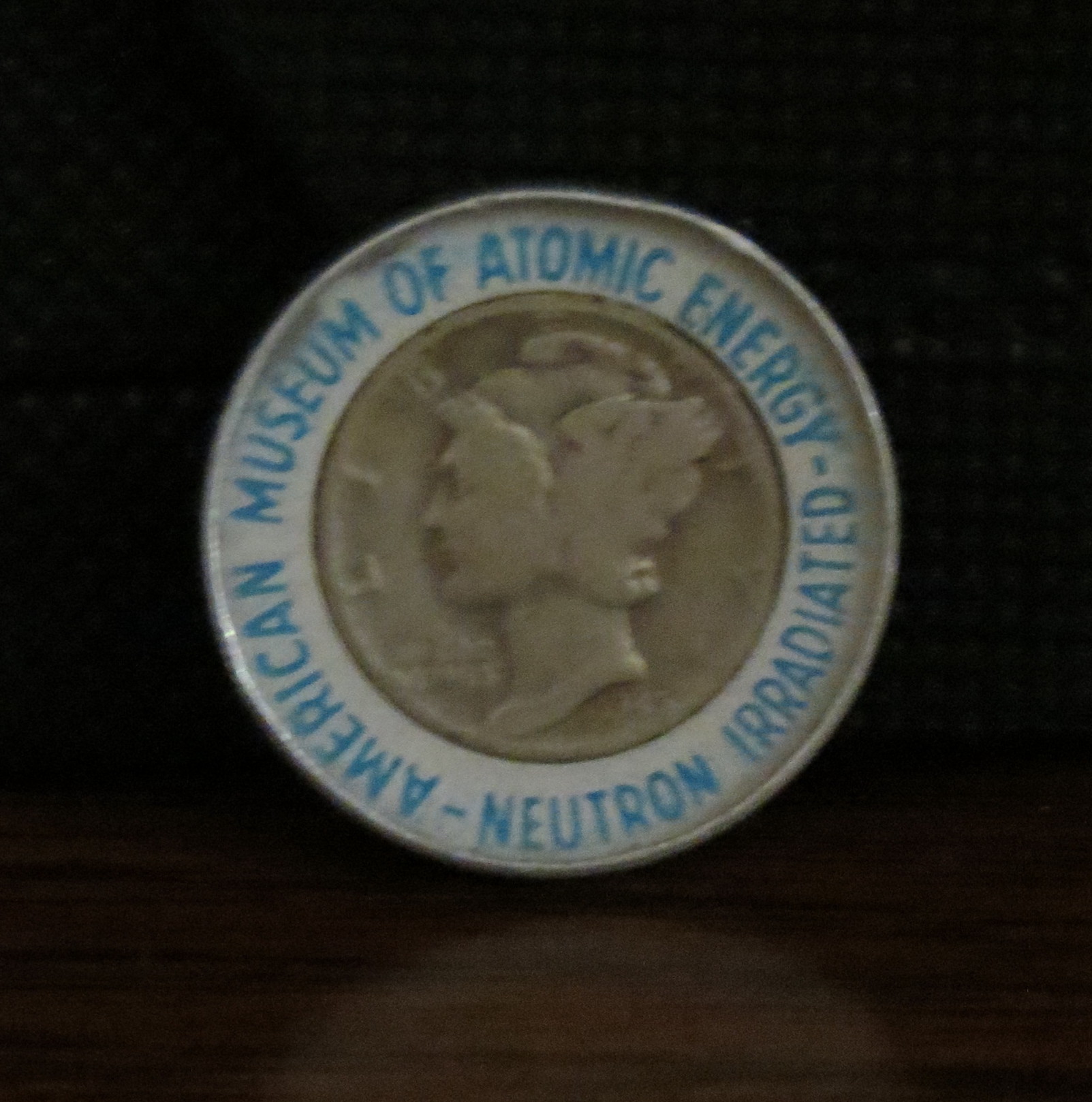
On a personal note I will share my small connection with Oak Ridge. In the 1950’s my uncle worked at Oak Ridge. As children my sister and I spent a week with our cousins there and had a wonderful time. We had no idea of the significance of the place. We just knew if was very different from the small town where we grew up. When our parents came to get us, I remember my uncle driving us to the gate.  Flanked by fences, guard towers, and armed guards, even to a small child it was ominous and memorable. Our parents spoke of the high security at the facility but it was much later before we understood the significance. A later visit to the American Museum of Atomic Energy explained some of it. I still have my souvenir from the museum – an irradiated dime. They told us the dime would always be radioactive but it would diminish over the years. A simple way to explain radiation to kids. My uncle transferred to the facility at Los Alamos and my sister and I were lucky enough to go there for a visit, too.Irradiated Dime


Ream General Hospital, Palm Beach, Florida

The beautiful Breakers Hotel in Palm Beach, Florida, was known as Ream General Hospital from 1942 to 1944 when the property was taken over by the U. S. Army. Not many people know that little piece of WWII trivia. My father was stationed there in 1944 as a rehab specialist and my parents told us stories about their time in Florida. We visited the hotel one summer in the 1950’s. It was closed for the season and we were able to walk around on the grounds. I doubt anyone could do that now without getting a room.

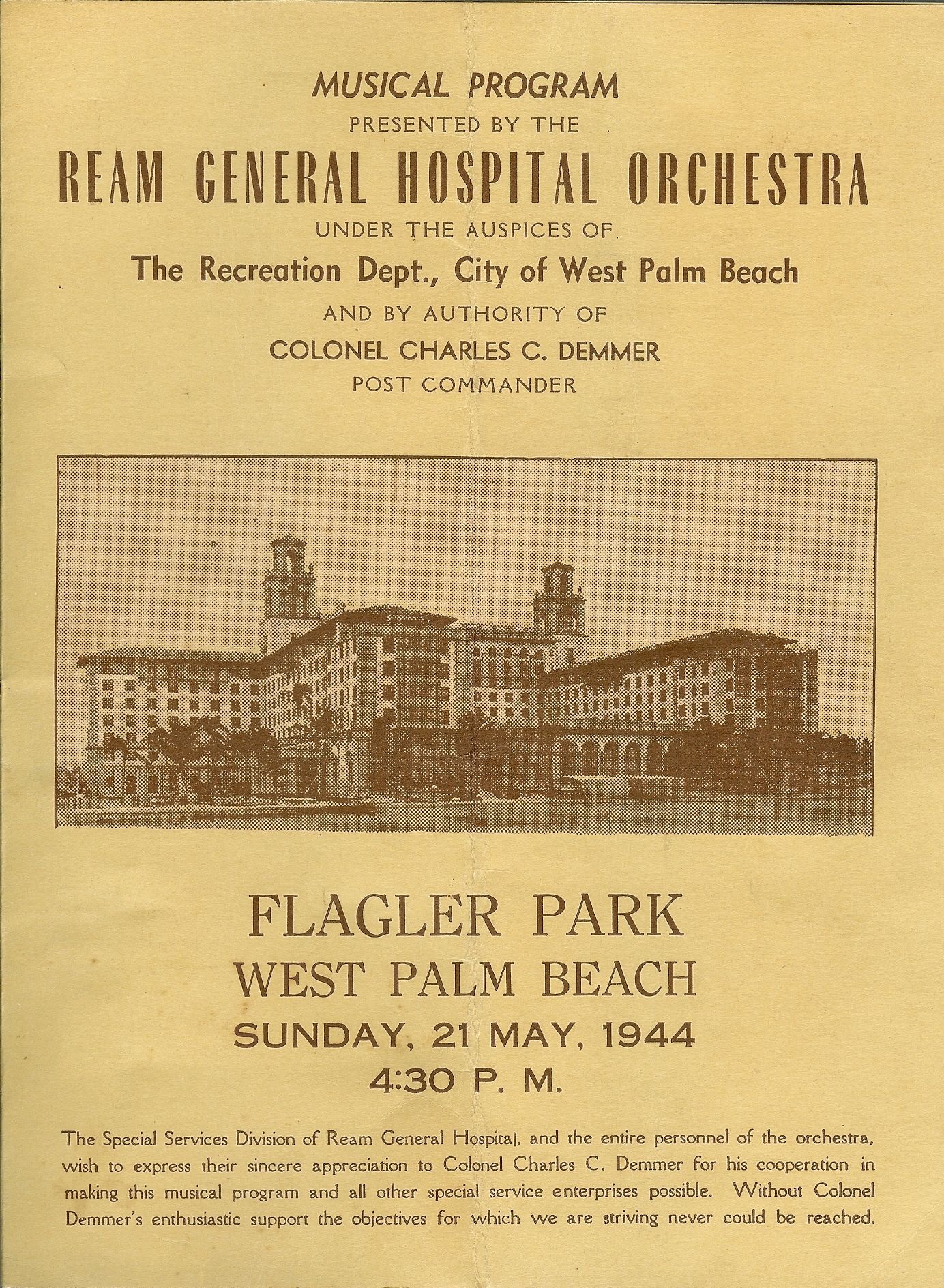
If you search online you can find out the basic facts about Ream General and the Breakers Hotel, but not much detail. My parents saved some papers and mementos from the war era and in searching through them I came across some interesting information not available online about the Breakers Hotel and its short stint in the Army.Ream Orchestra Program

One of the documents I found was a musical program for the Ream General Hospital Orchestra. During WWII even musicians served in the military and many orchestras were organized for entertainment. The orchestra program I found gives a brief biography of the orchestra leaders and lists each orchestra member and who they had played with. This was the era of the big bands and these musicians had played with some of the best, such as Artie Shaw, Paul Whiteman, and Woody Herman. The men behind the program were Lt. George L. Walker, Special Services Officer and Director of Athletics and Recreation,  PFC Vick Knight, writer and producer, Pvt. Ted Klages, arranger and conductor, and PFC Howard Determan, dance band conductor. They performed a variety numbers from a “Show Boat” medley by Jerome Kern to a violin solo of “Estrellita” to a saxophone solo of “Body and Soul” by the previously mentioned Howard Determan to a Dixieland number called “The Blues.” Some of the other numbers were “Moonglow,” “Minuet in G,” “GI Jive,” Begin the Beguine,” the “Anvil Chorus,” and “Texas Polka” written by Vick Knight.  An autographed copy of the sheet music for “Texas Polka” is in my parents papers. The finale was a service medley of “Marines Hymn,” “You’re in the Army Now,” “The Caissons Go Rolling Along,” “Anchors Aweigh” and “Army Air Corp Song.” It must have been quite a show.Breakers Walk Grounds

In the papers are newspaper articles about Ream General that reflect the opposition to closing the hospital and turning the hotel back over to its owners. The War Department was accused of yielding to pressure from the Florida East Coast Railroad and hotel interests who wanted paying customers utilizing the hotel rather than wounded soldiers. A spread in the PM Daily Picture Magazine on March 27, 1944, includes an editorial by I. F. Stone entitled “Keep the Breakers for a Hospital Until Our War Casualties Are Known.” Mr Stone complains of the bureaucracy closing the hospital when its occupancy had increased from 700 to 1,000 patients between January and March. He points out that the facility which specialized in treatment of facial, head and nerve injuries and neuropsychiatric cases had a unique combination of special medical facilities and year-round sunshine that could not be equalled. Everyone expected the Allies to open another front in Europe and Mr. Stone proposed keeping the hospital open until the Army had a better idea of how many casualties to expect.

Another article, “Davies Gives Estate as GI’s Face Breakers Ouster,” tells of Former Ambassador and Mrs. Joseph E. Davies placing their famous Palm Beach estate, Mar-A-Lago, at the disposal of wounded soldiers being treated at the Breakers Hotel. As stated in the article several other Palm Beach property owners and some prominent physicians protested the reversion of the hotel to the railroad and hotel interest by sending telegrams to Senator Harry S. Truman (Remember this was in March 1944, months before the Democrat was put on the ticket as Roosevelt’s Vice President).Breakers Dental Clinic

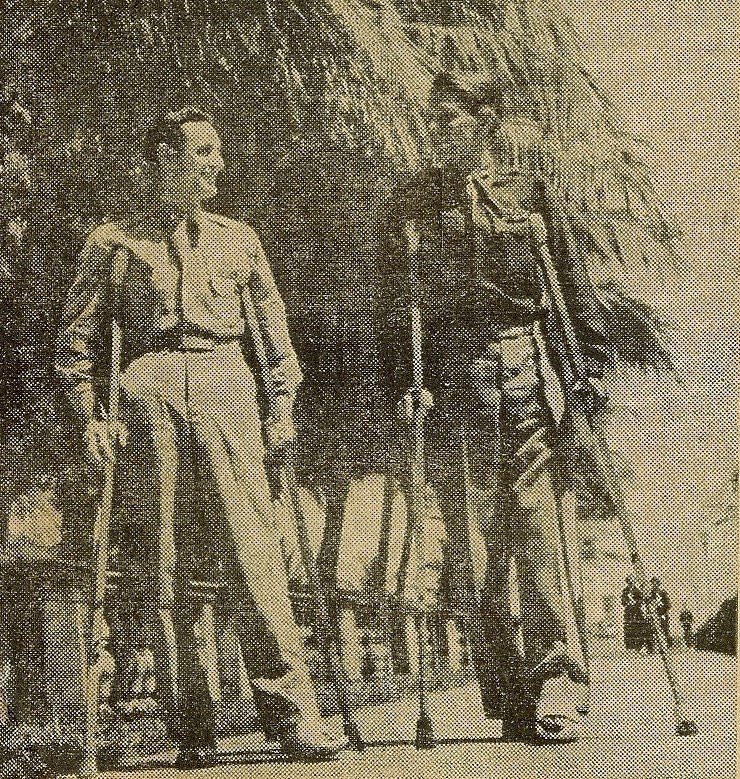
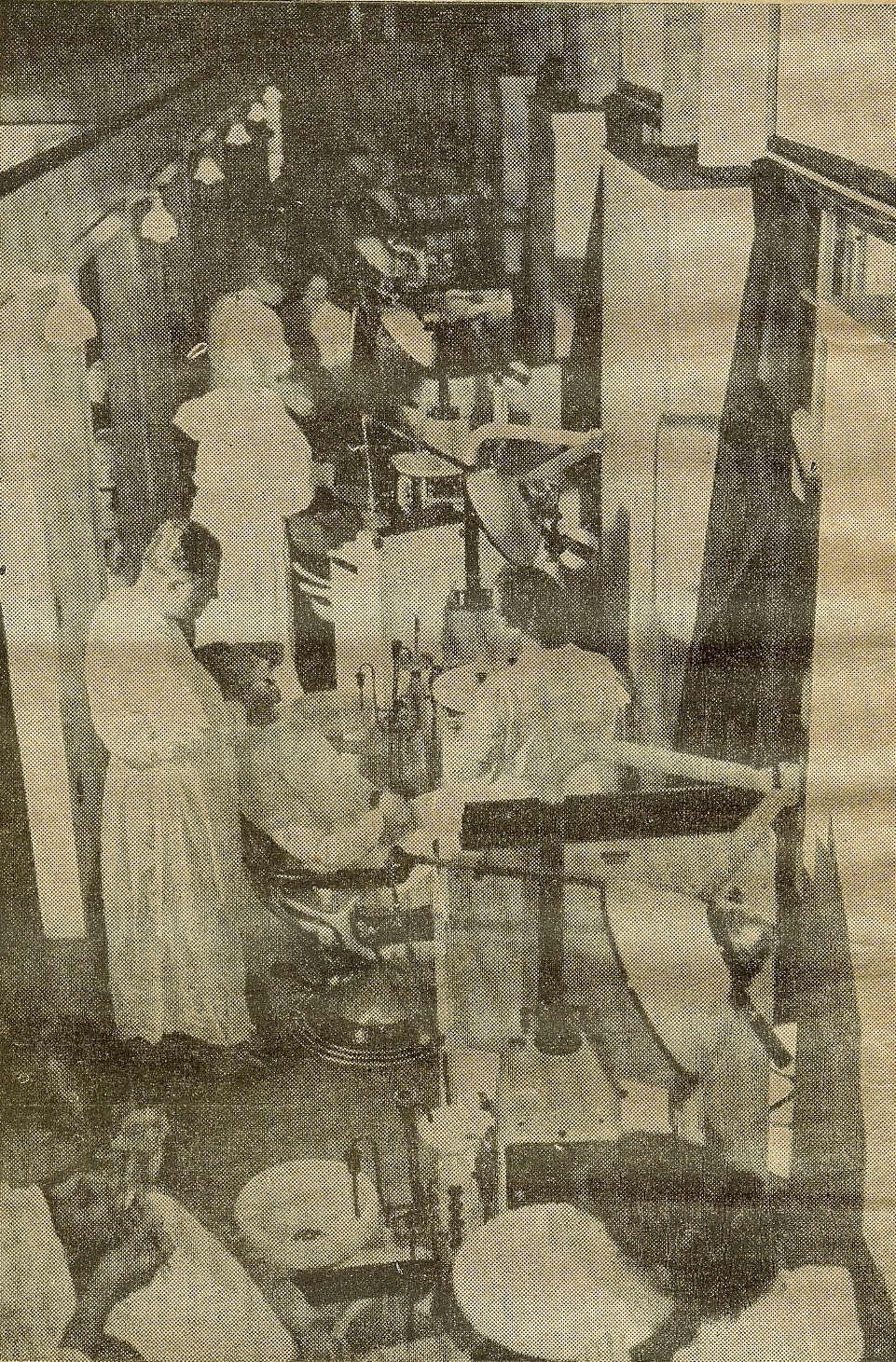
This same article included a triple-page spread of photos. They include an operating room and a series of photos of doctors making a mould of a patient’s damaged face to facilitate plastic surgery. Other pictures show men exercising on one of the hotel patios, soldiers on crutches walking the grounds and lounging on the Breakers’ “fabulous fountain” and the once sunny promenade converted to a modern dental clinic shielded by black-out curtains. Shots of famous Palm Beach residents Gloria Baker Topping and Lucille Vanderbilt of the Red Cross and Margaret Emerson, hospital “Grey Lady,” join pictures of patients in the exercise room and on the beach. A headline above the photos reads “Palm Beach’s Best People Want GI’s to Stay.”Breakers Red Cross


A final newspaper article dated August 22 is headed “Army Scored for Abandoning Hotel.” It states “The Senate War Investigating Committee declared the Army’s original acquisition of the luxurious Breakers Hotel, Palm Beach, Fla., was “high-handed and arbitrary” and its recent decision to abandon the property is “not justified by the facts.” It continues “The Army has announced that the hotel, now being used as the Ream General Hospital, will be abandoned on September 1 and returned to the owners by December 14.” The conclusion seems to have been that although the decision to acquire the property was flawed, the decision to abandon it was worse.  The Army stated that “to replace the hospital beds it had placed in operation a barracks type hospital at Camp Atterbury, Ind. … which in location and general construction does not compare with the Breakers.”

The controversy over the hotel/hospital sounds like one of the many issues we hear about today, Senate investigation and all. We don’t think of these type controversies in relation to World War II but reading newspapers of the day will reveal many such issues were hotly debated.

Some of my favorite war stories are about people helping other people. In Palm Beach the local residents rallied behind the wounded GI’s and the medical staff taking care of them. My father told of how these rich people graciously opened their homes to the soldiers. Many locals volunteered with the Red Cross, the Grey Ladies and in the canteen they set up for the military personnel. The Breakers Hotel proved to be an excellent place for a wounded soldier to recover.

I apologize for the quality of the photos. Newspaper pictures do not scan well, especially old ones. Below are photos of my dad while he was stationed at the Breakers/Ream General.

Vernon at Pool Palm Beach 1944Vernon on Beach 1944