“Meet Cute” during WWII

In the movie “The Holiday” (2006), Eli Wallach’s character explains to Kate Winslet’s character what a “meet cute” is in the movie business. “It’s how two characters meet in a movie,” he says. In other words, it is the scene where something brings the hero and heroine together and often the chemistry between the two is evident from the start.  In Romantic Comedies the writers try to make the meeting something awkward or unusual or “cute.”

Holiday (2006)
Eli Wallach and Kate Winslet

The term isn’t used as often when referring to novels, but romance novels always have a scene where the hero and heroine meet. There is a “meet cute” scene even if it’s not “cute.”

When I hear how couples met during WWII, I imagine the “meet cute” scene. I go on to ask what brought them to this point in their lives and how did their relationship develop into lasting love. Many had challenges such as parental disapproval, religious differences, physical separation due to the military, differences in social status or simply their own uncertainties. These challenges create conflict within the love story. Yet the challenges are overcome.

In real life the initial meeting may not seem so dramatic. Yet to those involved, it was life changing. My in-laws met on a blind date and, incredibly, married twelve days later before he shipped out. I wrote a post about Frank Towers who met his wife-to-be at a church social held for soldiers far from home, a social he didn’t want to attend. I wrote in another post how Irving Grayson’s future wife saw him showing off his skills at a skating rink. All these are “meet cute’s.”

In my novel, Kitty’s War, the hero and heroine first meet when she pulls him from the surf and saves his life, which is less of a “meet cute” and more of a dramatic encounter. Their second meeting is the awkward, unsure moment we think of as a “meet cute.”
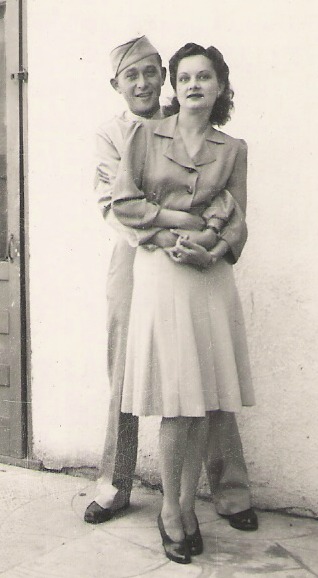
Of course, plenty of couples knew each other before the war started. Maybe they went to school together or lived in the same town. Even in these instances, the war accelerated their desire to get together and see where their mutual feelings took them.

What makes these meetings during WWII unique? Many couples would never have met if it hadn’t been for the war. Servicemen trained far from their homes in different places across the country before going overseas. Other men and women met while serving overseas in the military. Even defense plant workers moved from their home towns to cities where factories and shipyards had geared-up for wartime production. In these places far from home, lonely men and women found each other. And the war added an element of urgency to the romantic relationships.

“The Clock” (1945) with Judy Garland and Robert Walker is a good movie example with a “meet cute” in a train station. A soldier on 48 hour leave in New York City meets a girl in Pennsylvania Station. The two fall in love before he ships out.

The Second World War caused a great mixing in our population. Millions of men and women moved all around the country during the war. Most had never traveled very far from home.  They were exposed to different cultures, different scenery and different climates. My mother told of eating Italian food for the first time while renting rooms from an Italian family in Florida. My father-in-law saw the ocean for the first time when he sailed across the Atlantic to fight in Europe. Raised in New England, Frank Towers trained in the humid heat of Camp Blanding, Florida. They had so many unique experiences.

During World War II, many young Americans found love in unexpected places. Just imagine all the different “meet cute” scenes.
 

Kitty’s War To Become Audio Book

I am excited to announce that my novel, Kitty’s War, is in the process of becoming an audio book. My publisher, The Wild Rose Press, has partnered with ACX to produce an audio book which should be available around the beginning of 2019.  Stay tuned for more information.

Kitty’s War is available in print or e-book at Amazon and other online outlets.

Kitty’s War Back Cover Blurb

Seeking adventure, shy Kitty Greenlee joins the Women’s Army Corps. In 1944 England, as secretarial support to the 8th Air Force, she encounters her dream man, a handsome lieutenant who only has eyes for her blonde friend. Uncomfortable around men, Kitty doesn’t think the handsome officer could want someone like her.

Recovering from wounds, Ted Kruger wants to forget about losing his closest friends and have fun before returning to danger as a bomber navigator. When Ted recognizes Kitty as the girl who rescued him two years before, he must choose between dating the sexy blonde or pursuing quiet, serious-minded Kitty even though he knows he’s not nearly good enough for her.

As the war gears up with the D-Day invasion, will Kitty and Ted risk their hearts as well as their lives?

Memorial Day Tribute to Joaquin Arambula

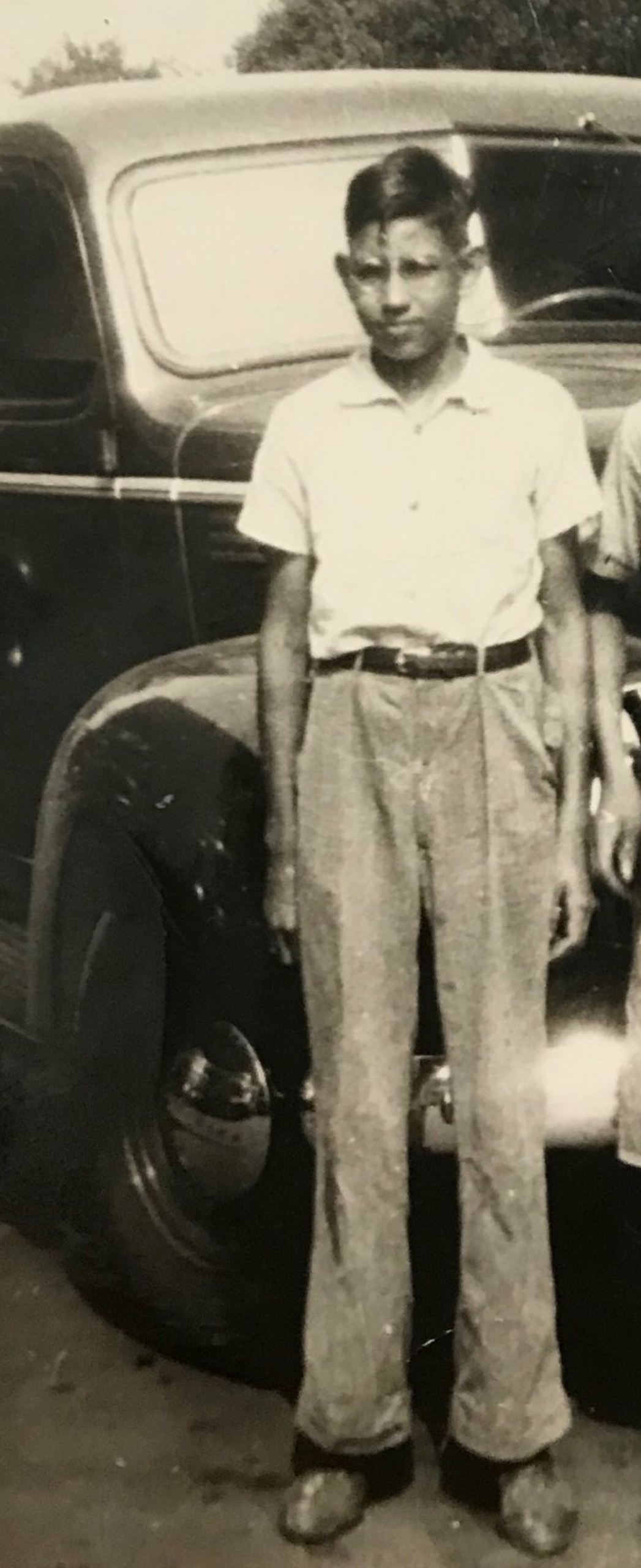
On Memorial Day we remember those who have made the ultimate sacrifice for their country. I recently learned a little more about one of those fallen heroes – Private Joaquin Arambula who died November 29, 1944, in France, at age 19. Joaquin served in the 276th Armored Field Artillery Battalion, the same Battalion as my father-in-law, Dewey Paul Whitaker.

Joaquin Arambula was brought to my attention by Darren Lanier and Tim Lanier, the grandson and son of Jacob J. Lanier who served, along with Arambula, in Battery “B” 276th Armored Field Artillery Battalion. Pvt. Jabob J. Lanier shared stories of his close friend Joaquin whose memory remained with him for the rest of his life.

Jacob Lanier

Jacob J. Lanier told his family of the events surrounding Arambula’s death and how he mourned his friend. The 276th held a position near Freybouse, France, on November 23, 1944, Thanksgiving Day. The Germans began shelling their position and their Lieutenant called to Lanier and Arambula to go up to the road and stop an approaching Army mail truck before it came under fire. Both men ran toward the road. Pvt. Arambula was ahead of Lanier as they ran through some nearby woods when a German artillery shell came in and hit close to the two men, mortally wounding Arambula. He was evacuated to a field hospital where he died a few days later.

Morning report for the day Pvt. Arambula was wounded.

Jacob Lanier felt both guilt for having survived the blast and sorrow for the loss of his friend. In later years, Lanier often thought how close he came to dying that day. The fact that he didn’t run as fast as his buddy not only saved his life but also enabled him to return from the war and have a family, something his friend Joaquin didn’t get to do.

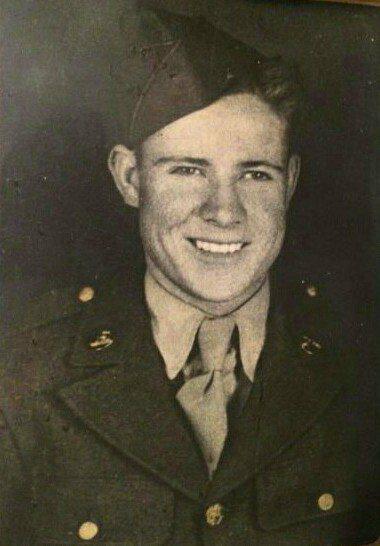
Joaquin when younger
Joaquin before the war

Joaquin Arambula, the son of Frank Arambula, was from Enid, Oklahoma. Since Joaquin could not see very well without his glasses, his family was upset when he was drafted. After training, Pvt. Arambula landed on Utah Beach on August 25, 1944, with the 276th Armored Field Artillery Battalion. They journeyed across France and joined the fight in Eastern France with Patton’s Third Army. The 276th fought valiantly that fall in several engagements, including repulsing the German counter-attack at Landroff, before Pvt. Arambula’s tragic death.

Of the three Arambula brothers who served in World War II, only Joe Arambula came home after serving in Europe where he fought in the Battle of the Bulge. Their other brother, John M. Arambula, died November 16, 1943, age 20, while serving in the 7th Infantry Regiment, 3rd Infantry Division in Italy.

Joaquin’s brother Joe


Pvt. Joaquin Arambula is buried near Saint-Avold, France, in the Lorraine American Cemetery. His brother John is buried in the Sicily-Rome American Cemetery in Nettuno, Italy (Find-a-grave). To locate service members buried overseas or missing you can search on the American Battle Monuments Commission website.

So it is with sadness that we remember these young lives cut short by war. We honor their memory and their sacrifice. And we honor the sacrifice of their family, who lost so much so that we could have the freedom we enjoy today.

Many thanks to Darren Lanier for tracking down the family of Joaquin Arambula and to Joaquin’s family for sharing their pictures and their story.

My World War II romance novel, Kitty’s War, is available on Amazon, ITunes, Barnes & Noble, Kobo and The Wild Rose Press.


B-24 Witchcraft and P-51 Mustang

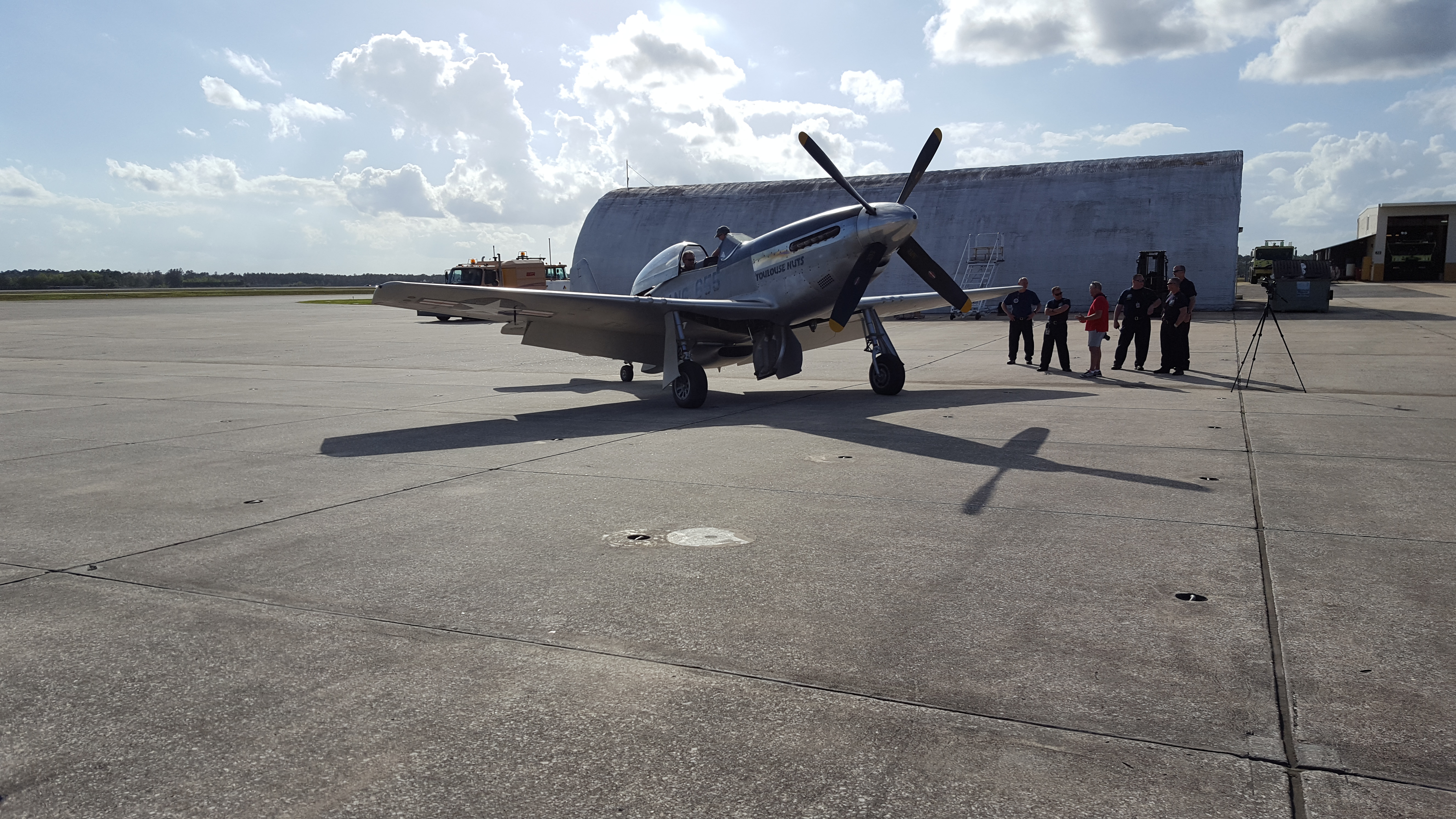
Last February when we went for a ride on the B-17 Nine-O-Nine, we also got an up-close view of the B-24 Witchcraft. The Collings Foundation had three WWII vintage airplanes on display that day and all flew passengers. The third plane was a P-51 Mustang or, more specifically, a TF-51D Mustang which is a two-seated training fighter. Since it was in the air most of the afternoon, we didn’t get as close to the fighter.

While researching for my novel, Kitty’s War, I read up on America’s two heavy bombers trying to decide which one to use in my story. The B-17 won out but I was impressed by the B-24’s capabilities.

The B-24 Liberator was a heavy bomber designed by Consolidated Aircraft. It’s design was more modern than Boeing’s B-17. The B-24 had a faster speed, heavier load capacity and the ability to fly at higher altitudes. Many crews preferred the B-24 over the B-17, but the B-17 had a reputation for making it back to its home base despite heavy damage. The B-24 had a tendency to break up when heavily damaged, especially when it hit the water. That’s because of the structure and location of the bomb bay. 

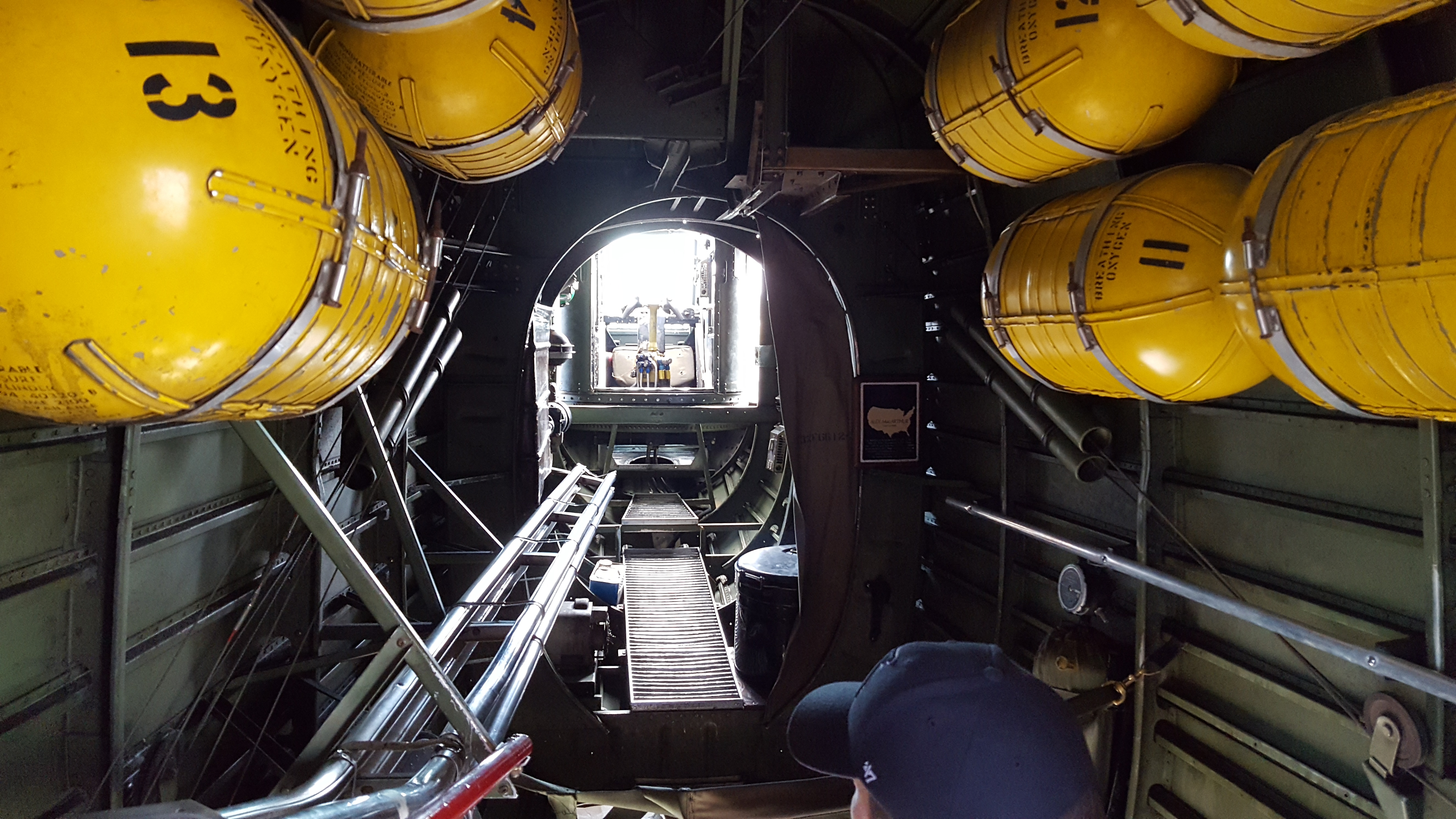
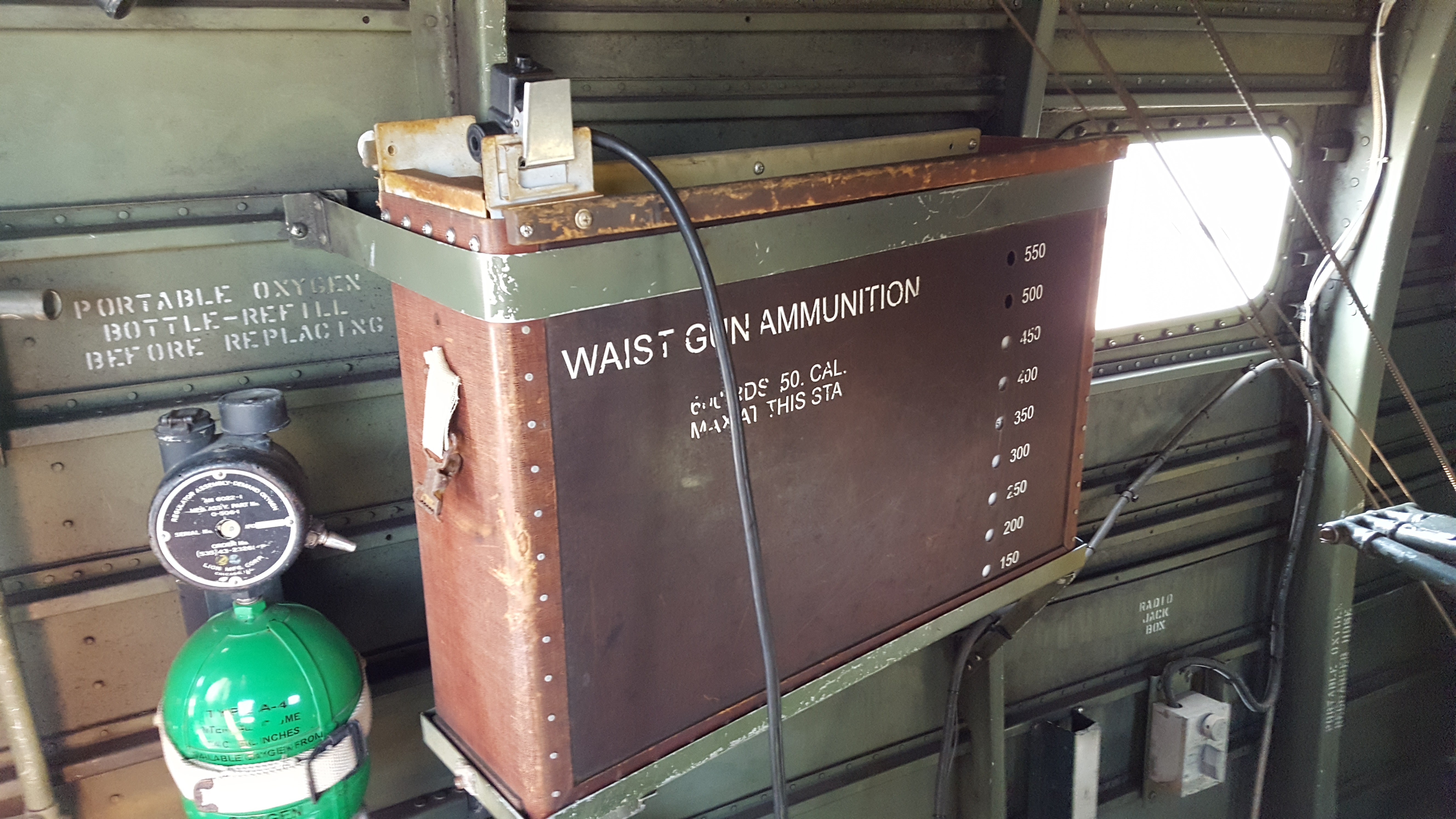
I climbed inside the Witchcraft to get a feel for the aircraft. Pictures from inside show the ammunition boxes and the oxygen bottles. Looking from the waist gunner positions behind the wings forward through the bomb bay you can see all the way to the bombardier’s seat.  The walkway through the bomb bay was wider and less obstructed than on the B-17. I didn’t get into the nose of the B-24 where the Bombardier sat.


The B-24 was the plane that Jimmy Stewart flew during his time overseas in WWII. If you saw the movie “Unbroken,” Louis Zamperini was shot down over the Pacific in a B-24.

While inspecting the aircraft before we went on our flight in the B-17, we met a WWII veteran. James Connelly was there to take one last flight in a B-24, the same plane he flew in during WWII. During the war Connelly flew twelve missions before his B-24 was shot down over Germany. He then spent nine months in a German POW camp. Mr. Connelly was fascinating and I hope to talk to him again.

I got some pictures of the P-51 fighter as it sat on the runway ready to take off with a lucky passenger.

B-17 Nine-o-Nine

This is a re-post of a post published in March 2018 after our flight on the Nine-O-Nine. I want to honor this beautiful airplane and all those who were killed or injured this morning when the Nine-O-Nine crashed in Connecticut. This is a sad, sad day.


As promised in my last post, here are more photos of the B-17 Nine-o-Nine that we flew on a couple of weeks ago. These were taken on the ground as we walked around and examined the plane before our flight. I’ve seen so many pictures of B-17’s, but a picture does not compare to seeing the airplane in person.

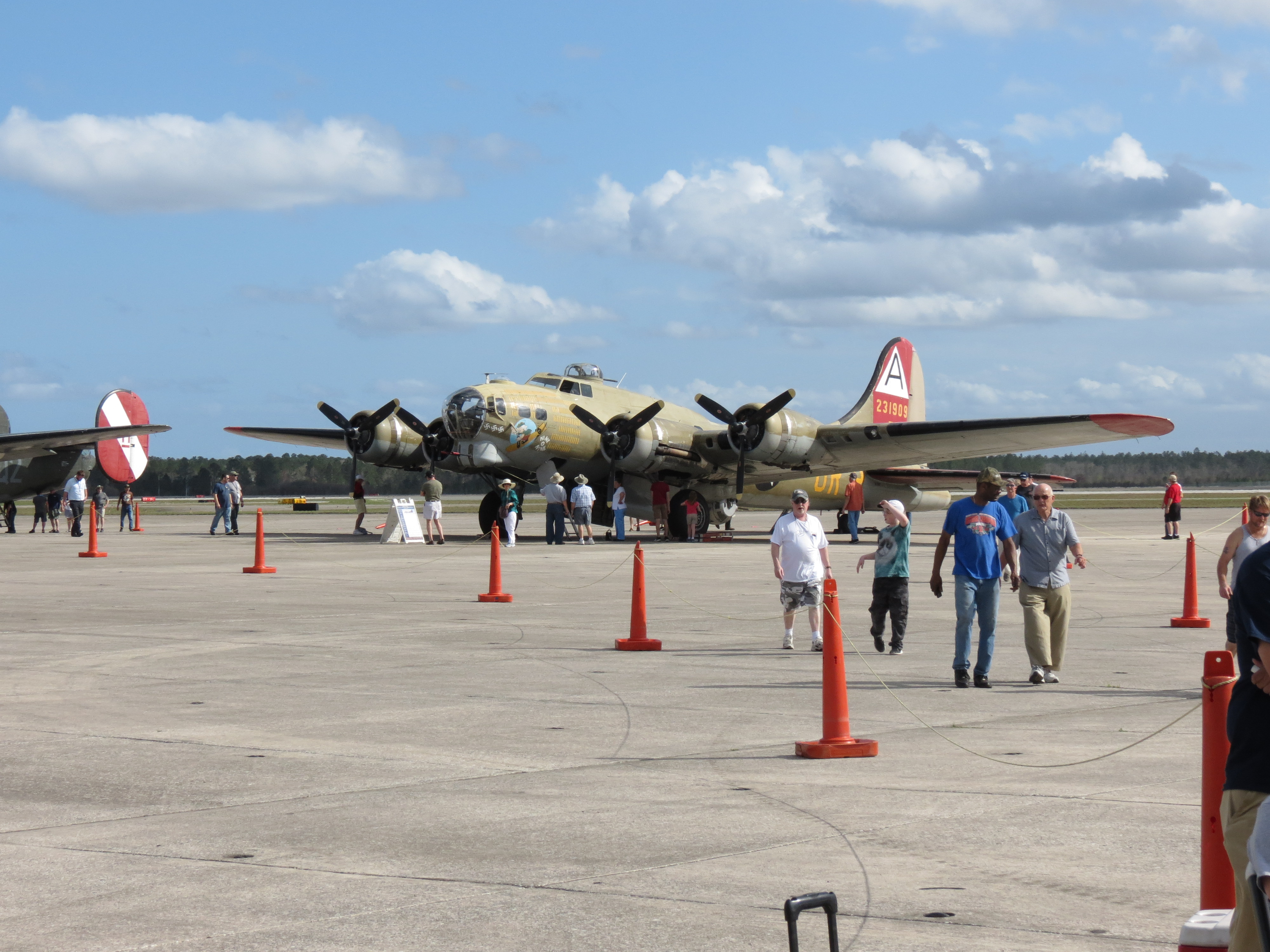
On Feb. 23, 2018, we drove out to Cecil Field to see the Collings Foundation’s Wings of Freedom 2018 tour. The main attraction for me was the B-17 G Nine-o-Nine. I’ve been fascinated with the B-17 from the time I began researching for what turned out to be my first published novel, Kitty’s War. In my novel, the hero is a navigator on a B-17 stationed in a fictitious air field in England as part of the U.S. Eighth Air Force.  

The B-17 G is a later version of the famous bomber which had the “chin” turret added in the front just below the navigator’s perch in the nose of the airplane. Since the German fighters often attacked the bombers from the front, flying straight into the formation, the designers added a gun position on the nose to fire at oncoming fighters.


The Plexiglas surrounding the bombardier giving him maximum visibility. He used the closely guarded Norden bomb-sight to zero in on the target and drop the load of bombs. When under attack from fighters, the bombardier fired the 50 caliber machine guns in the “chin” turret.

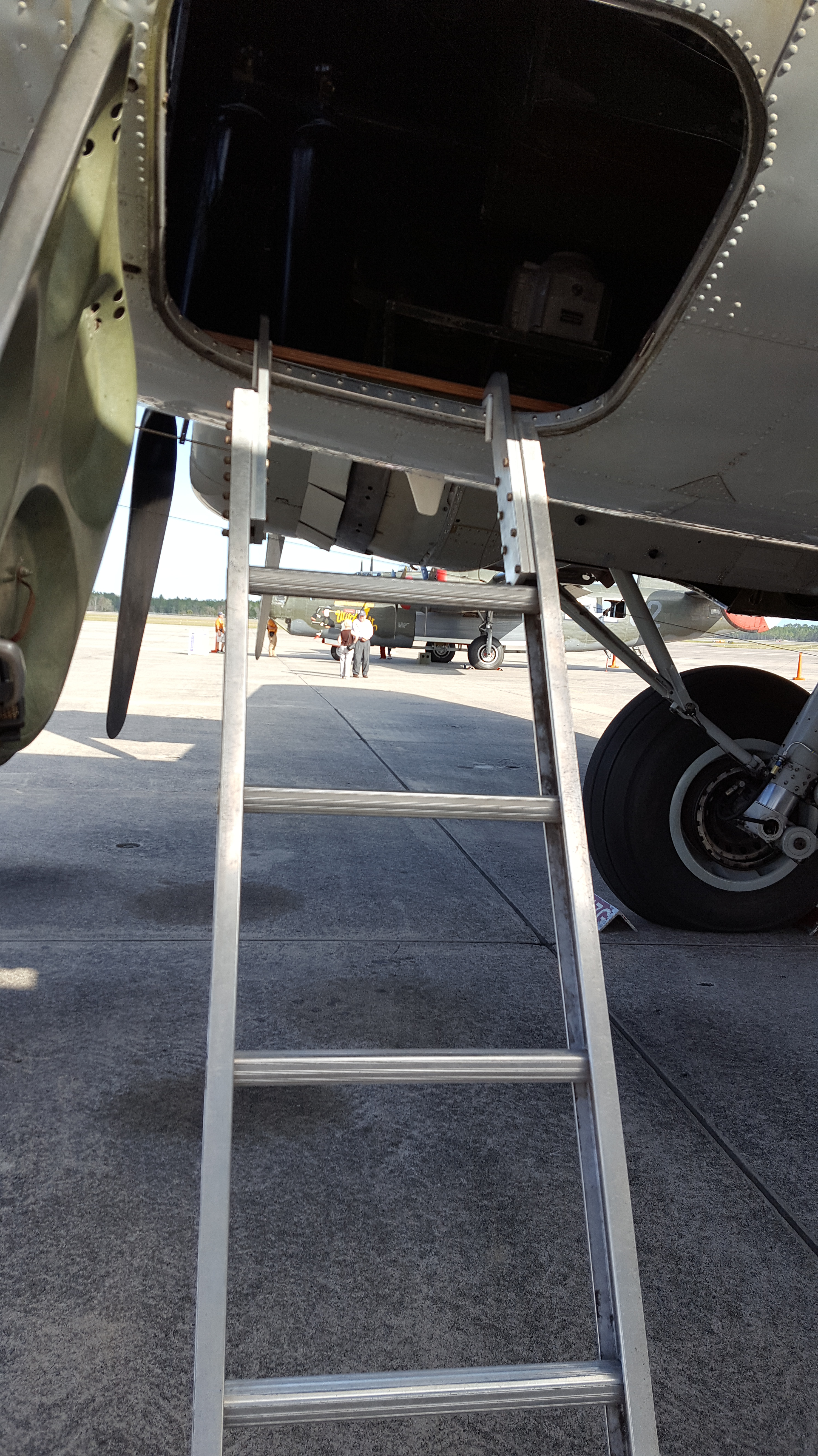
While the plane was still on the ground, I climbed inside to look around. This is the entrance the pilot, co-pilot, bombardier and navigator would have used to enter the plane. In movies and newsreels I’ve seen them jump up, grab hold of the top of the opening and pull themselves up into the bomber. The ladder makes it much easier.

Once inside, I moved forward into the nose. Straight ahead you see the bombardier’s seat. Note the ammo belts for the guns and the big wooden box for extra ammunition.  To the right of the bombardier’s seat are the controls for the “chin” turret guns. The navigator’s desk is behind the bombardier on the left. The navigator was also responsible for manning a machine gun.

The navigator would have carried maps marked up with the day’s mission. These would have been given to him in the briefing prior to taking off. Although the flight path for the primary target and the secondary target were already worked out, if something went wrong, the navigator would have to use the maps and his training to get the crew back to their base, or at least back to England.

Climbing back down I continued my walk around the airplane.

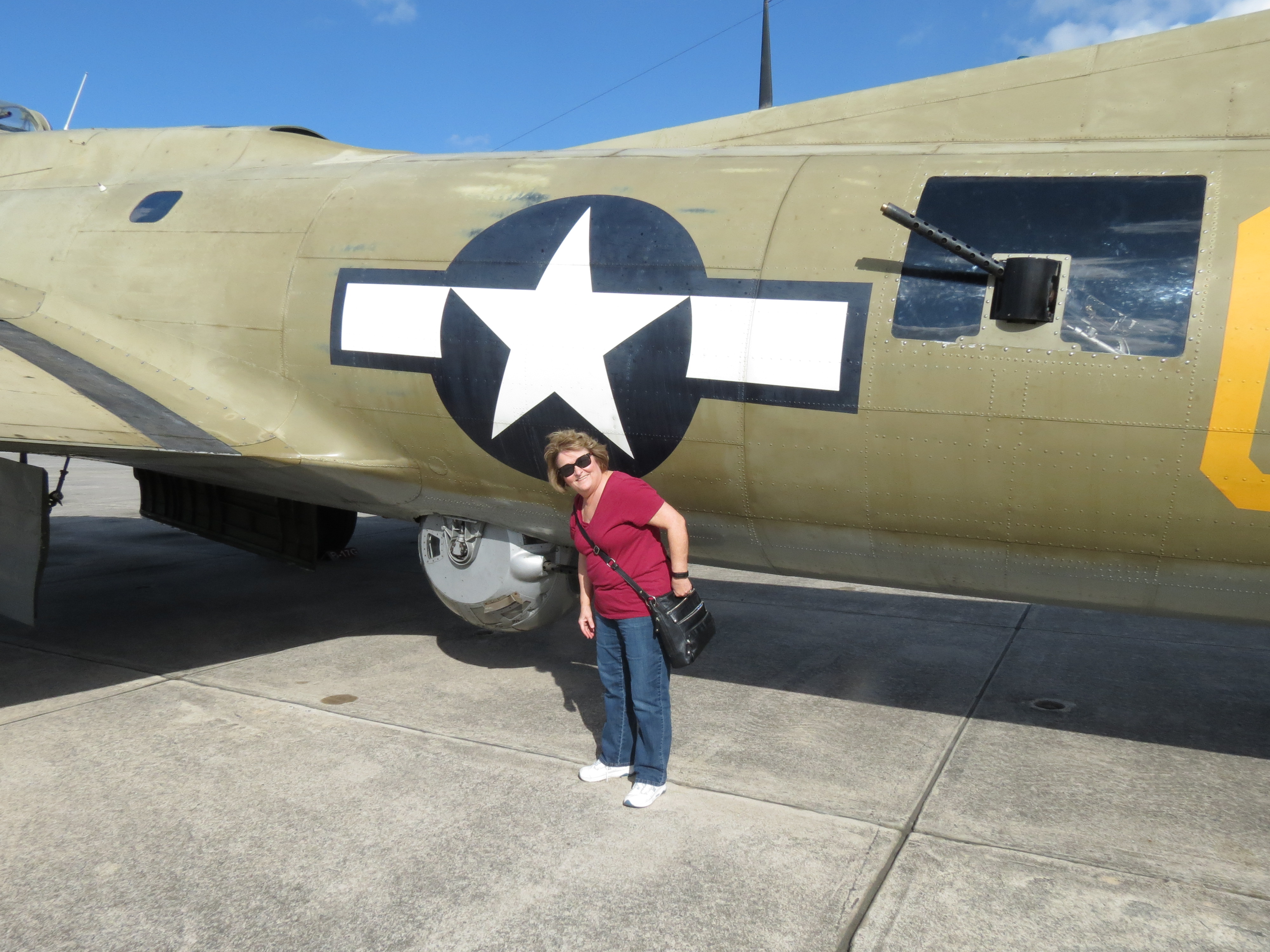
Behind the wing, the ball turret is visible beneath the fuselage. In this swiveling device, the ball turret gunner could swirl around and shoot in almost all directions. Shorter airmen manned the ball turret due to the cramped space in this position.

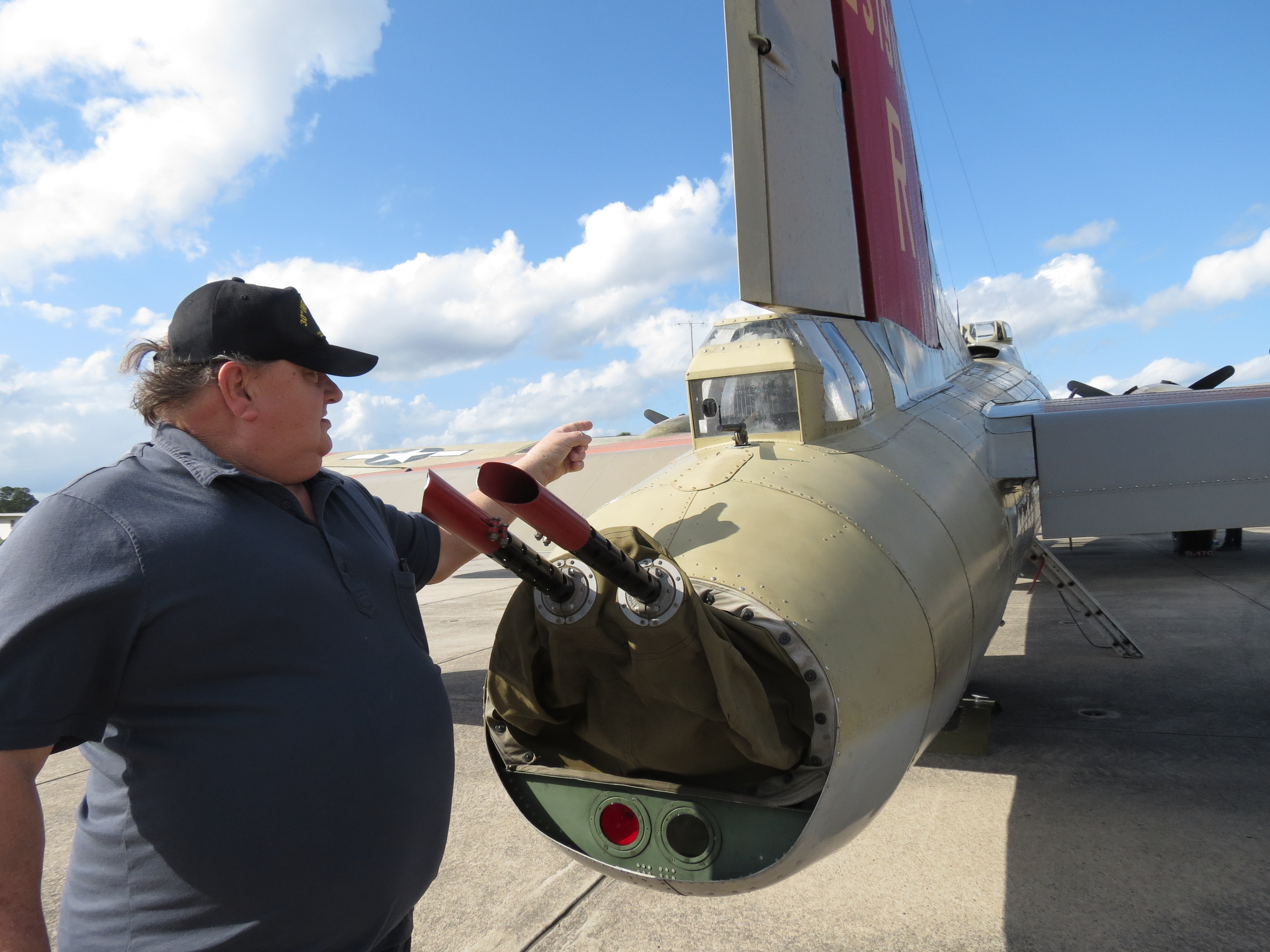
The tail gunner guarded the rear of the airplane. My husband is pointing to the gun sights in the small window. The sights would have been used to aid the tail gunner in aiming his guns. The Flying Fortress, as the Boeing B-17 was called, had thirteen 50 caliber machine guns which covered every direction to defend itself from enemy fighters.

The bomb bay doors were open as the B-17 sat on the ground. So I stooped down and looked up to get this shot of the “fake” bombs. Cool view!

Inside at the waist gunners’ positions you can see the seats added for those of us who would fly. The seats consisted of a small cushion to sit on and a larger one to lean back against. Looking through the plane from here, at the rear entrance, you can see the top of the ball turret, then through the radio room and into the bomb bay. The large yellow bottle-like container in the center of the photo is an oxygen bottle. This airplane was not pressurized. When the altitude reached about 5,000 feet the crew had to put on oxygen masks so they could breathe. The oxygen masks were attached by long tubes to numerous oxygen bottles throughout the plane. This aircraft was also not heated. The crew wore bulky, padded, electrically heated suits and gloves to stay warm and prevent frostbite at high altitudes.

.

The contraption pictured here is the “put-put.”  If you have read my novel, Kitty’s War, you will remember my reference to it during a mission when the plane is damaged. It is the back-up electrical generator used to provide vital power to systems if the main power supply from the engines was lost.

Here is a close up of one of the four, powerful, 1200 hp engines.

Finally, a parting shot of this beautiful bird. We had a great day both touring and flying in this fantastic B-17. Thanks to the Collings Foundation for restoring these historic aircraft and for keeping them in flying condition so that the public can see them and experience flying in a World War II vintage airplane.

Flight in a B-17

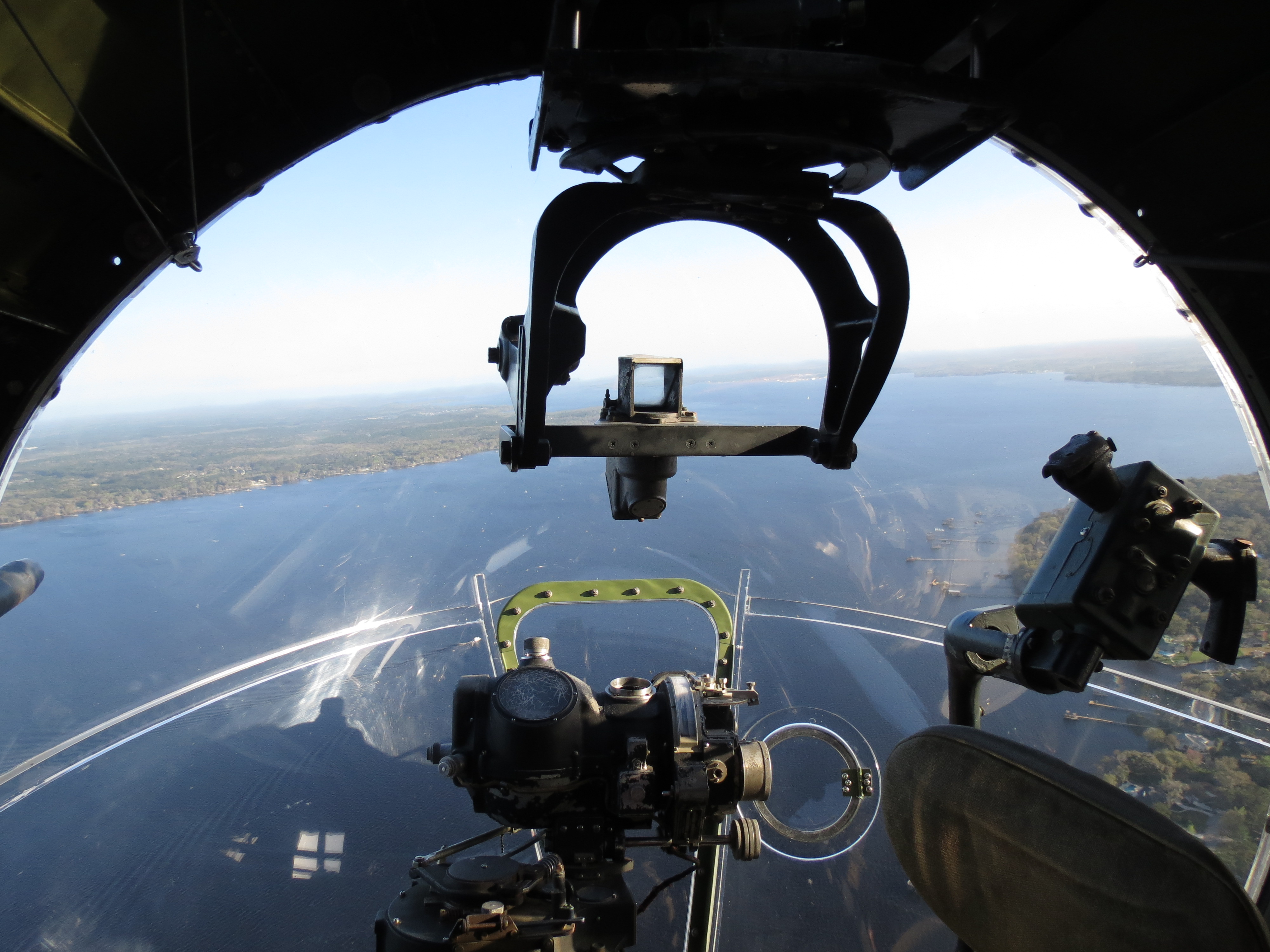
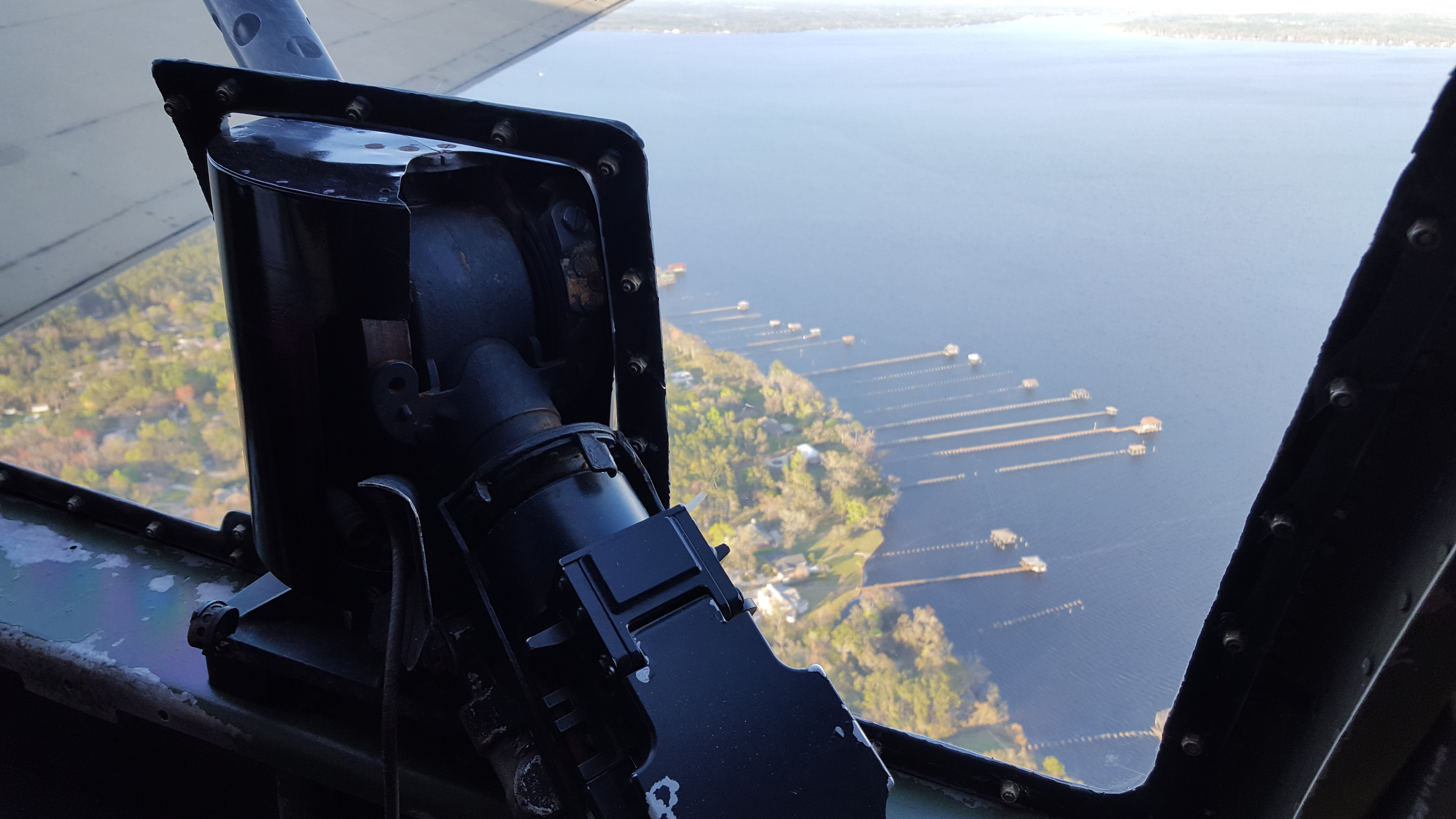
View of the St. Johns River from the Bombardier seat

What an incredible flight! My husband and I recently flew in “Nine-O-Nine,” a WWII vintage B-17 G owned and operated by the Collings Foundation. The B-17 along with a B-24 and a P-51 are touring the country as part of Collings 2018 “Wings of Freedom” tour.

Since I took so many pictures that I want to share, I will split them up into more than one post. I’ll start with the in-flight shots on “Nine-O-Nine.” The on-the-ground pictures will be in a later post.

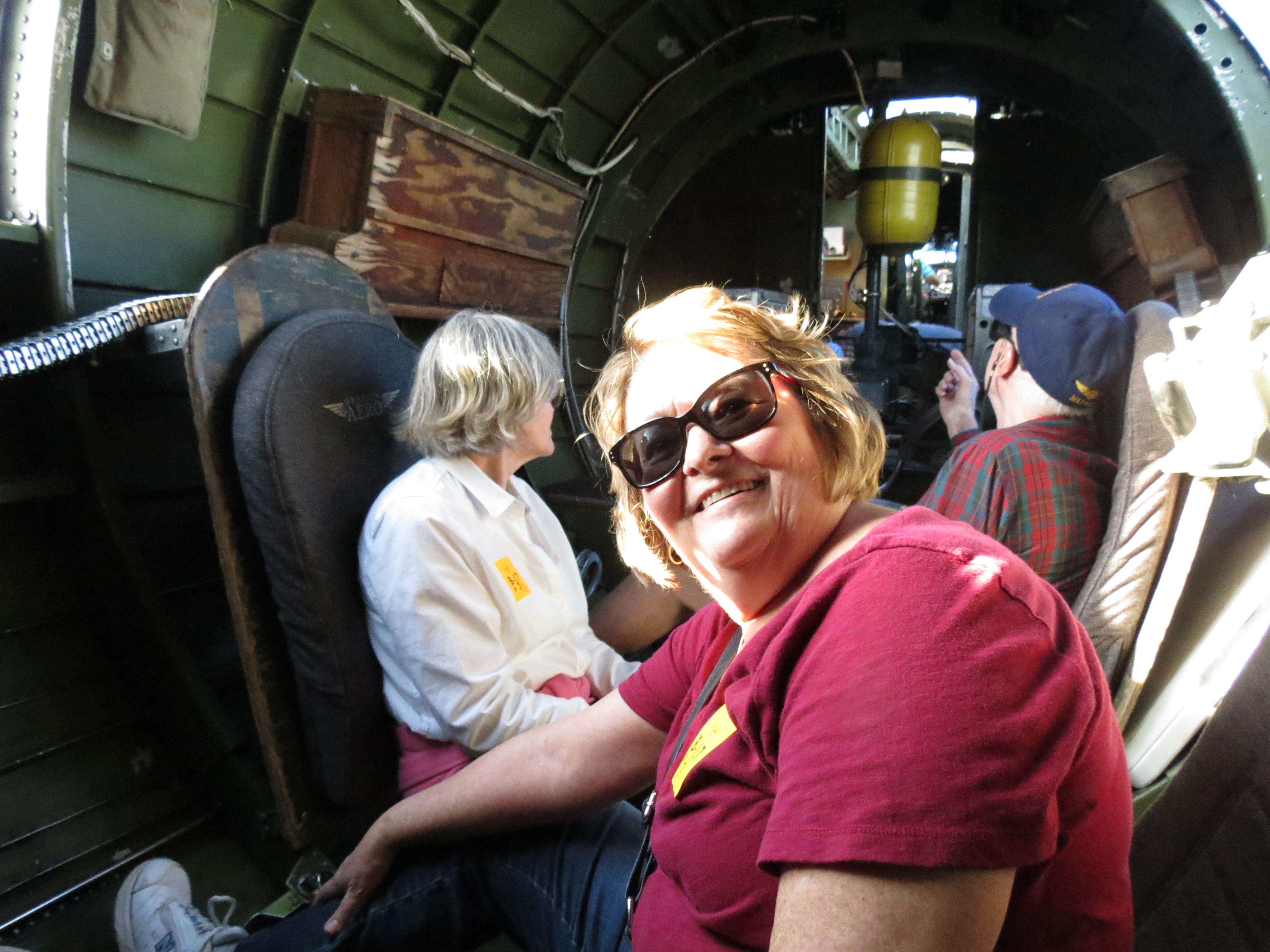
Let’s start with me waiting to take off.  Notice that we are sitting on the floor in the waist gunner positions. No luxuries here.

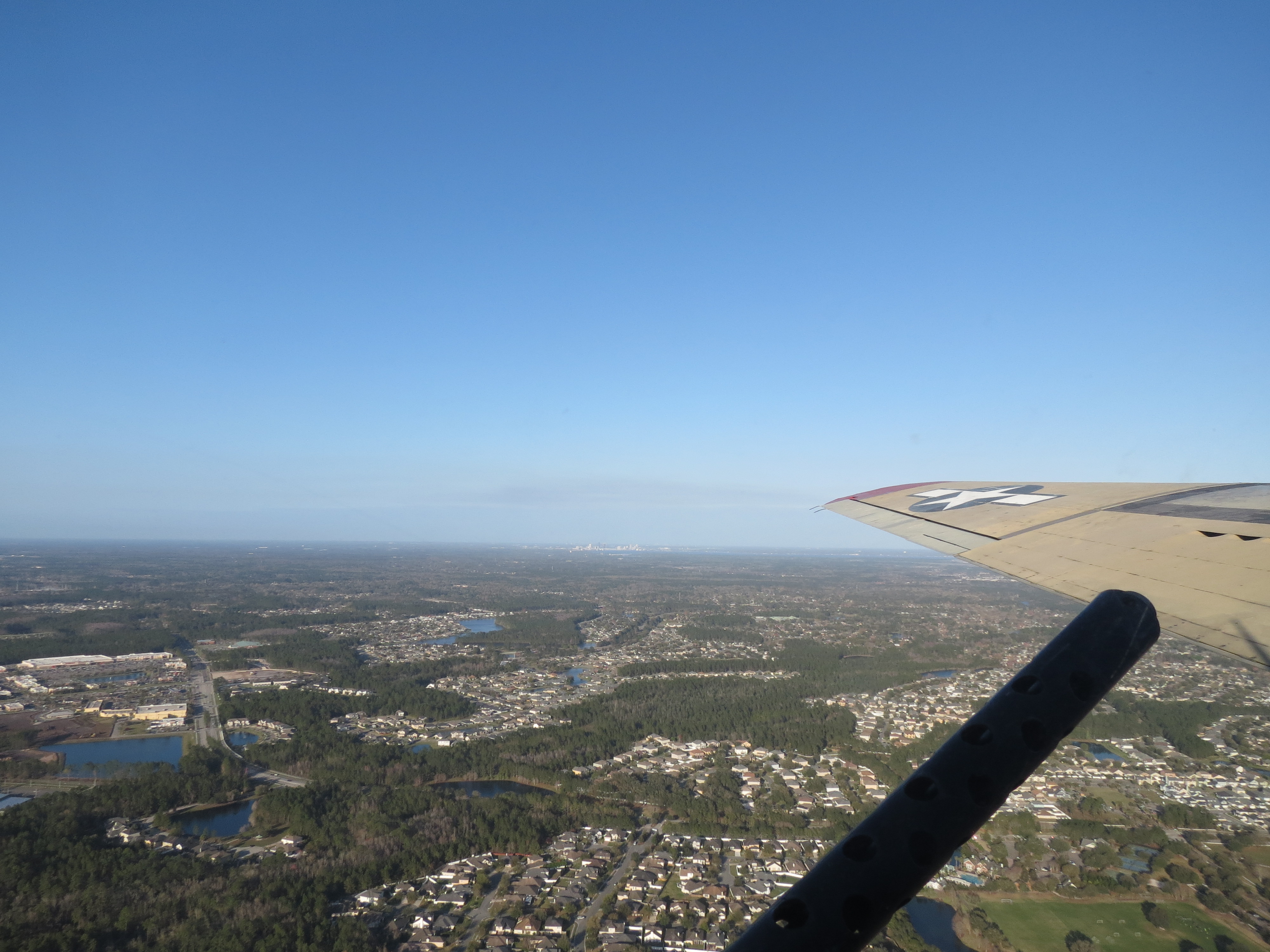
Once in the air we were allowed to move around in the plane so that’s what I did. Here is the waist gun position looking out over the wing. 

Next comes a view of downtown Jacksonville way in the distance. We flew out of Cecil Field so we were a few miles west of downtown. It’s in the mist but if you enlarge the picture you can see the skyline.

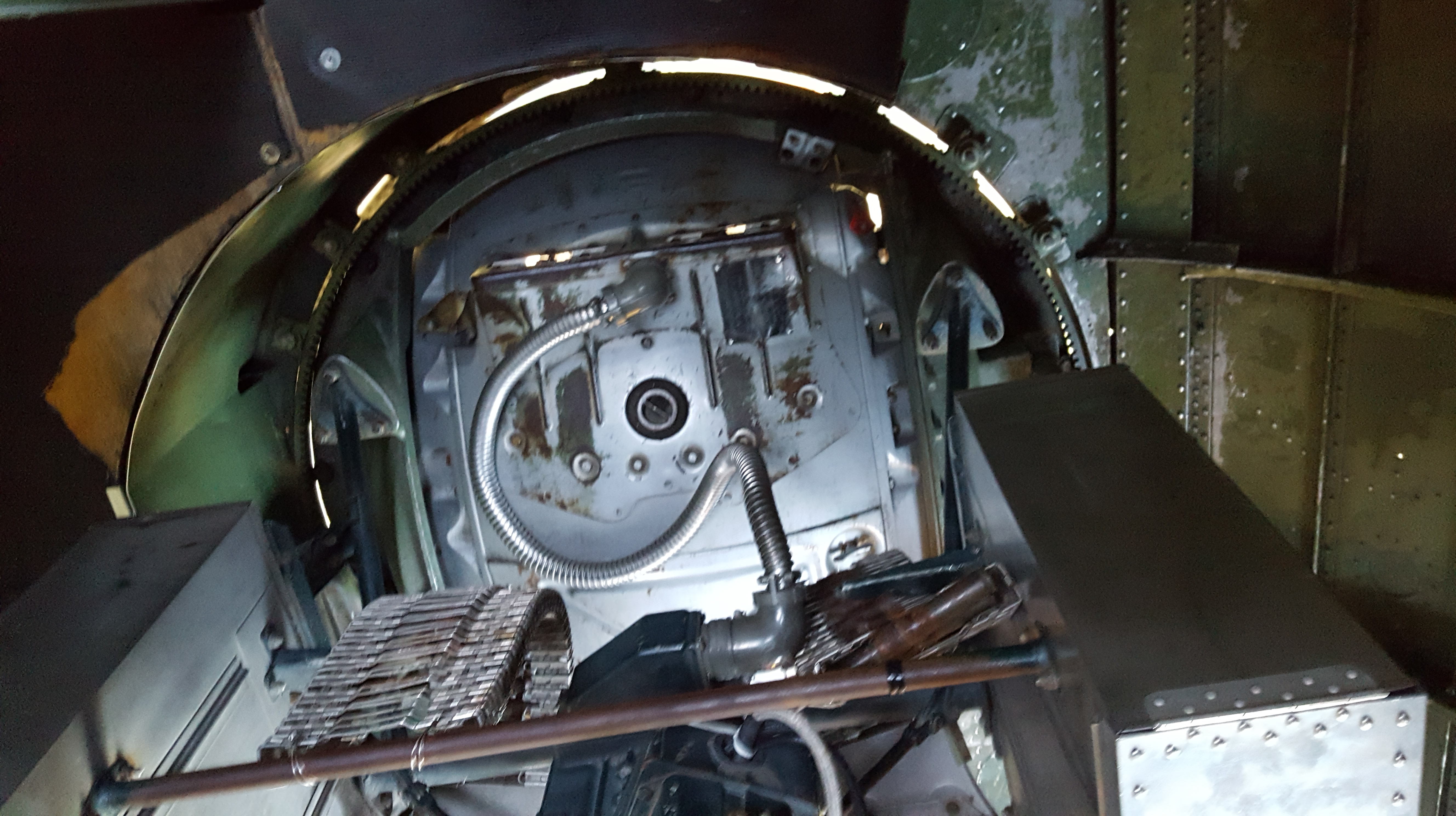
After getting my flight legs in the moving plane, I managed to find hand holds and made my way around the ball turret.  Looking down I could see daylight around the unoccupied gunner position. Not wanting to drop my cellphone when the plane made unexpected movements,  I decided to put it away and only use the camera hanging around my neck on what was proving to be an unsteady journey through the plane.

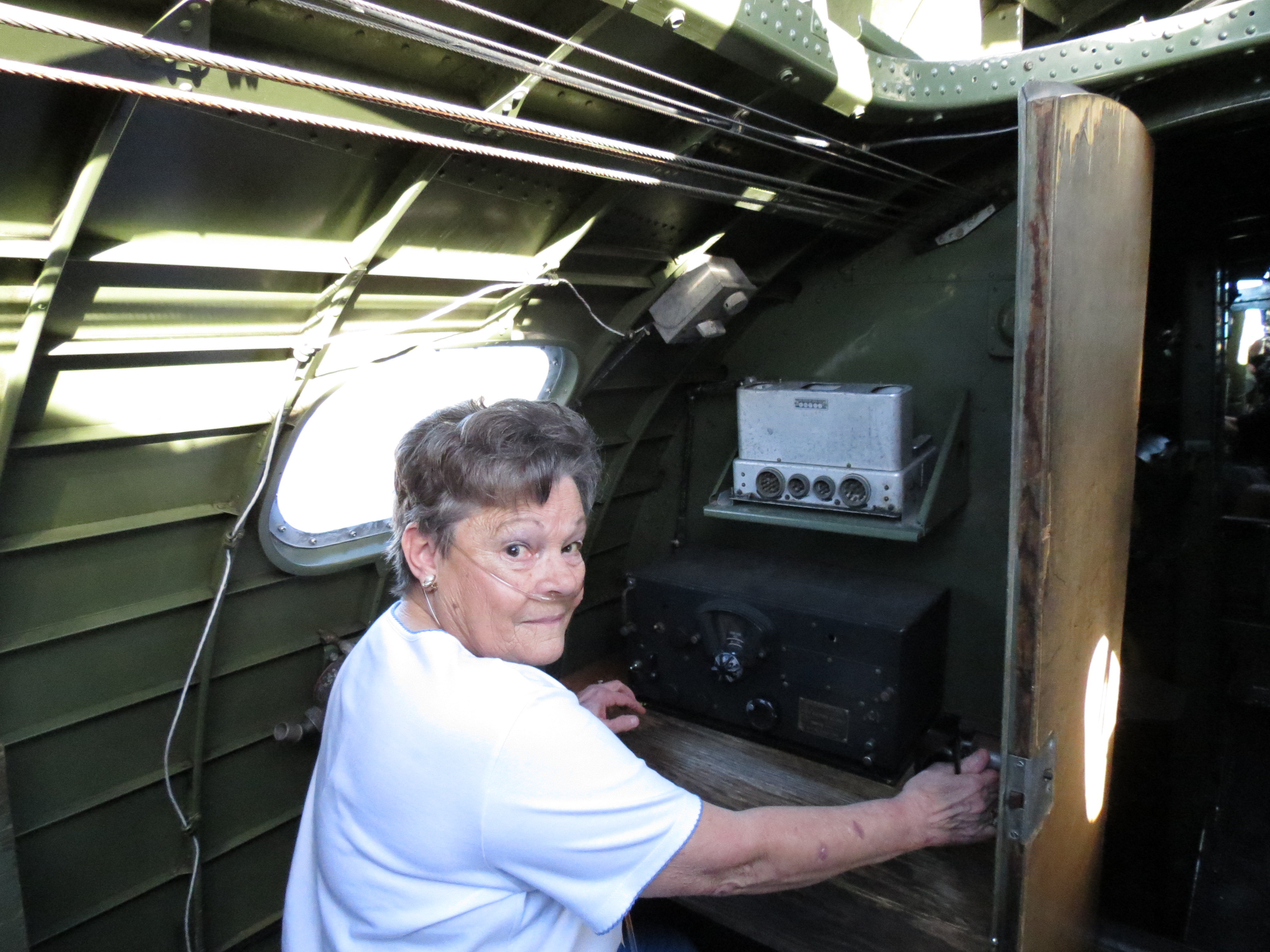
I moved from the waist gunner area forward into the radio compartment. There were eight passengers on board for our flight. This lady sat in the radio operators position. 

Beyond the radio compartment is the bomb bay. Notice the narrow walkway, just wide enough for my foot, and the small ropes to hold to steady yourself. The v-shape of the bomb supports made for a tight fit as I squeezed through grabbing for something solid to hold onto. Imagine having to do this at 20,000 feet with the bomb bay doors open. Not for the faint of heart.

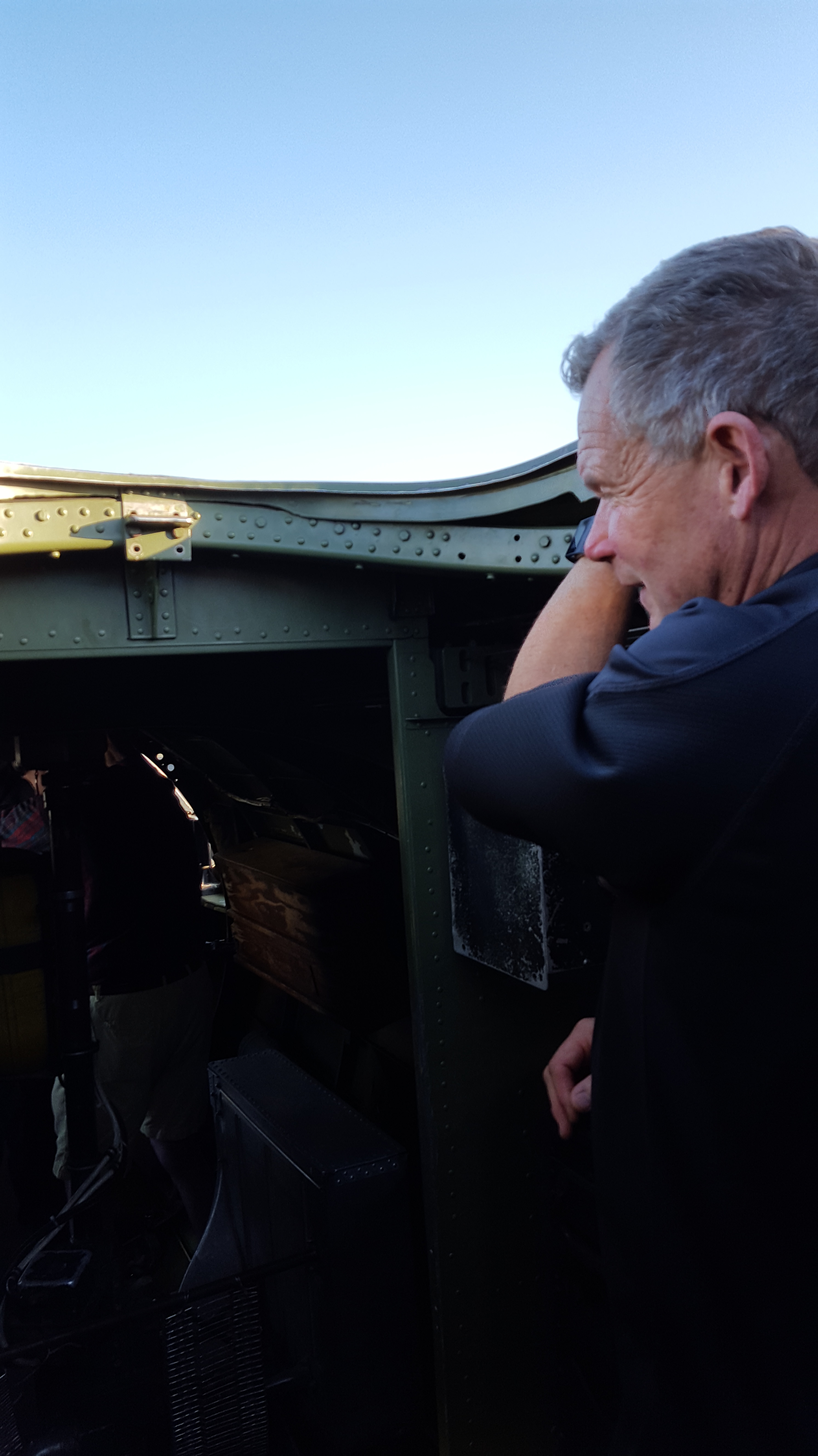
Beyond the bomb bay is the flight engineer’s position right behind the pilots. Here the top was open. Very windy for the passenger looking out. Out to the side the flight engineer could view the engines from his spot behind the pilots.

We were told not to talk to the pilots during the flight and, believe me, we all wanted them to focus on flying this large, four-engine airplane. They did a fabulous job. Notice that the co-pilot is a woman. Reminds me that the WASP pilots flew B-17’s around the U.S. during the war.

Now down into the small passageway leading to the nose. I had to drop down to the wooden surface, and then get down on my hands and knees and crawl into the nose where the navigator and bombardier sit.

Straight ahead is the bombardier’s position surrounded by Plexiglas.  Notice the gun sight in the center and the machine gun that he operated.

On the left side of the nose is the navigator’s desk. This would have been where the hero in my novel, “Kitty’s War,” sat. Again, there is a machine gun, not in the picture, that he fired when needed.

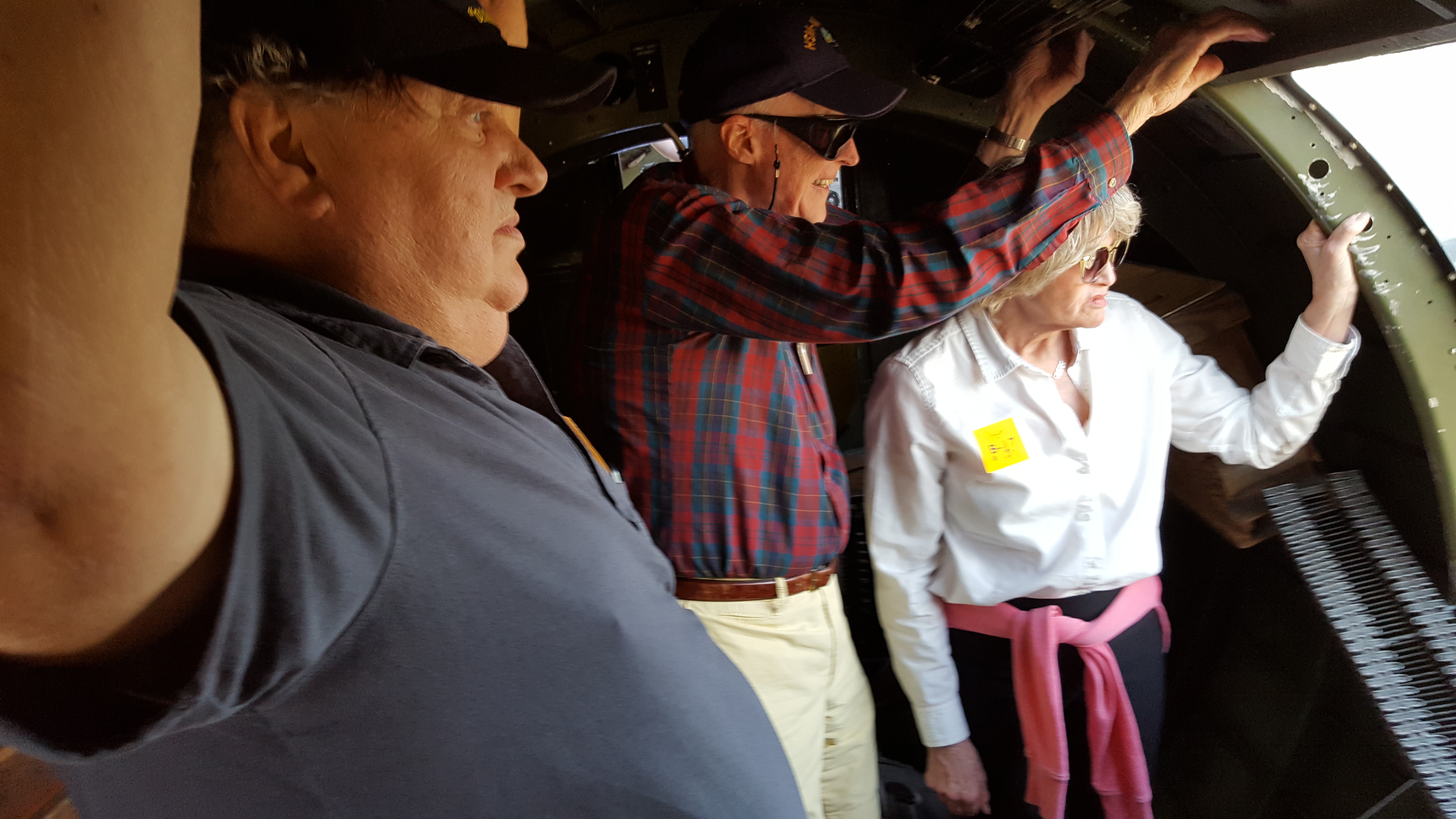
Back in the waist gunner positions my husband and two other passengers look out the windows. 

Another view out the windows at the river below as we head back to the airfield. 

And, finally, me standing in front of the gun at the waist gunner position with my wild “bomber” hair style. What a fun, once-in-a-lifetime experience. 


Battery B 276th Armored Field Artillery

We’ve all seen these group pictures taken when the men finished training or when they returned from overseas. Often we only glance at them. But for those of us whose WWII veteran served in the unit in question, we pull out our magnifying glasses or zoom in to see if we recognize the face of that one special young man. Was he your grandfather, great-uncle, great-grandfather, father, uncle or a close family friend? What did he look like back then? How old (or young) was he?

I recently received this group picture of the men in Battery B of the 276th Armored Field Artillery Battalion from a family member of one of the men. My Father-in-law was in Battery A, but I still enjoy looking at all these young faces. Zoom in and look at some of their expressions. They’re priceless.

The photo was taken at Camp Phillips, Kansas, after their training had been completed. From here they would go to Fort Riley, Kansas, for testing and then on to Tennessee where they participated in the Tennessee Maneuvers. The 276th was pulled out of the Tennessee Maneuvers and sent to Camp Campbell, Kentucky, where they were converted from a regular field artillery battalion to an Armored Field Artillery Battalion. In other words, their tow-behind guns were exchanged for track-mounted 105 mm howitzers. After a few months of training on the new equipment, the battalion traveled to Camp Shanks, New York, where they sailed for England.

The below link is to a hand-written document showing the names of most of the men in the photo.

WWII Docs 2

My list of 276th AFA family members is growing. If you are trying to find more information about your 276th AFA veteran or if you have something to share, please contact me.

And don’t forget, my novel, Kitty’s War, is still available in both print and ebook formats at Amazon, Barnes & Noble, iTunes , Kobo, and The Wild Rose Press.

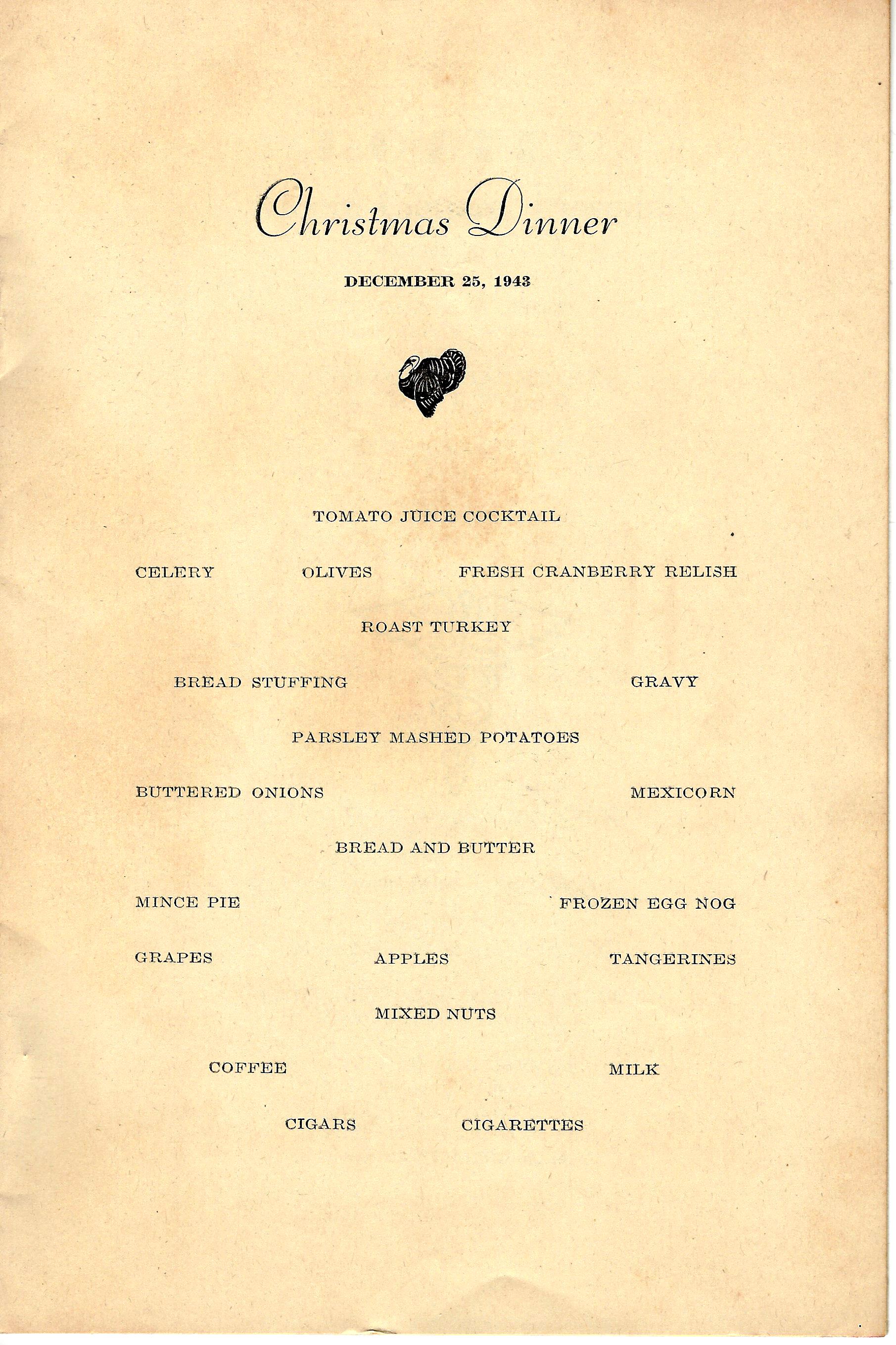
Christmas 1943 – Where were they?

Many of us associate December and WWII with the famous Battle of the Bulge in December 1944. I was wondering what was going on the year before, in December 1943. We had been at war for two years at that point. Where were the people and units I’ve written about with Christmas 1943 approaching?

On December 19, 1943, my father-in-law, Dewey Paul Whitaker, and the 276th Armored Field Artillery Battalion boarded a special train at Fort Riley, Kansas, for the Tennessee Maneuver area in Middle Tennessee east of Nashville. They had been at Fort Riley for battalion tests after training in Camp Phillips, Kansas. They arrived at Gallatin, Tennessee and from there they moved to a bivouac area in a meadow near Hickman, Tennessee, where, in the pouring rain and mud, they celebrated Christmas 1943.

My Dad, Vernon R. Knight, arrived at Moore General Hospital near Asheville, North Carolina, on Christmas Eve. This was his first hospital post after completing training in rehabilitation therapy at Camp Grant, Illinois. From a letter to my mother dated December 24, 1943, (his birthday), he wrote of the loneliness and disappointment he felt at being away from home for Christmas.

My Uncle D. T. ( Boots) Knight was in Camp Roberts, California, where the 947th Field Artillery Battalion had been stationed since December, 1941. The battalion had originally been part of the National Guard activated in late 1940. After two years in California they spent Christmas 1943  preparing to ship out. On December 28, 1943, the 947th Field Artillery Battalion moved to Camp Stoneman to prepare for departure, and then, on January 9, 1944, the battalion sailed from San Francisco on the USAT Seaflasher, destination New Guinea.

My Dad’s cousin, Herman Connell, was working in Bowling Green, Kentucky, after dropping out of high school. No doubt he traveled by train down the line to his hometown of Paris, Tennessee, and spent Christmas 1943 with his family. He would turn eighteen the following spring and join the Army. In March, 1945, he was killed in Germany.

At Camp Atterbury, Indiana, Frank Towers had reported to the 30th Infantry Division. He and his bride, Mary, celebrated Christmas in Indiana as the division prepared for shipment overseas. Through final training at Camp Atterbury, the division coalesced into a fighting unit before moving to Camp Myles Standish near Boston in February, 1944. After a short stay in Boston, the division sailed for England.

Christmas 1943 was the second, and in some cases the third, Christmas away from home for many of our military after the United States entered the war in December 1941. Those I’ve written about here were finishing training and would soon depart for battlefields overseas. Some would be home for Christmas 1945, but some would not.

We should all remember those serving in the military all around the world this Christmas. Like their counterparts in World War II, they are lonely and missing their families back home during this holiday season. Pray for their safe return so they can spend future Christmas’s at home with their families.


ETO in Early October 1944

What was going on in the European Theater of Operations during the first part of October, 1944? Sometimes it’s interesting to look at what was happening in different places at the same time. In early October the European front stretched from the Netherlands/Belgian/German border in the north to the French/German border near Metz further south.

On October 2 the 30th Infantry Division launched a full-scale attack on the Siegfried Line east of Maastricht, The Netherlands. The Germans had retreated from France, Belgium and the southern part of the Netherlands to make a stand at the long string of reinforced pillboxes and tank traps along their western border. Edward Arn, in his book “Arn’s War,” describes the grisly death of his commander, Captain Melvin Riesch, that day during the attack on Rimburg Castle which caused Arn’s elevation to commander of Fox Company, 119th Infantry Regiment. Fox Company, along with the rest of the 30th Infantry division would go on to attack the German City of Aachen from the north flanked by the 29th Division and the 2nd Armored Division. The 1st and 9th Infantry Divisions attacked Aachen from the south. The city surrendered on October 16 , 1944 and was the first major German city to fall to the Allies.

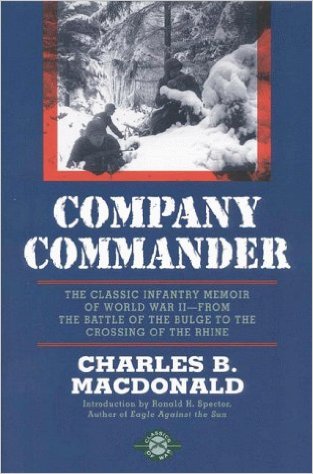
On October 3rd, Lieutenant Charles McDonald crossed the German border and joined his new command, Company I of the 23rd Infantry Division in the Schnee-Eifel forest east of St. Vith, Belgium. McDonald wrote of his baptism by fire during the next few weeks in his classic memoir “Company Commander.” His account of the desperate fighting along that portion of the Siegfried line and his shockingly rapid introduction to life in combat as a Company Commander provides such a vivid picture that you feel you are there with him.

From September 10 through October 15, 1944, the 276th Armored Field Artillery, which included my father-in-law, was supporting the 2nd “Free” French Armored Division. They took positions near the Foret du Parroy, east of Nancy, France, on September 23 and remained in that position until October 15 providing supporting fire for the French Division as well as the nearby 79th Infantry Division. The 4th Armored Division was also in this area near Nancy. All were part of General George Patton’s command.

Back behind the lines, PFC Mollie Weinstein, had settled into her quarters in a hotel in newly-liberated Paris. The WAC provided clerical support for the Army and in her free time explored the famous city. Her memoir, “Mollie’s War,” includes letters she wrote home describing her experiences including meeting GI’s who’d landed on D-Day at a USO provided entertainment event and the plight of civilians in liberated Paris. Although news reports predicted the war would be over by Christmas, Mollie joked that she wouldn’t be home until 1946. The WAC’s instincts were right. It was November, 1945, before Mollie was shipped back to the states.

In early October,1944, the news from Europe sounded good to the folks back home. Paris and most of France had been liberated. The Siegfried Line had been breached and the city of Aachen taken. Although the port of Antwerp had fallen to the Allies in September, fortifications along the estuary leading to the sea blocked the port until November. Supplies were still being unloaded on the Normandy beaches and trucked across France by the Red Ball Express. Shortages slowed the Allies advance as the Germans fought to defend their borders. The war in Europe would go on for another seven months.


The Best Years of Our Lives – The Movie

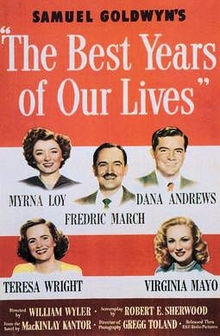
One of my favorite movies is “The Best Years of Our Lives.” Released in 1946, it’s not about the fighting during World War II. Instead the movie tells the story of three servicemen returning to their hometown after the war. The three main characters are very different yet their journey home together forms a bond between them.

Captain Fred Derry, played by Dana Andrews, was a poor kid who worked as a soda jerk before the war. In the Army Air Corp he rose to the rank of Captain and served as a bombardier on a B-17. While in uniform, he married a pretty blonde (Virginia Mayo) who went to work in a night club after he left and had a high old time while he was away. She still wants to party with her handsome, uniformed soldier while Fred wants to settle down and find a job. Unfortunately he’s not qualified for most civilian positions and can’t compete in a market flooded with returning GI’s.

Sergeant Al Stephenson, played by Fredric March, was an up-and-coming banker until Uncle Sam put him in the Army. When her returns he barely knows his wife (Myrna Loy), his grown-up daughter (Teresa Wright) and his teenage son. The children have grown up while he was gone. He reluctantly returns to the bank with a new attitude about what is important.

The third serviceman is the young sailor Homer Parrish, played by real injured veteran Harold Russell. Homer, who had been a high school football player, lost his hands in a naval battle. He has learned to use the hooks the Navy gave him and dislikes being treated like an invalid. The pretty girl-next-door waited for him and still wants to marry him but Homer doesn’t want to burden her with his disability. Hoagy Carmichael, as Homer’s Uncle Butch, adds color to the story by playing piano in his bar where the three men meet up.

The movie trailer for “The Best Days of Our Lives” bills it as full of romance. There’s Homer and his girlfriend who resolve their differences and get married. The middle-aged couple, Al and Milly, become reacquainted and fall in love all over again. And the main romance between Fred and Al’s daughter, Peggy. Attracted to Fred, she sees that his wife doesn’t really care about him, so she decides to break up the marriage. Fred finally sees his wife for the gold digger she is. He cares for Peggy but without a job he has nothing to offer her. But don’t worry, there is a happy ending for Fred and Peggy, too. You’ll have to watch the movie for the tear-jerker ending.

One of the most visually impressive scenes in the movie shows acres and acres of airplanes, both bombers and fighters, waiting to be demolished and recycled. The sweeping scene is like viewing a vast military cemetery and remembering the former glory of those buried there. All my research on the 8th Air Force makes this an emotional scene for me.