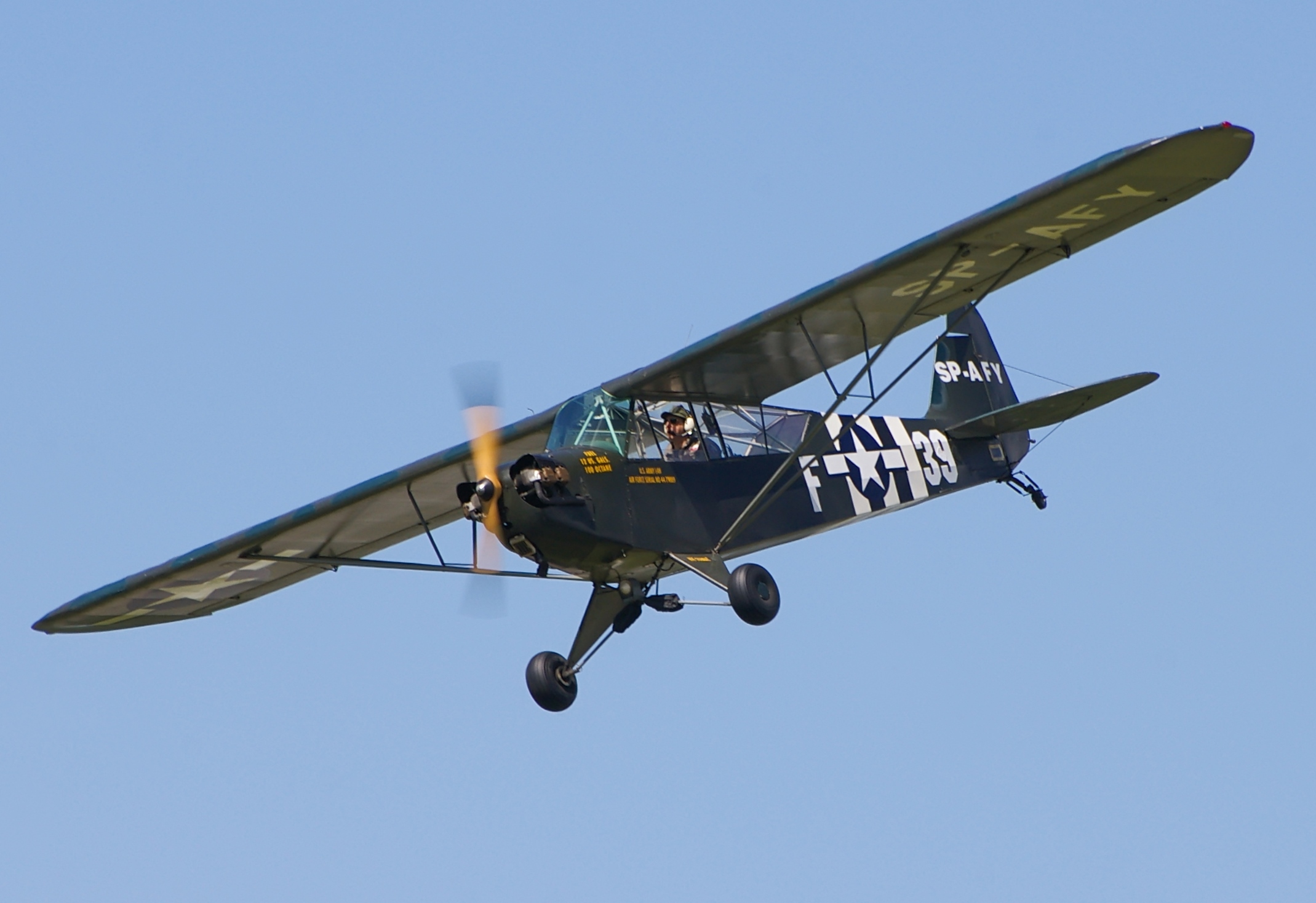
The Little Piper Cub Goes To War

By Łukasz Golowanow & Maciek Hypś, Konflikty.pl - commons file, CC BY-SA 4.0, https://commons.wikimedia.org/w/index.php?curid=68294900
By Łukasz Golowanow & Maciek Hypś, Konflikty.pl – commons file, CC BY-SA 4.0, https://commons.wikimedia.org/w/index.php?curid=68294900

Have you ever flown in a small plane? Not substantial enough for me. I’d rather be in a bigger plane like an airliner or a B-17 bomber. Yet the iconic Piper Cub made history in both military and civilian aviation.

Imagine flying in a tiny Piper Cub over enemy lines scouting for artillery targets. That’s what happened during World War II. The small plane was perfect for the job. It flew fairly slow yet it was highly maneuverable. It could fly as low as the tree-tops and had good visibility for observing enemy positions. An observer could ride behind the pilot calculating coordinates and radioing the artillery with instructions. They would even stick around to make sure the artillery shells hit their target and adjust fire if necessary.

But when the enemy started shooting at the Piper Cub, the little plane had no defense – no fire power, no armor protection, nothing. The pilot might have brought along a Tommy gun or a pistol, but that was it. Not enough to really defend itself. All the pilot could do was maneuver and hope they didn’t get hit. And all it took was a rifle or machine gun round in just the right spot and down it went. Then you had a pilot and observer, if they survived the crash, either taken prisoner or evading capture until they could make their way back to friendly forces.

Before the war, the Piper Cub was primarily used for training. Most of the pilots in the U.S. Military learned to fly in a Piper Cub. Once the military saw how useful it could be, they designated it the L-4 Grasshopper and production ramped up. The military used it for things like carrying messages, ferrying high ranking officers, transporting wounded and training new pilots. By far, its value for reconnaissance, observation and as a spotter for the artillery exceeded the other uses. Additionally, it could land or take off on a short section of road or a small field. The L-4 Grasshopper was used in North Africa, Europe, and in the Pacific Theater where the Navy, as well as the Army, took advantage of its many uses.

DAYTON, Ohio — Piper L-4 “Grasshopper” at the National Museum of the United States Air Force. (U.S. Air Force photo)

In Europe, the Germans learned to fear the Piper Cub more than any other airplane. When they saw this little plane flying over, they knew it would be followed by an artillery barrage. Unlike the Germans or the Japanese, the American artillery could concentrate fire from many different artillery battalions due to their system of communication. And depending on the target, the Americans could bring to bear an enormous amount of fire power. Also, the American artillery shells had “Proximity Fuses.” These could be set for the shell to explode above ground to expand its effect, set to explode on impact or set to delay the explosion, tricking the enemy into believing it was a dud. No wonder the enemy feared the American artillery and the little Piper Cub.

I first learned about the Piper Cub and its use for artillery observation while researching the 276th Armored Field Artillery Battalion. The Battalion had two liaison pilots assigned to them along with two Piper Cubs. The pilots must have rotated because several were listed in the 276th History as receiving Air Medals and many with Oak Leaf Clusters meaning they received the medal multiple times. The pilots were 1st Lieutenant Charles R. Lindgren, 1st Lieutenant Dwight W. Jewett, 1st Lieutenant John B. Blazak, 1st Lieutenant Ward R. Price, Master Sergeant John C. Taylor, Jr. , and 1st Lieutenant Frank W. Zachman who also received the Silver Star. No doubt these men earned their medals for the perilous missions they carried out.

To learn more about the “Little” Piper Cub, watch the videos below.
Build A Highway Where? To Alaska!

You want to build a highway through Canada to Alaska? Why? That was the question in the 1920’s and 30’s when the highway was first proposed. Few people lived in the area and the economic impact didn’t justify the cost. Needless to say, there was little interest in such an enormous project.

By the time World War II started the Americans acknowledged the strategic military importance of a land route from the lower forty-eight states to the U.S. Territory of Alaska. If Japan invaded Alaska and/or blockaded the ports, there needed to be another way to get men and supplies to Alaska to defend the American territory closest to the Japanese homeland.

The U.S. Corps of Engineers was assigned the task of building the road which was officially started in March, 1942, when seven engineering regiments arrived in Dawson Creek, Canada. The railroad ended at Dawson Creek so this was designated the starting point for the Alaska Highway. Three of the seven regiments consisted of African-American soldiers and the other four regiments consisted of white soldiers. At that time, the U.S. Armed Forces were segregated so these regiments were kept separate. About 10,000 men were assigned to building the highway.

The engineers plowed through the Canadian wilderness following only trails. They had to adapt to the climate and learn how to keep their equipment running in the cold weather. The men lived in tents so conditions were not ideal for anyone.

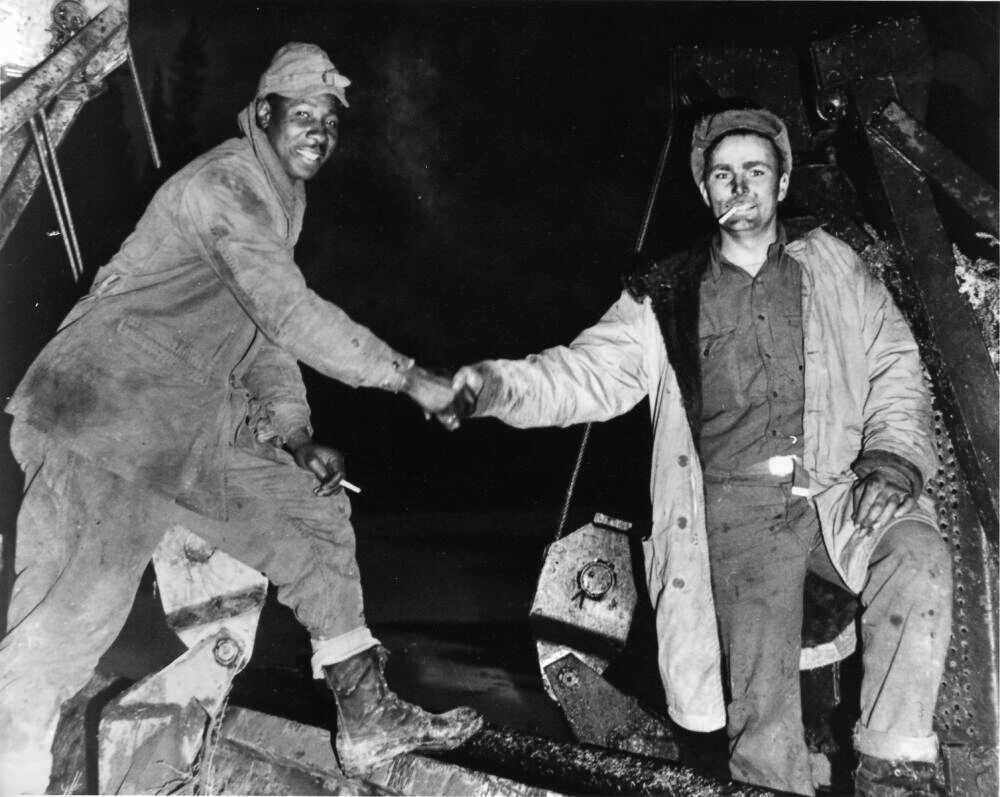
Work proceeded in opposite directions from designated points along the route of the highway. At one point, an African-American regiment worked in one direction toward a white regiment. The iconic picture above shows the representative from the 97th Engineers Regiment shaking hands with the representative of the 18th Engineers at the point where they met at Beaver Creek, Yukon Territory, Canada. The meeting, on October 25, 1942, completed the last section of the road. It had taken only eight months to build a 1500 mile road through the wilderness of Canada and Alaska.

For more information you can follow this link to a PBS article about building the Alaska Highway and this link to another PBS article about the men who built the highway.

Watch the video for a visual account of building the Alaska Highway. These color images vividly show the terrain the engineers faced, as well as their hard work and dedication to this vital war project.

If you are still interested and want even more information about the Alaska Highway, watch this longer, more detailed documentary.

From Here To Eternity

I’ve just finished reading From Here To Eternity by James Jones, as I continue to read both current and older novels about World War II. From Here to Eternity is set in Hawaii in the year leading up to and including the Japanese attack on Pearl Harbor. It depicts the soldiers of the “old” Army, their training and life while stationed at Scholfield Barracks on Oahu.

In writing From Here To Eternity, Jones drew on his own experiences serving in the Army at Schofield Barracks in Hawaii. An eye-witness to the Japanese attack on December 7, 1941, Jones used that involvement to create the plot and characters in From Here To Eternity. The realism in the book could only have come from living through the events.

As his first published novel, From Here To Eternity became a best seller and won the National Book Award. That was quite a feat for a new novelist even in 1952.

Not only was the novel a success, Hollywood made it into a block-buster movie in 1953 starring Burt Lancaster, Montgomery Cliff, Deborah Kerr, Donna Reed, and Frank Sinatra. With this illustrious cast and Director Fred Zimmerman, the film version of From Here To Eternity won eight Academy Awards, including Best Picture, Best Director, Best Screenplay Adaptation, Best Supporting Actor (Frank Sinatra) and Best Supporting Actress (Donna Reed.) You definitely need to see this film, if you haven’t already.

By “Copyright 1953 Columbia Pictures Corp.” – Scan via Heritage Auctions. Cropped from original image., Public Domain, https://commons.wikimedia.org/w/index.php?curid=86221992

James Jones planned to write a World War II trilogy, From Here To Eternity being the first of three. Later he wrote The Thin Red Line published in 1962 and based on his experiences fighting in Guadalcanal. The Thin Red Line was another success, and it, too, was made into a movie in 1964 and again in 1998. Most of you will remember the 1998 version starring Sean Penn, Nick Nolte and Jim Caviezel, although I also recommend the 1964 version.

The third novel in the trilogy, Whistle, comes from Jones’s experiences recovering from his wounds in a veterans hospital in Memphis, Tennessee. Jones did not finish Whistle before his death of congestive heart failure in 1977. His friend and associate, Willie Morris, completed it from Jones’s volumes of notes and published it in 1978. I’ve read this one, too. Few novels or films show WWII wounded veterans recovering state-side. Whistle gave me insight that I later used in my novel Scarred Dreams.

I highly recommend From Here To Eternity. Note that writing styles were different in the early 1950’s. Also, Jones uses improper grammar and misspelling intentionally as a way to convey the characters level of education and background. If this bothers you, be aware and be prepared. I found the reading a little more difficult due to the style so it took longer to read, yet the novel, over all, is excellent. You will definitely want to read it. From Here To Eternity is truly an American classic.

Entertaining the Troops in WWII

The soldiers sat on the ground as close together as possible. Behind the sitting throng, men stood several deep vying for position. They talked and joked among themselves as they anxiously waited. The crowd had anticipated this special occasion for days. A USO show had come from the states all the way out here just to entertain them, the lucky ones off the front lines for a few days rest.

The band on the makeshift stage played the introductory music. Someone came up to the microphone and enthusiastically introduced Bob Hope, the famous comedian, movie and radio star. When Hope came on stage, the crowd went wild with applause, whistles, and shouts. Hope reveled in the reception and bowed to thank everyone. Finally, he held up his arms to settle them down. A string of jokes followed. The audience laughed and clapped. Then he introduced a beautiful, well-known singer, Frances Langford. Again the boys went wild. The band started up and Frances began to sing an old, familiar tune that quieted the audience as it took them back to happier times.

Could you imagine being far from home, fighting a war, in fear for your life and a troupe of famous entertainers appeared to perform for you? At a time when Bob Hope’s radio show was number one in the U.S. and Frances Langford was a popular recording star, they took time from their successful careers to travel into dangerous territory to bring laughter and joy to service personnel. Hope’s tours included musicians, comedians, magicians, actors, singers and always beautiful women like Dorothy Lamour and Marlene Dietrich. Bob Hope’s shows went to North Africa, Italy, Europe and the South Pacific. These shows began Hope’s lifelong commitment to entertaining service men and women wherever they were stationed around the world.

Watch this history of Bob Hope’s history entertaining the troops.

Many more entertainers, both famous and not so famous, trekked to bases at home and around the world doing their bit for the war effort, mostly with the USO.

The USO, United Service Organizations, created the USO Camp Shows, Inc. in October 1941 to meet the live entertainment needs of the military. It was divided into four circuits to provide live entertainment for different areas. Victory and Blue Circuits entertained the state-side military. The Hospital Circuit entertained the wounded in military hospitals while the Foxhole Circuit traveled overseas. All kinds of entertainers were recruited to join these circuits throughout the war.

Dinah Shore entertains troops in France in August 1944. Photo Credit USO

The list of entertainers who performed for the USO Camp Shows, Inc. would go on and on. Every famous film actor, radio performer (TV didn’t exist then), singing and recording star, and Broadway stage performer took part. Less famous entertainers went to smaller venues with next to no publicity. These famous and not-so-famous entertainers staved off the boredom and homesickness of innumerable military personnel.

The tradition of providing the American military with live entertainment continues today. We hear about singers, actors, comedians and other celebrities entertaining our troops, such as Jon Stewart, Scarlet Johanssen, Trace Adkins, The Chain Smokers, and so many others. Bob Hope may be gone but the tradition he started carries on today.

Jeep – The Iconic Vehicle of WWII

Do you drive a Jeep? Does a friend or family member? Almost everyone has had some experience with a Jeep. How did this vehicle become so much a part of our culture?

On the left, in the jeep, is President Franklin Roosevelt. Standing on the right is General George Patton.

The American infatuation with the jeep started during World War II when the Army wanted a small, four-wheel-drive vehicle. They sent out a request for designs giving the companies mere days to respond. Only three companies responded: Willys-Overland, Ford and Bantam. A designer with Bantam sent in the first design which the military liked so much they asked Ford and Willys-Overland to replicate it and produce prototypes. The prototypes were put through the wringer with every test the Army could come up with. The little vehicle performed like a champ. All three companies were given contracts to build the jeeps, with the requirement that all the parts must be interchangeable. During the war over 600,000 were produced.

The beginnings of the jeep.

Jeeps were used in every theater of the war – from Europe to Africa, from Hawaii to Singapore, from Australia to Japan, and everywhere the Allies went around the world. The servicemen and women loved this little vehicle. It was used to simply transport soldiers, as a reconnaissance vehicle and as an ambulance. It towed artillery pieces and ammo trailers. Female drivers chauffeured officers in jeeps. On air bases the jeep carried pilots and crew members to their airplanes. Even the Navy used jeeps on their naval bases.

The jeep went practically anywhere. It traversed swamps, mountains, deserts, snow and jungles. You didn’t have to be much of a mechanic to work on it on the rare occasion it wouldn’t run and parts were easily available thanks to the early planning. The tough vehicle became indispensable.

The designers and manufacturers of the original military jeep never imagined that this little utility vehicle would become a major automotive brand. After the war, ex-servicemen bought up surplus military jeeps. Willys created a civilian version in 1945 and the four-wheel-drive craze began. Over the years the jeep evolved into the SUV’s we drive today.

Honoring Veterans In Our Family

Thanks to all the men and women who have served our country in the military.

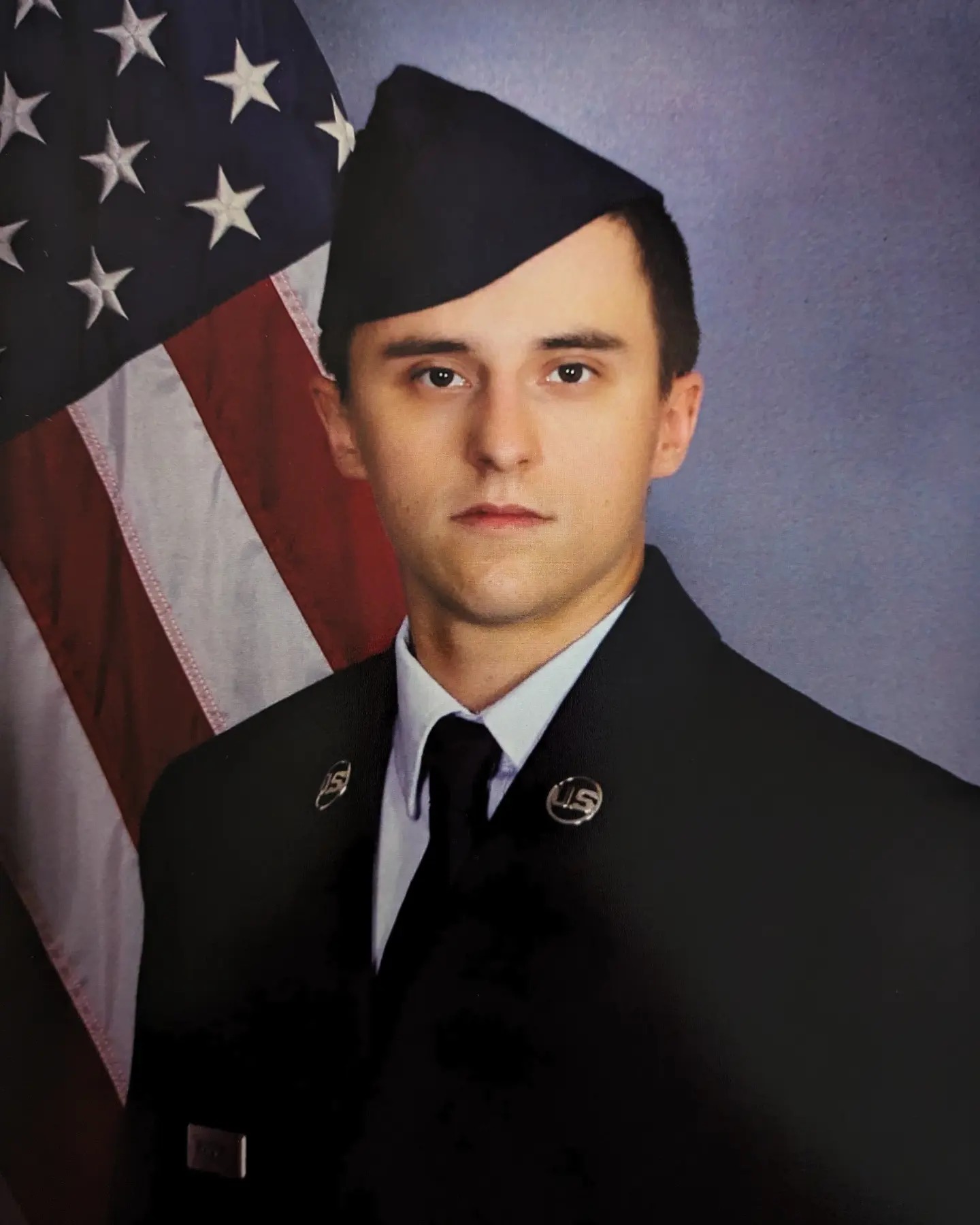
The newest Veteran in our family is our grandson, Ethan Whitaker, who joined the Tennessee Air National Guard. Airman First Class Ethan R. Whitaker is currently in training. We are very proud of Ethan.

Both of Ethan’s grandfathers served in the military.

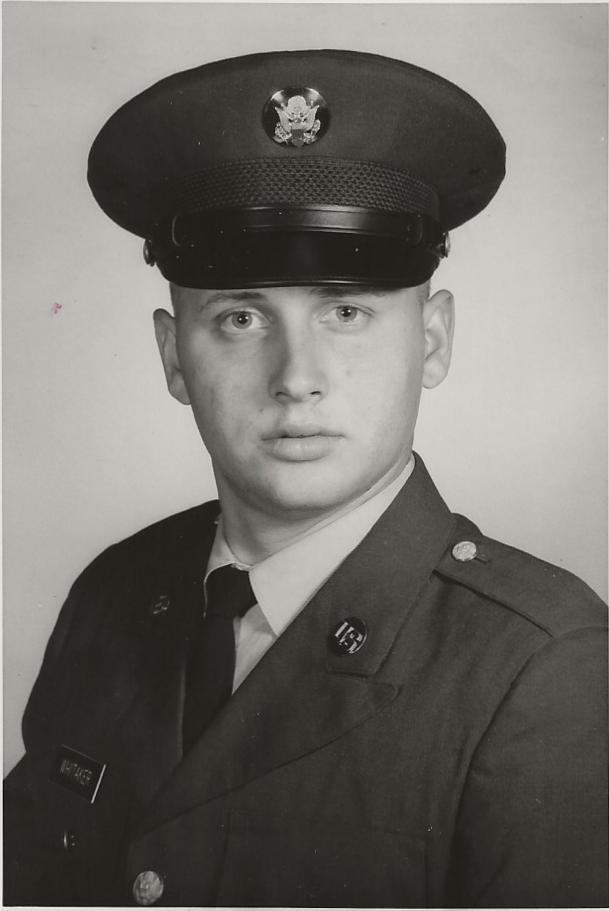
His fraternal grandfather, George Pat Whitaker, served in the Tennessee Army National Guard. Pat’s brother, Dwight Whitaker, also served in the Tennessee Army National Guard, but I don’t have a picture of Dwight.

Ethan’s maternal grandfather, Robert Elam, served in the U.S. Navy.

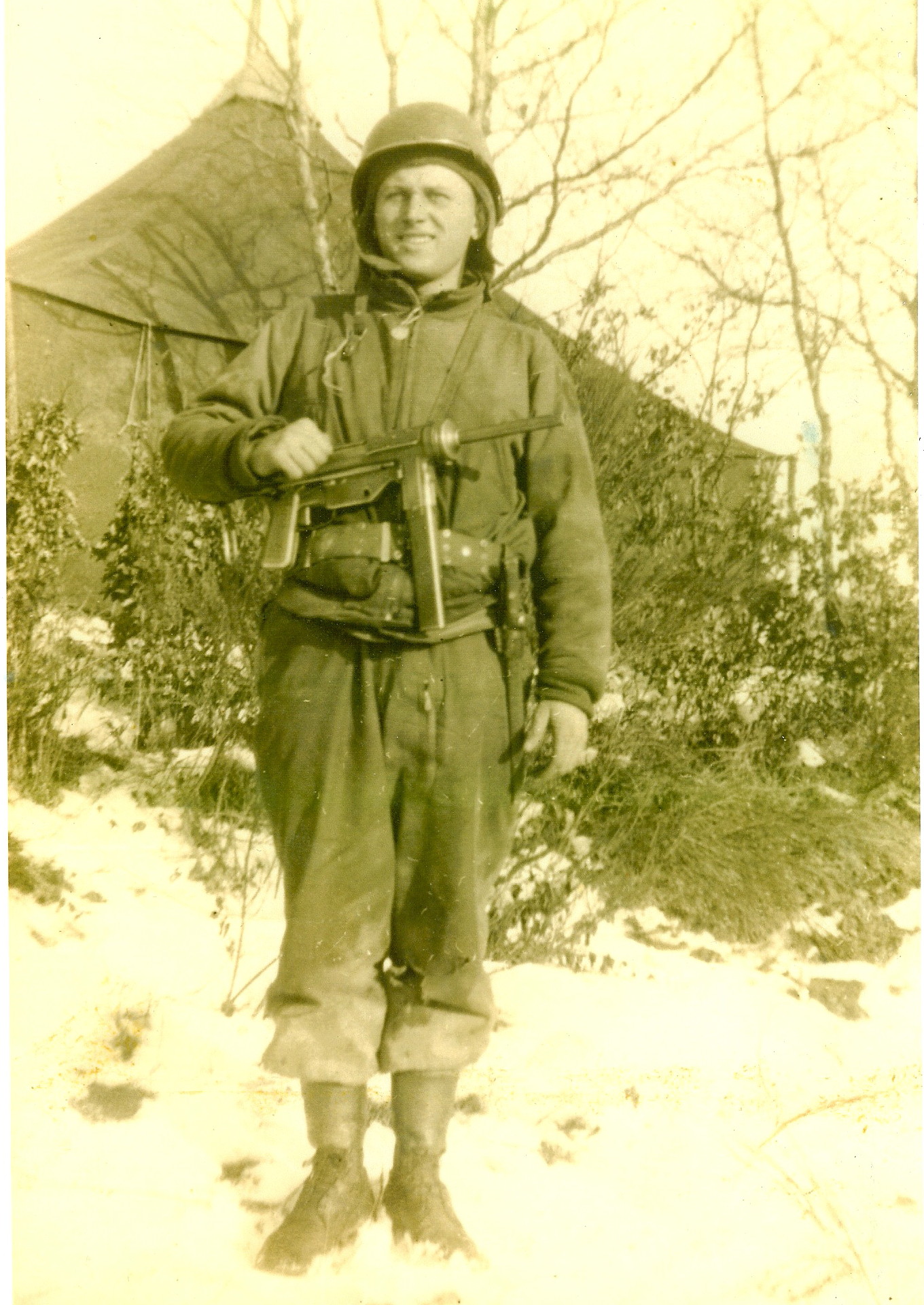
Ethan’s father’s grandfather, Dewey Paul Whitaker, served in the U.S. Army during World War II.

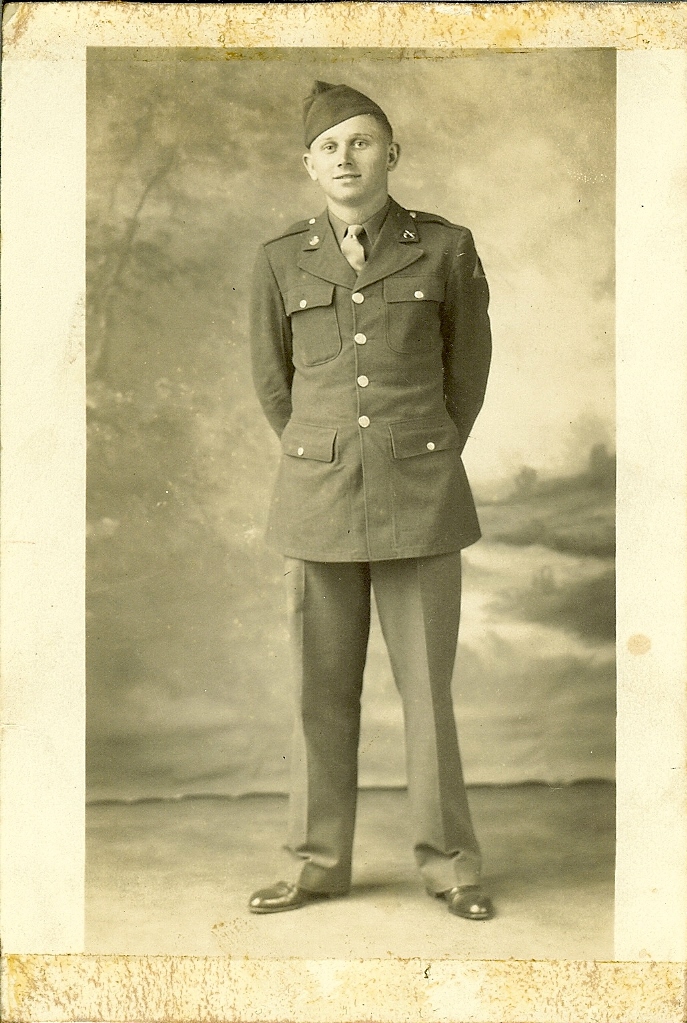
Ethan’s Father’s other grandfather, Vernon R. Knight, also served in the U.S. Army during World War II.

Vernon R. Knight received an award from the American Legion for his service to veterans.

Several other family members served in the military during World War II.

D. T. (Boots) Knight – Served in the U.S. Army

Training may have been fun for a while. Later “Boots” fought in New Guinea and the Philippines.

Roland Roby – Served in the U.S. Army

William R. Boone – Served in the U.S. Army

Eldred Grady Knight – Served in the U.S. Army Air Corps.

John T. Boone – Served in the U.S. Navy. No picture available.

Web Mitchum – Served in the U. S. Army. No picture available.

Relatives who served in the military during World War I.

Malthie Whitaker – Served in the U.S. Army

Most of the Veterans listed here have passed away. Never the less, we will remember their service and their sacrifices on this Veterans Day.

Searching For Our WWII Veterans – Amazing What You Find

Dad’s Gun

I posted this picture in 2011 with an article about the 276th Armored Field Artillery Battalion that my father-in-law, Dewey Paul Whitaker, served in during WWII. This is the gun he served on named “Cry’N Room.” The group of men in the photo are from his battery, but my father-in-law is not in the picture.

The photo we have does not have any names on it so the men have always been unknown.

Recently while researching for information about his father, Donald Rotett found this picture on my website. He recognized the picture and his father, Edwin J. Rottet (front row second from the left). He had the same picture and his copy had the names listed on the back.

“Left to Right Front row: {Lennon or Sernon}, Rottet, Stover, Erly. 2nd row: O’Brien, Swank, Bruce “Hedge row,” Clifford, {Peppers or Geppers}. (one name missing)

Per the roster in the History of the 276th Armored Field Artillery Battalion

Lennon, William F., Pfc., Trfd to Valley Forge Gen Hosp., Phoenixville, Penn. 29 August 1945 – Battery A

Rottet, Edwin J., Sgt., 1342 Leopold St., Jasper, Ind. – Battery A

Stover, Russel J., Sgt., 229 Main St., Olyphant, Penn. – Battery A

Erby, Charles E., Tec 5, Rt. 2, Newport, Tenn. – Battery A

O’Brien, Joseph H., Pfc., 189 Grand Ave., Englewood, N. J. – Battery A

Schwank, Henry V., Pfc., Discharged 10 September 1945. – Battery A

? Arwine, Bruce C., Pfc., Rt. 1, Corryton, Tenn. – Only Bruce listed in Battery A

Clifford, Joseph T., Pfc., Box 72, Stevenson, Conn. – Battery A

Peppers, Henry W., Pfc., Trfd to 177th FA Gp June 1945 – Battery A

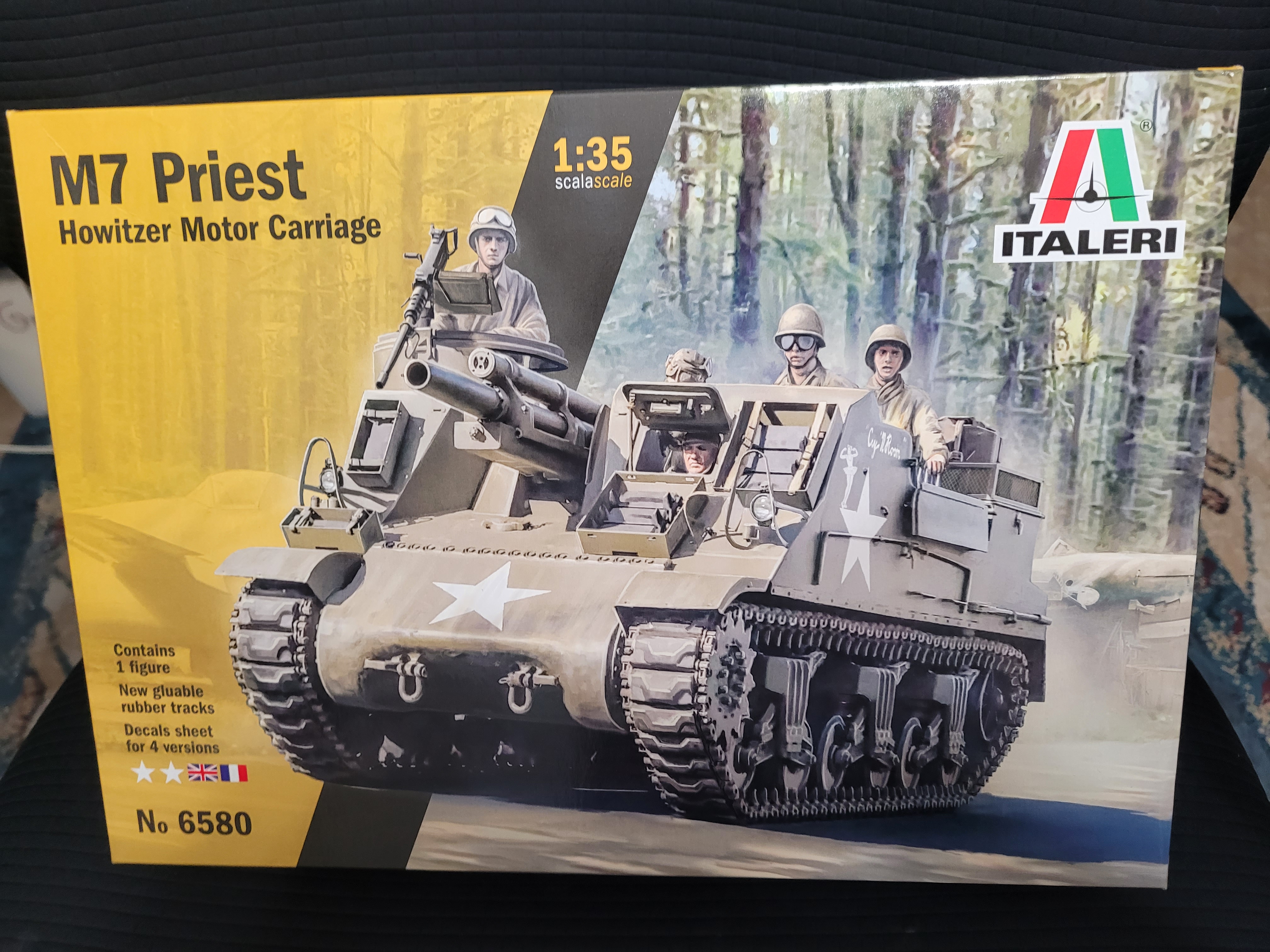
Later, Donald contacted me to tell me about a model kit he found that had “Cry’N Room” as the name of the gun. We went online and found the kit made by a company in Italy. We couldn’t order directly from the overseas company so we searched and found a U.S. distributer. Our grandson is putting it together for us. It will be so cool to have a model of the gun Paul Whitaker served on to display in our home.

The model maker must have Googled the M7 looking for pictures on the internet, because the above picture comes up in the search results. They selected “Cry’N Room” for the decal on the model. We are so grateful they did because it represents memories of our fathers’ service.

Thanks to Donald Rottet for the names of the men in the picture and thanks for the information on the model of the M7 Priest. And thanks to everyone who has contacted me via my website. I appreciate all the questions and comments. I may not be able to help you every time, but I will try to get back to you.

Join me on Facebook at Barbara Whitaker Author

Sign up for my Newsletter

Treatment of the WWII Wounded

Having recently undergone knee replacement surgery, I got to thinking about what the soldiers, sailors and marines who were wounded during WWII went through. The latest technology and medical knowledge insured that my surgery was successful. The same was true of the wounded in WWII.

Thanks to the medical innovations, both in the organization of how the wounded were handled and the medical techniques utilized, survival rates during WWII were much better than in previous wars. Also the survivors enjoyed an improved quality of life.

Let’s walk through what happened to a soldier after being wounded.

Immediately after being wounded, a medic performed first aid. That might include bandages, a tourniquet, sulfa powder and morphine for the pain. Stretcher bearers or fellow soldiers took the wounded man to the nearest aid station just behind the lines. At the aid station patients were examined and separated by severity and type of injury. Seriously wounded were treated and prepared for evacuation to a field hospital. Minor wounds were treated at the aid station.

11th Field Hospital Europe

At the field hospital a team of doctors and nurses performed any necessary surgery. They splinted broken bones, treated burns, open wounds, etc. If called for, they performed amputations. Think of the TV show M.A.S.H. Although the TV show was set in Korea, the concept of a mobile field hospital originated during WWII.

From the field hospital the wounded soldier was transported by ambulance to an evacuation hospital or a general hospital even further back where he would recover or be sent home. If the patient could recover and return to the fight, he was kept in the Theatre of War. Very few wounds required that the soldier be sent back to the states. Depending on the time and place, the wounded soldier might be transported by airplane or by ship.

Wounded Sailors followed a different path. If wounded aboard ship, a corpsman (similar to a medic) would initially treat the wounds. Then the sailor went to sick bay which is the hospital aboard ship. The doctors in sick bay would perform surgery or provide whatever treatment was needed. If the sailor needed to be transported to a hospital, he had to wait until his ship made port. Sometimes, he would be transferred to a hospital ship, if one was nearby. In the Pacific, a hospital ships waited nearby during major battles or invasions such as Iwo Jima. The hospital ships would take the badly wounded back to Hawaii where the Navy had a large hospital complex. In the Atlantic, the more severely wounded went to a hospital on the U.S. eastern seaboard.

USS Hope Naval Hospital Ship

Marines fighting in the Pacific Theatre followed a similar path as the soldiers wounded on land and then were evacuated onto a ship.

These methods of moving the wounded from combat to medical facilities with increasing capabilities insured that the more severely wounded got the treatment they needed in a timely manner. This resulted in fewer deaths and better outcomes.

In my research I have read about some of the innovative medical techniques developed during WWII. One example was the use of plasma. Back in the states the Red Cross collected blood to be used in hospitals and overseas, but transporting it over long distances proved difficult. They developed a technique to extract the plasma from the whole blood and preserve it so that it could be transported overseas and given to the wounded in place of whole blood. This innovation saved many lives. Read about it here.

Surgical techniques, skin graphs, plastic surgery, improved artificial limbs, air transport and much more improved the lives of the surviving wounded.

When I look down at the scar on my knee, I can’t help but wonder how much I am benefiting from the medical lessons learned during WWII.

Life Magazine published a story in 1945 that followed a soldier from the time he was wounded until he reached a hospital in the United States. George Lott Casualty includes incredible photographs. Click this link to read more about this story.

Click here to sign up for my Newsletter.

Memorial Day Tribute to Joaquin Arambula

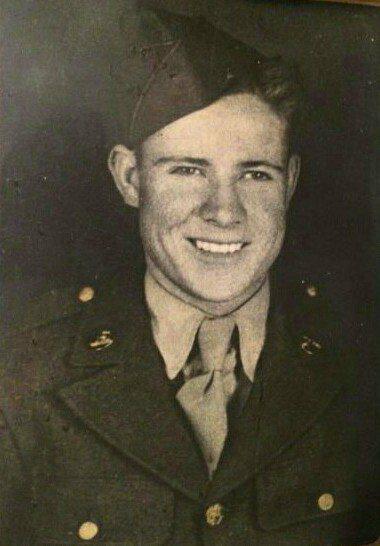
On Memorial Day we remember those who have made the ultimate sacrifice for their country. I recently learned a little more about one of those fallen heroes – Private Joaquin Arambula who died November 29, 1944, in France, at age 19. Joaquin served in the 276th Armored Field Artillery Battalion, the same Battalion as my father-in-law, Dewey Paul Whitaker.

Joaquin Arambula was brought to my attention by Darren Lanier and Tim Lanier, the grandson and son of Jacob J. Lanier who served, along with Arambula, in Battery “B” 276th Armored Field Artillery Battalion. Pvt. Jabob J. Lanier shared stories of his close friend Joaquin whose memory remained with him for the rest of his life.

Jacob Lanier

Jacob J. Lanier told his family of the events surrounding Arambula’s death and how he mourned his friend. The 276th held a position near Freybouse, France, on November 23, 1944, Thanksgiving Day. The Germans began shelling their position and their Lieutenant called to Lanier and Arambula to go up to the road and stop an approaching Army mail truck before it came under fire. Both men ran toward the road. Pvt. Arambula was ahead of Lanier as they ran through some nearby woods when a German artillery shell came in and hit close to the two men, mortally wounding Arambula. He was evacuated to a field hospital where he died a few days later.

Morning report for the day Pvt. Arambula was wounded.

Jacob Lanier felt both guilt for having survived the blast and sorrow for the loss of his friend. In later years, Lanier often thought how close he came to dying that day. The fact that he didn’t run as fast as his buddy not only saved his life but also enabled him to return from the war and have a family, something his friend Joaquin didn’t get to do.

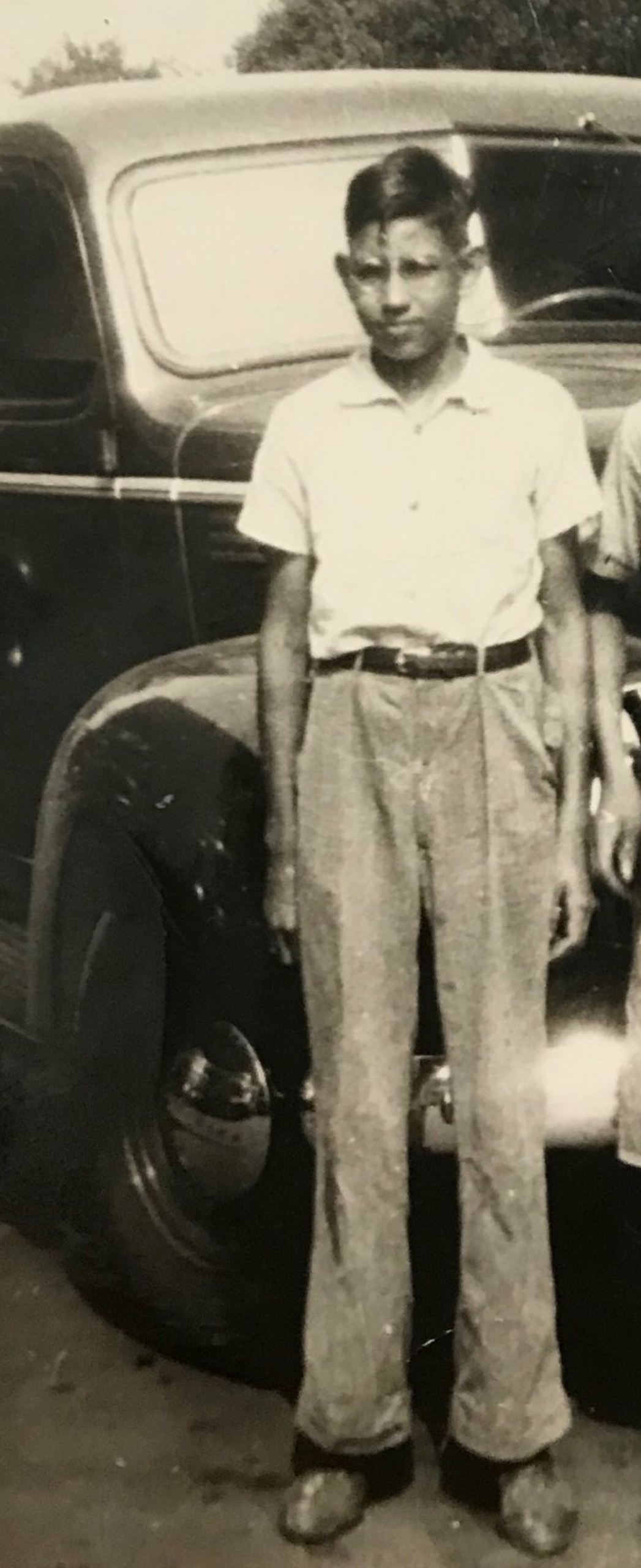
Joaquin when younger

Joaquin before the war

Joaquin Arambula, the son of Frank Arambula, was from Enid, Oklahoma. Since Joaquin could not see very well without his glasses, his family was upset when he was drafted. After training, Pvt. Arambula landed on Utah Beach on August 25, 1944, with the 276th Armored Field Artillery Battalion. They journeyed across France and joined the fight in Eastern France with Patton’s Third Army. The 276th fought valiantly that fall in several engagements, including repulsing the German counter-attack at Landroff, before Pvt. Arambula’s tragic death.

Of the three Arambula brothers who served in World War II, only Joe Arambula came home after serving in Europe where he fought in the Battle of the Bulge. Their other brother, John M. Arambula, died November 16, 1943, age 20, while serving in the 7th Infantry Regiment, 3rd Infantry Division in Italy.

Joaquin’s brother Joe


Pvt. Joaquin Arambula is buried near Saint-Avold, France, in the Lorraine American Cemetery. His brother John is buried in the Sicily-Rome American Cemetery in Nettuno, Italy (Find-a-grave). To locate service members buried overseas or missing you can search on the American Battle Monuments Commission website.

So it is with sadness that we remember these young lives cut short by war. We honor their memory and their sacrifice. And we honor the sacrifice of their family, who lost so much so that we could have the freedom we enjoy today.

Many thanks to Darren Lanier for tracking down the family of Joaquin Arambula and to Joaquin’s family for sharing their pictures and their story.

My World War II romance novel, Kitty’s War, is available on Amazon, ITunes, Barnes & Noble, Kobo and The Wild Rose Press.


ETO in Early October 1944

What was going on in the European Theater of Operations during the first part of October, 1944? Sometimes it’s interesting to look at what was happening in different places at the same time. In early October the European front stretched from the Netherlands/Belgian/German border in the north to the French/German border near Metz further south.

On October 2 the 30th Infantry Division launched a full-scale attack on the Siegfried Line east of Maastricht, The Netherlands. The Germans had retreated from France, Belgium and the southern part of the Netherlands to make a stand at the long string of reinforced pillboxes and tank traps along their western border. Edward Arn, in his book “Arn’s War,” describes the grisly death of his commander, Captain Melvin Riesch, that day during the attack on Rimburg Castle which caused Arn’s elevation to commander of Fox Company, 119th Infantry Regiment. Fox Company, along with the rest of the 30th Infantry division would go on to attack the German City of Aachen from the north flanked by the 29th Division and the 2nd Armored Division. The 1st and 9th Infantry Divisions attacked Aachen from the south. The city surrendered on October 16 , 1944 and was the first major German city to fall to the Allies.

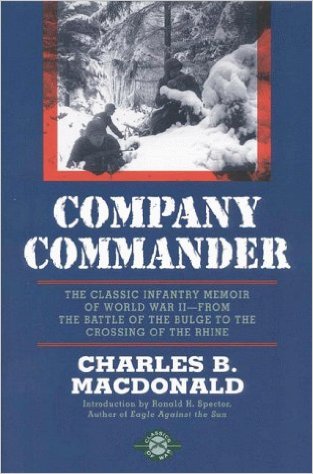
On October 3rd, Lieutenant Charles McDonald crossed the German border and joined his new command, Company I of the 23rd Infantry Division in the Schnee-Eifel forest east of St. Vith, Belgium. McDonald wrote of his baptism by fire during the next few weeks in his classic memoir “Company Commander.” His account of the desperate fighting along that portion of the Siegfried line and his shockingly rapid introduction to life in combat as a Company Commander provides such a vivid picture that you feel you are there with him.

From September 10 through October 15, 1944, the 276th Armored Field Artillery, which included my father-in-law, was supporting the 2nd “Free” French Armored Division. They took positions near the Foret du Parroy, east of Nancy, France, on September 23 and remained in that position until October 15 providing supporting fire for the French Division as well as the nearby 79th Infantry Division. The 4th Armored Division was also in this area near Nancy. All were part of General George Patton’s command.

Back behind the lines, PFC Mollie Weinstein, had settled into her quarters in a hotel in newly-liberated Paris. The WAC provided clerical support for the Army and in her free time explored the famous city. Her memoir, “Mollie’s War,” includes letters she wrote home describing her experiences including meeting GI’s who’d landed on D-Day at a USO provided entertainment event and the plight of civilians in liberated Paris. Although news reports predicted the war would be over by Christmas, Mollie joked that she wouldn’t be home until 1946. The WAC’s instincts were right. It was November, 1945, before Mollie was shipped back to the states.

In early October,1944, the news from Europe sounded good to the folks back home. Paris and most of France had been liberated. The Siegfried Line had been breached and the city of Aachen taken. Although the port of Antwerp had fallen to the Allies in September, fortifications along the estuary leading to the sea blocked the port until November. Supplies were still being unloaded on the Normandy beaches and trucked across France by the Red Ball Express. Shortages slowed the Allies advance as the Germans fought to defend their borders. The war in Europe would go on for another seven months.